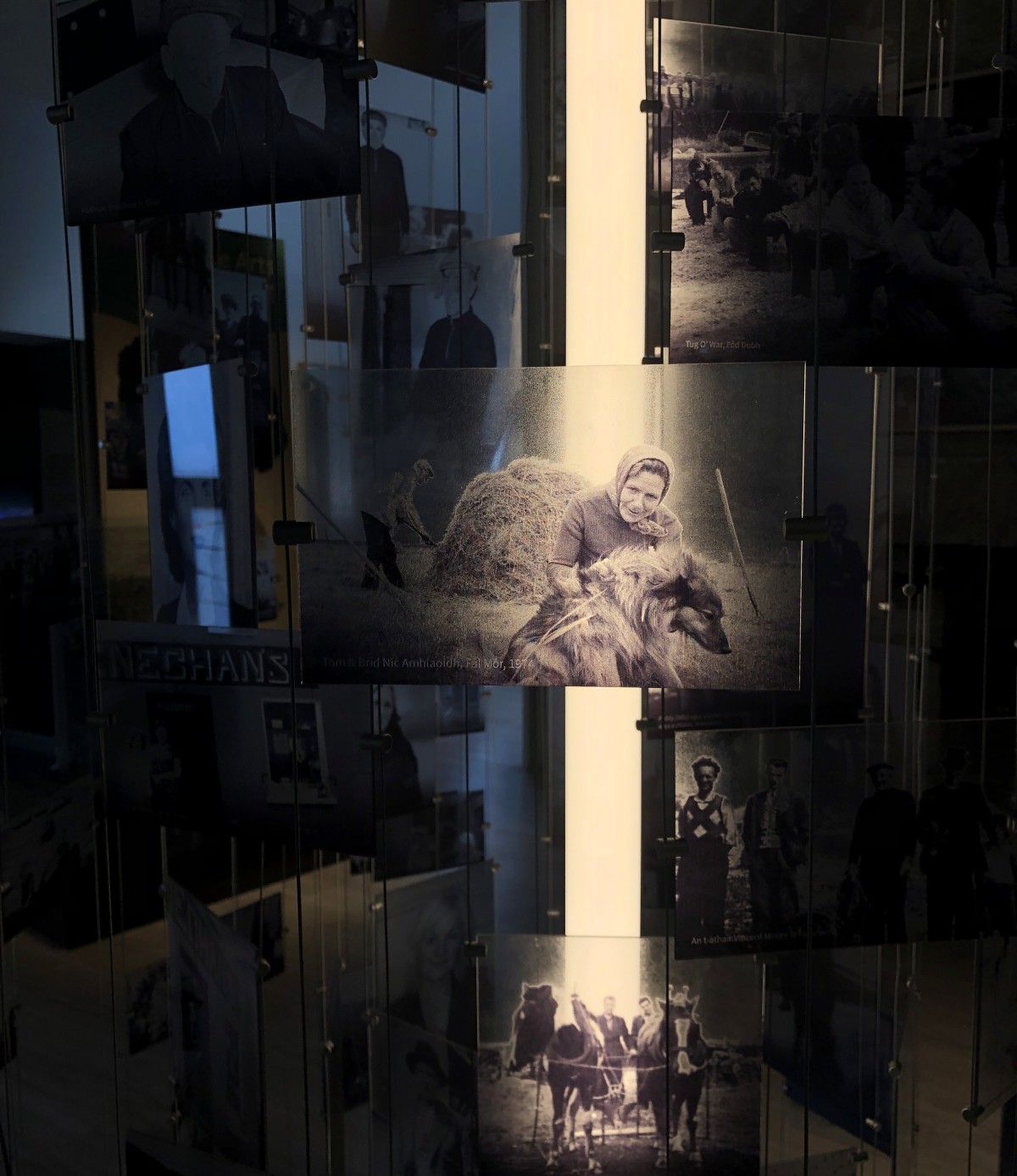


Mayo County Council demonstrates how a public authority can drive rural regeneration through a distributed cultural ecosystem. The exchange with La Finestra Community Hub in March 2026 shows how embedding creativity into policy, community life, and public services, fosters inclusive participation, long-term impact, and strong local community.
By Goethe-Institut BrusselsIn County Mayo, on Ireland’s west coast, the Culture and Creativity Team of Mayo County Council has developed a distinctive model for rural cultural development—one that treats culture not as a standalone sector, but as a core element of regional strategy. Operating across a large and sparsely populated territory, the team works to embed creativity into public policy, community life, and local development.
Mayo’s approach is multi-faceted: arts, heritage, literature, and creative industries are supported across multiple sites and communities, forming what can best be described as a county-wide ecosystem. This model reflects an interdisciplinary approach – where artistic creativity, literature, and language have long supported regeneration and revitalisation, in dialogue with environmental and social innovation.
At its core, the Culture and Creativity Team aims to strengthen community resilience, local identity, and wellbeing through creative engagement. The council’s broader mission to foster cultural vibrancy, social inclusion, and sustainable development, is reflected in the way culture is integrated into everyday life and long-term planning. This is in face of many of the challenges that rural areas typically face, such as geographical isolation and a lack of funding.
Mayo’s cultural infrastructure unfolds across a network of organisations, initiatives, and spaces. This distributed model is particularly important in a rural context characterised by distance and limited infrastructure. As the visiting participant observed, accessibility remains a central challenge, meaning that “the action of cultural centres must be complemented with widespread actions throughout the region.”
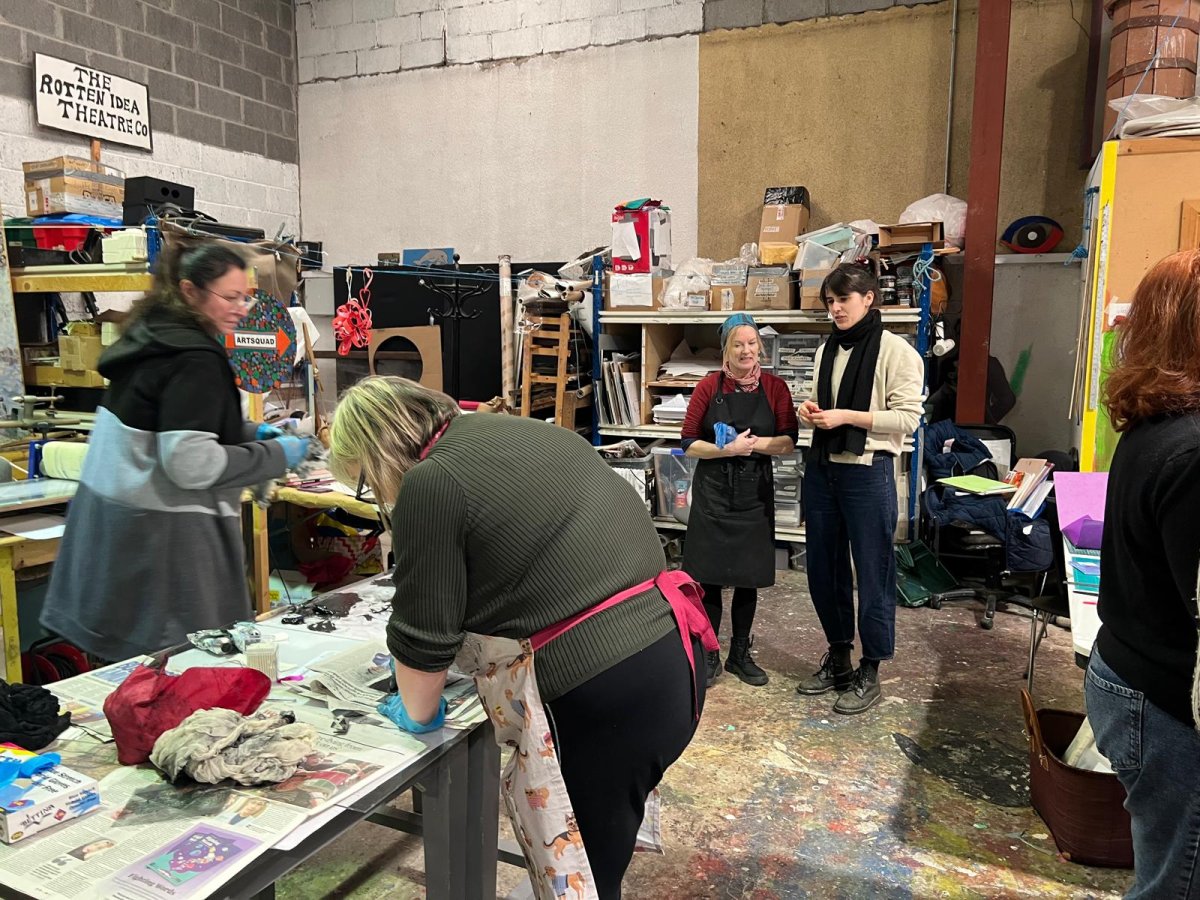
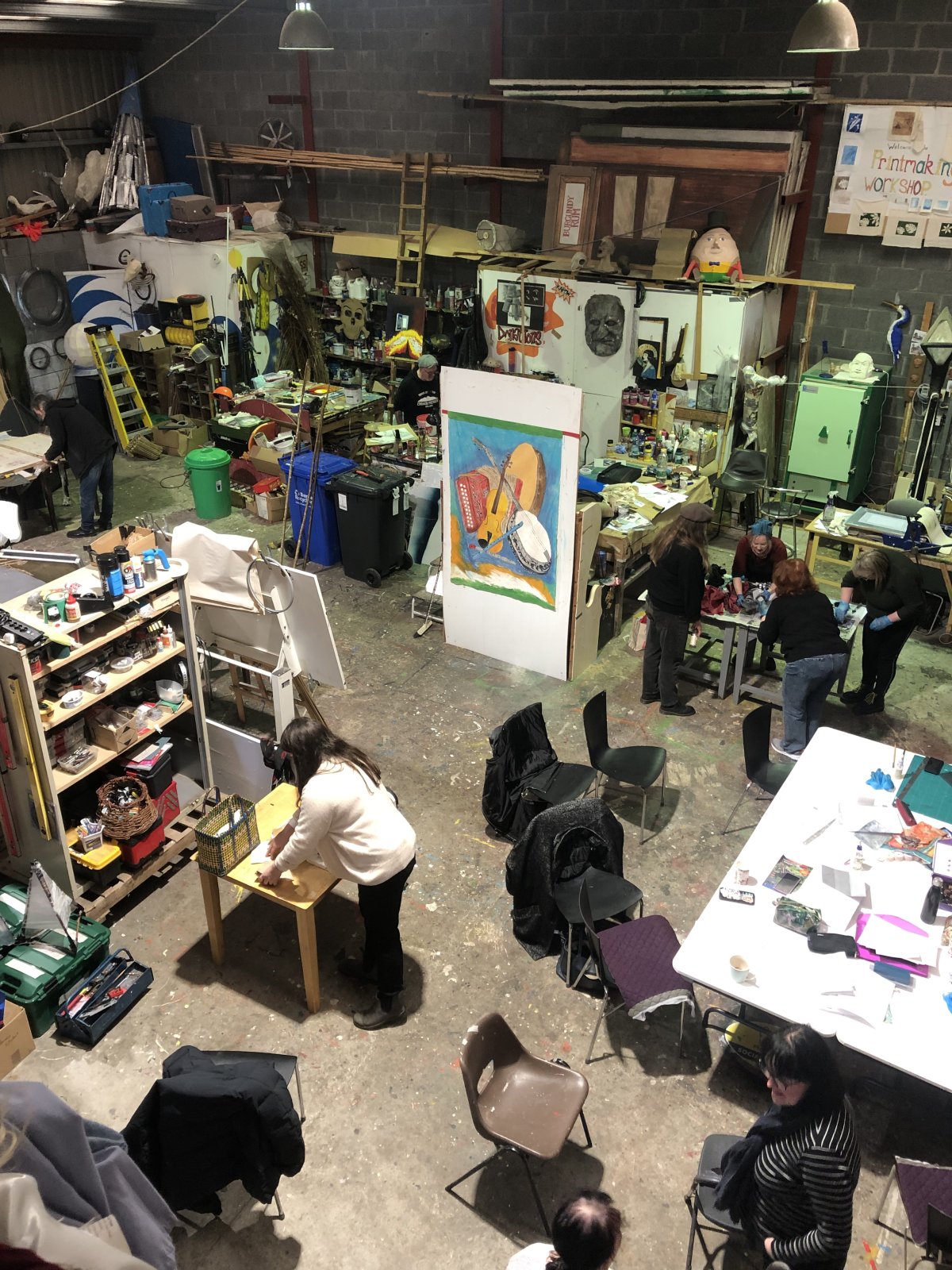
In response, Mayo County Council supports a combination of fixed institutions and mobile, community-driven initiatives. Projects such as Art Squad (an artistic and creative lab where different local associations associations get to create communally) extend activity beyond formal venues, ensuring that participation is possible across the county.
A defining feature of Mayo’s approach is the integration of culture with broader social objectives. Cultural programmes are designed not only to support artists, but to contribute to inclusion, wellbeing, and community development. As the visitor from La Finestra Community Hub noted, the experience revealed how “cultural and social welfare intertwine and impact deeply into people's lives,” highlighting the role of accessible spaces, training programmes, and community initiatives.
Public funding plays a key role in this system. Strategic investment enables projects that might otherwise not emerge in remote areas, supporting individuals, organisations, and networks. As the visitor shared, “creativity and culture are thus present on multiple levels as tools for engagement, social aggregation and cohesion, research and professionalisation”.
Accessibility is a particularly strong dimension. The role of the Arts and Disability Coordinator exemplifies how institutional support can create inclusive cultural environments. This role is part of the UPSTART initiative, which aims to incentivise quality artistic collaborations between groups/ people with disabilities, artists, arts venues and organisations within County Mayo and actively support opportunities for people with disabilities to develop arts projects. For the visitor, this sort of commitment showed how targeted structures can “positively impact communities” and foster more open and responsive cultural practices. As she shared, she was “deeply impressed by how having an institutional role, the Arts and Disability Coordinator positively impacts communities,” highlighting how dedicated positions can foster more inclusive, aware, and engaged local environments.
The exchange between Mayo County Council and La Finestra Community Hub was structured as a multi-site programme, designed to provide a comprehensive understanding of the region’s cultural ecosystem. Each day combined site visits, stakeholder meetings, and discussion with artists, administrators, and community actors. This approach offered insight into both strategic frameworks and everyday practices—how policies translate into lived experience across the county. According to the visitor, this allowed her “to comprehend deeply how culture and creativity can revitalise a rural region thanks to the interaction with a wide variety of both public and private entities, local association and institutions.”
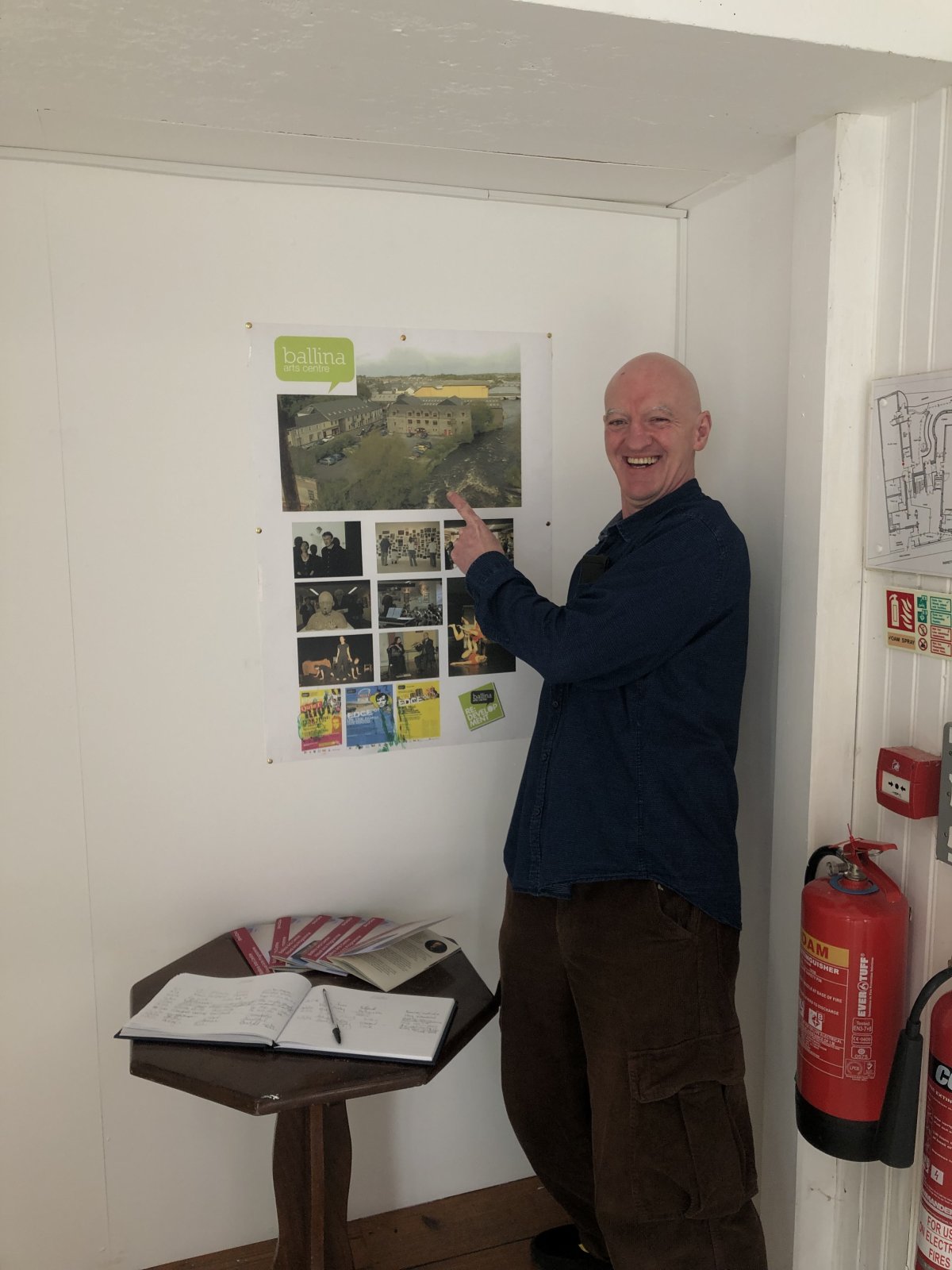
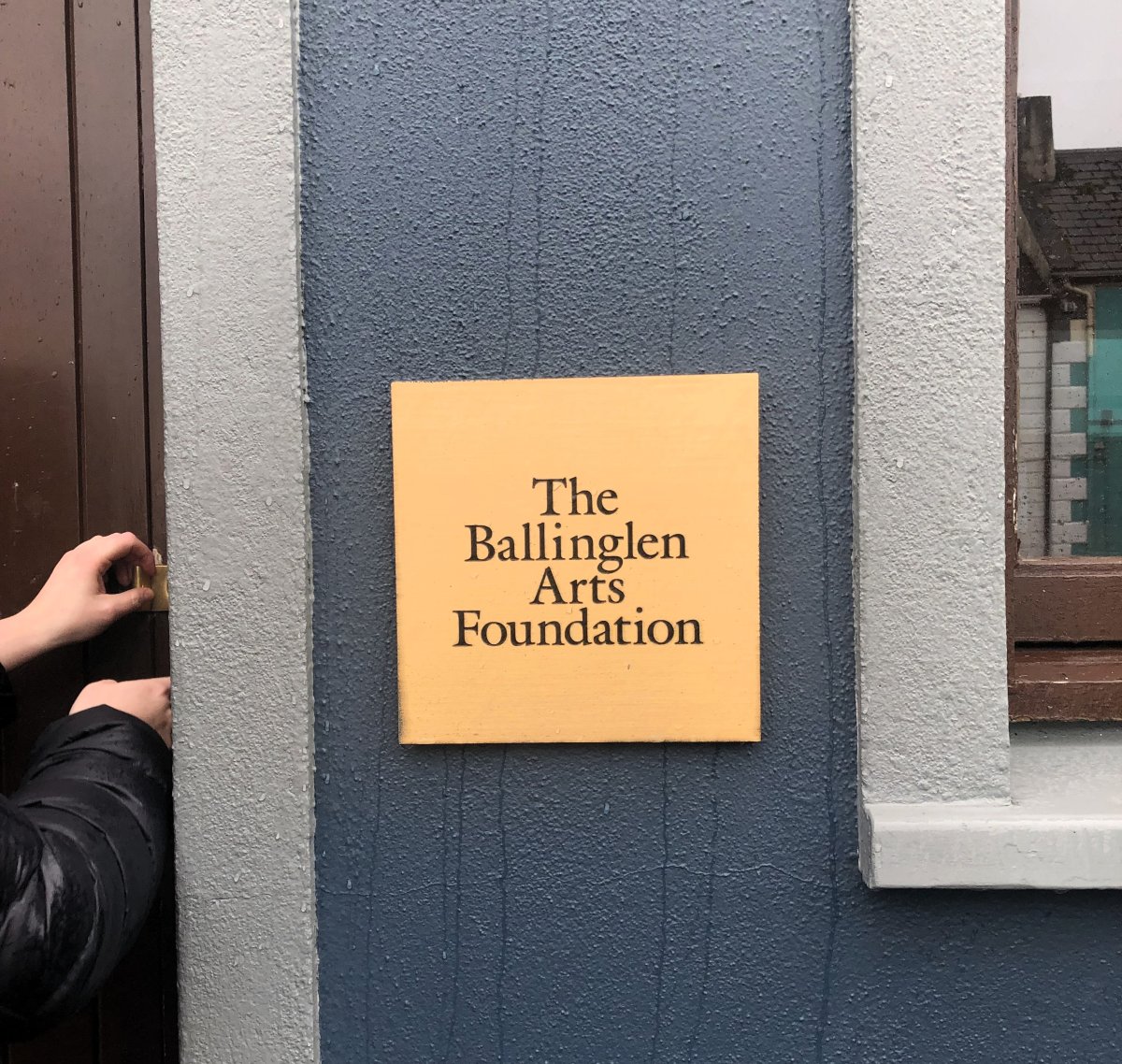
During the exchange, the visitor had the opportunity to experience the county’s model through a series of site visits, including Foxford Woollen Mills, Ballina Arts Centre, Ballinglen Arts Foundation, and Ballycroy National Park. These sites illustrate the diversity of cultural provision in the region—from heritage-based regeneration and craft traditions to contemporary artistic production and nature-based initiatives. Together, they demonstrate how investment in culture can activate both physical spaces and social connections.
The openness of the host organisation shaped the experience. As the visitor reflected, “I always felt welcomed and supported in every step of the exchange,” emphasising the importance of facilitation and trust in peer-learning contexts. For the host team, the exchange also offered space for reflection. It provided an opportunity “to celebrate the work done and the people leading the work” while viewing their activities through a fresh perspective and within a European context.
A central outcome of the exchange was the recognition of shared challenges and approaches across different European rural contexts. “Although Western Ireland and Southern Italy are very different contexts (in many respects: territorial and social structure, climate and biodiversity, institutional relationships), it was interesting to discover how many common themes underpinning cultural and social policies and practices are developed”, the visitor noted.
In particular, community engagement, accessibility, and long-term sustainability emerged as key points of convergence. Observing Mayo’s system provided concrete examples of how these principles can be implemented through coordinated policy and distributed action.
The exchange also highlighted the importance of time and continuity. As the visitor reflected, cultural centres in rural areas “always take longer to come to life,” requiring sustained engagement, experimentation, and a shared vision with local communities. This long-term perspective aligns with Mayo’s broader strategy, which seeks to embed creativity in everyday life rather than deliver isolated projects.
The impact of the exchange is already visible in the visitor’s plans to strengthen accessibility within their own organisation. Inspired by Mayo’s approach, new initiatives will focus on inclusive design, collaboration with disability organisations, and participatory methods in cultural programming. At the same time, the exchange has created a foundation for future collaboration. Both organisations expressed interest in continued engagement, reciprocal visits, and possible participation in European projects.
A key takeaway for the visitor was the role of accessibility as a structural element of cultural work. This insight is already informing concrete steps, such as developing accessible formats and involving people with disabilities in decision-making processes within La Finestra’s activities. For Mayo County Council, hosting the exchange reinforced the strengths of its model while also highlighting areas for further development, particularly in strengthening the intentional social impact of cultural initiatives.
The case of Mayo County Council demonstrates how a public authority can act as a facilitator of cultural ecosystems across a wide territory. By embedding creativity into policy, supporting networks of organisations, and investing in long-term community engagement, it creates the conditions for culture to thrive.
More broadly, the exchange illustrates that rural cultural development is not defined by scale, but by connection. As this case shows, when culture is integrated into public infrastructure, community life, and place-based identity, it can become a powerful driver of cohesion, resilience, and regeneration.
Key Takeaways

Mayo County Council is dedicated to enhancing the quality of life for all residents and making the county a welcoming place to live, work, visit, and invest in. The council envisions Mayo as a county that is prosperous, dynamic, and rooted in heritage, while continuously adapting to new opportunities for growth and innovation. The Culture and Creativity Team is a key pillar within this broader vision. Its role is to embed arts, heritage, and creative industries into Mayo’s development strategy, ensuring that creativity is accessible, inclusive, and impactful. By fostering a thriving cultural ecosystem, the council strengthens community resilience, enhances local identity, and promotes Mayo as a centre for artistic and cultural excellence.
La Finestra (Italian word for window) is the smallest community hub in Italy: an outpost of culture, community building, territory promotion, identity and innovation. The Hub is housed in an ancient tower in the heart of Casertavecchia, the medieval village, UNESCO heritage site, located a few kilometers from Caserta, surrounded by the Tifatini hills. Itinerari Paralleli, together with Mutamenti and the many partners and supporters of the project, are committed to promoting the activities and projects that are held in the tower and throughout the village of Casertavecchia and surroundings.