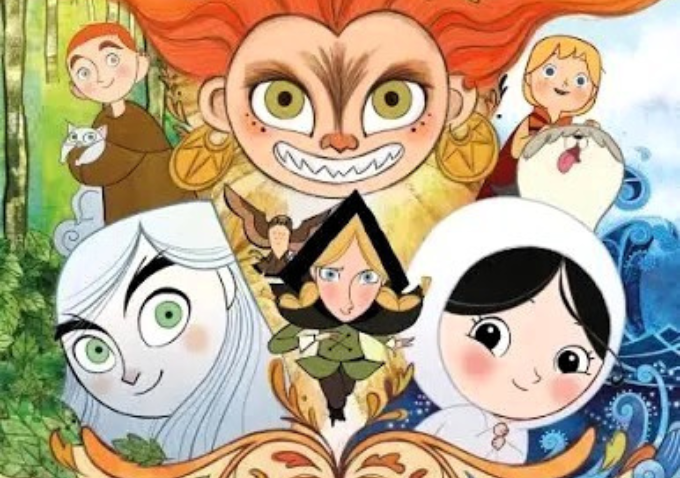




From a student film inspired by Irish folklore to a multi-award-winning global animation studio, Cartoon Saloon has built its success on owning and carefully managing its intellectual property. By combining artistic vision with strategic copyright and licensing, the Irish studio has transformed its stories and characters into a sustainable creative ecosystem that reaches audiences beyond the cinema screen.
In a small studio in Kilkenny, Ireland, a group of young animators once set out to make a short student film inspired by Irish mythology and medieval art. That project, The Secret of Kells, would go on to earn an Oscar nomination and launch one of Europe’s most distinctive animation studios. But the real story of Cartoon Saloon is not only about artistic recognition. It is about how an independent studio chose, from the very beginning, to build its future around owning and carefully managing its intellectual property (IP).
Today, Cartoon Saloon is known worldwide for films and series such as Song of the Sea, Wolfwalkers, The Breadwinner, and the beloved preschool series Puffin Rock. Each of these works carries the studio’s signature: richly stylised hand-drawn animation rooted in folklore, nature, and storytelling traditions. Yet behind the artistic vision lies a deliberate strategy: create original worlds, retain ownership, and grow sustainably by managing those worlds as long-term IP.
The origins of Cartoon Saloon trace back to Ballyfermot College of Further Education in Dublin, where the studio’s founders first began developing The Secret of Kells as a student project. Encouraged to pursue their own artistic voices, the team explored hand-drawn animation influenced by Irish art and mythology. After graduating, they were offered space by Young Irish Filmmakers in Kilkenny, giving them the freedom to continue experimenting with the film’s distinctive visual language.
This early period set the foundation for the studio’s philosophy. Instead of positioning themselves purely as a service animation studio producing work for others, the founders chose a more demanding path: developing their own stories and retaining creative ownership.
As Catherine Keane explains, the studio balanced ambition with pragmatism. “From the beginning, the founders balanced a commitment to their own work with selective contract jobs to keep the studio operational.” This dual approach allowed Cartoon Saloon to finance its original projects while steadily building the skills and partnerships necessary to operate in international markets.
The success of The Secret of Kells proved that this model could work. The Academy Award (Oscar) nomination not only validated the artistic approach but also demonstrated that stories deeply rooted in Irish culture could resonate with audiences worldwide.
From that point forward, Cartoon Saloon continued to develop its own IP, creating a portfolio of films and series that combined artistic integrity with global reach.
Owning original stories is only the first step. Ensuring those stories can travel across borders while remaining under the studio’s control requires a careful combination of IP tools.
For Cartoon Saloon, copyright forms the core of that protection. It safeguards the films themselves, including scripts, character designs, animation, music, and artwork. This allows the studio to license its productions internationally while retaining ownership of the underlying creative work.
At the same time, trademarks play a complementary role. Titles, logos, and character names can function as brand identifiers that protect the reputation and commercial identity of the studio’s creations.
Catherine summarises this model very wisely, “For us, copyright and trademarks work together to maintain control over our stories, characters, and artistic identity as their productions reach international audiences," and adds, “IP helps us in protecting our reputation."
This approach has enabled the studio to share its stories widely without losing control of the worlds it has created.
Over time, the studio recognised that IP could extend far beyond the screen. Characters and visual worlds could also inspire books, games, merchandise, and art products, provided these extensions respected the artistic identity of the original works.
To manage this expansion, Cartoon Saloon established a dedicated division, Cartoon Saloon Brand Development, responsible for licensing partnerships, product collaborations, and direct-to-consumer initiatives.
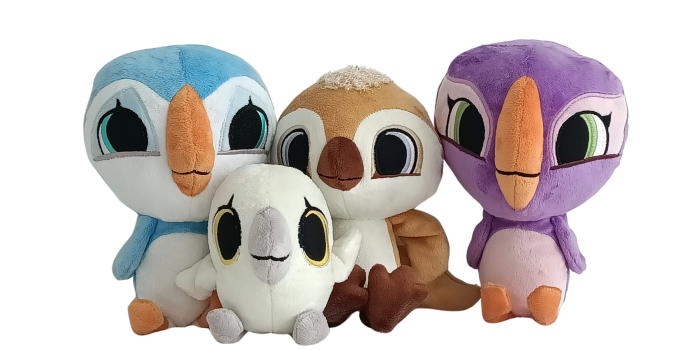
This includes an online art gallery offering limited-edition prints and studio-created artwork, as well as carefully curated merchandise inspired by its productions. Plush toys (seen in the photos) from Puffin Rock have become particularly popular with audiences, demonstrating how beloved characters can evolve into products that deepen the connection between stories and fans.
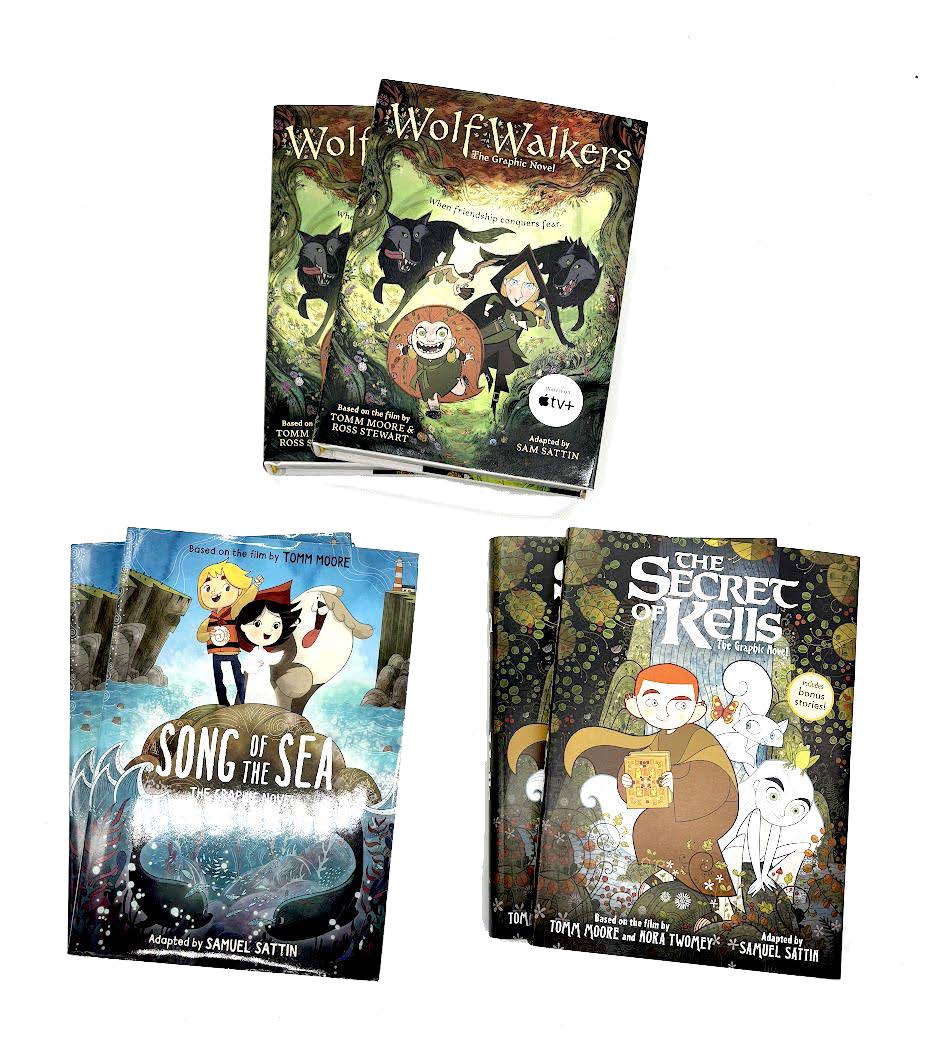
At the same time, the studio has entered selective licensing partnerships across multiple sectors. Collaborations have led to graphic novels, board games, premium stationery collections, and special edition releases of its film catalogue. These initiatives allow the studio’s IP to reach new audiences while maintaining its distinctive artistic identity.
Yet Cartoon Saloon deliberately keeps part of this activity in-house.
“For a studio like Cartoon Saloon, keeping part of IP exploitation in-house is important not only for commercial reasons but also for maintaining creative and ethical values," Catherine explains. Managing certain products internally ensures that merchandise remains faithful to the visual style and storytelling principles of productions such as Song of the Sea and Wolfwalkers. It also allows the studio to prioritise sustainable materials and responsible production methods, aligning merchandise with the environmental themes often present in its stories.
Direct-to-consumer channels, such as the art gallery, also play a strategic role by strengthening the studio’s relationship with audiences. By capturing more value from its IP, Cartoon Saloon can reinvest in new productions while maintaining creative independence.
Turning IP into a sustainable business requires more than creative talent. It also demands careful governance and coordination across different parts of the organisation.
At Cartoon Saloon, the Brand Development team, along with the Legal and Business Affairs team, acts as a bridge between artistic vision and commercial opportunity. In the meantime, the studio owners themselves guide both creative and commercial decisions, overseeing the IP's evolution. This multi-level cooperation is key when managing licensing deals, product design, and merchandising initiatives while ensuring that every collaboration reflects the integrity of the original works.
This integrated governance structure allows Cartoon Saloon to expand its IP ecosystem without compromising the artistic values that define the studio.
For Cartoon Saloon, the journey from a student film to a globally recognised animation studio has demonstrated that IP can be far more than a legal safeguard.
“Our films and TV shows have distinctive stories, characters, and visual worlds," Catherine reflects. Protecting them through copyright, trademarks, and thoughtful licensing allows the studio not only to maintain creative control but also to generate sustainable revenue across international markets.
Support from Ireland’s creative funding ecosystem has also played an important role. Tax incentives, production funding, and national media support have enabled the studio to retain ownership of its productions while continuing to invest in talent and regional creative industries.
Today, Cartoon Saloon’s model demonstrates how independent studios can combine artistic ambition with strategic IP management. By integrating creative direction, legal protection, and commercial development, the studio has transformed its stories into long-term assets that benefit both its business and the wider creative economy. In doing so, it shows that IP is not merely a protective shield. When managed thoughtfully, it becomes a platform for creativity, audience engagement, and sustainable growth.
Key Takeaways
• Treat IP as a strategic asset from day one and protect creative works legally while planning long-term commercial uses.
• Maintain strong creative oversight when licensing or merchandising IP within an integrated in-house IP governance scheme.
• Choose collaborators whose values align with the artistic identity of the work.
• Develop multiple revenue streams while keeping key initiatives in-house.

Catherine Keane – Head of Business & Legal Affairs, Cartoon Saloon
Catherine is Head of Business & Legal Affairs at the Irish animation studio, Cartoon Saloon. She serves as general legal counsel and a member of the executive management team, advising on legal and strategic matters, including co-production, financing, distribution, and intellectual property (IP). Catherine also works as an associate producer on several of the studio’s productions. She is a board member of Animation Ireland and lives in Kilkenny with her family.