


Which transport means do the characters in a movie use? Are they seen with recycled products? MOIN, a regional film funder in Germany, shows how sustainable scriptwriting is feasible. Counting over 150 film productions labelled "green film shooting", MOIN leads by example and stays focused on how to overcome the numerous challenges related to greening the film sector. Read on.
By Sylvia Amann, inforelaisMOIN is a funding institution and intermediary in north of Germany working for more than 15 years on the green transformation of the film sector. MOIN promotes an ecosystemic approach with a whole set of supporting services for the film sector, including consulting and common standards, a green labelling instrument and a green storytelling checklist. However, funding for green storytelling is complex as no thematic interference in scriptwriting is an implementation principle. Greening the film sector is also challenged by higher costs of ecological alternatives and their limited availability. This is MOIN's story.
MOIN (Moving Images North) is the film funding agency of the city of Hamburg and Schleswig-Holstein. The intermediary engages for a positive development of the film and cinema sectors with the support of the city and the region. International cooperation was considerably enhanced in the past years. Due to the geographic position – in the German far North – cooperation with the Nordic countries is of central and growing importance.
Film production is a high-energy consumption sector requiring a wide range of services and materials for the realization of movies, documentaries or TV films. CO2-emissions also concern the distribution of films. MOIN is engaging for the greening of the productions and the services providers involved since 2011. At that time, a German-wide working group for green film shooting was established. As very active member, MOIN co-designed initiatives like the green film production pass or the green filming pass. The later encompasses the whole designing, production and dissemination circles of a film. This value chain approach is crucial in order to achieve substantial CO2 reductions in the film sector.
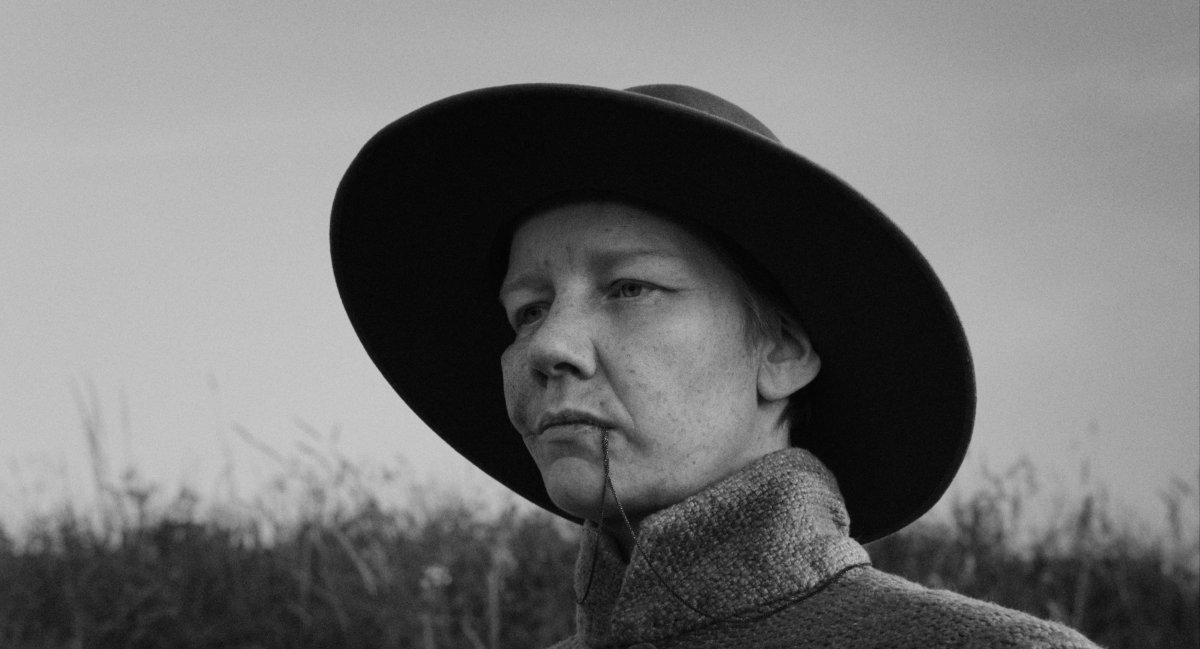 Image from ROSE (c) 2026_Schubert, ROW Pictures, Walker+Worm Film, Gerald Kerkletz - a green production film, film's world premiere in 2026 Berlinale film festival.
Adapting Funding Rules is a Powerful Greening Instrument
Central was the establishment of standards for the film sectors. These standards are fixing CO2 targets and are harmonized for the whole territory of Germany. MOIN is taking into account these standards in the funding rules and project implementation. Project promoters are supported on how to comply with the requirements e. g. by the means of individual and collective consulting by MOIN.
Christiane Scholz, MOIN: “It is always a pleasure to experience how producers and also the MOIN team are proud related to the achievements in view of CO2-reduction or developments towards circular economies. We need to tell more these positive green stories.”
Additional costs generated by complying with the green production standards are eligible for funding. Green labelling of a production has a cost of Euro 700. Therefore, it is not mandatory for film productions in order to get funding from MOIN.
In general, more funding should be available for the green transformation of the film sector. MOIN has benefit of a favorable political framework so far. Furthermore, producers require support in view of finding green alternatives. In some areas, they face limits of availability for example in view of green transport options.
Christiane Scholz, MOIN: “MOIN has demonstrated how green transformation in the film sector is feasible in practice despite considerable technological and funding challenges.”
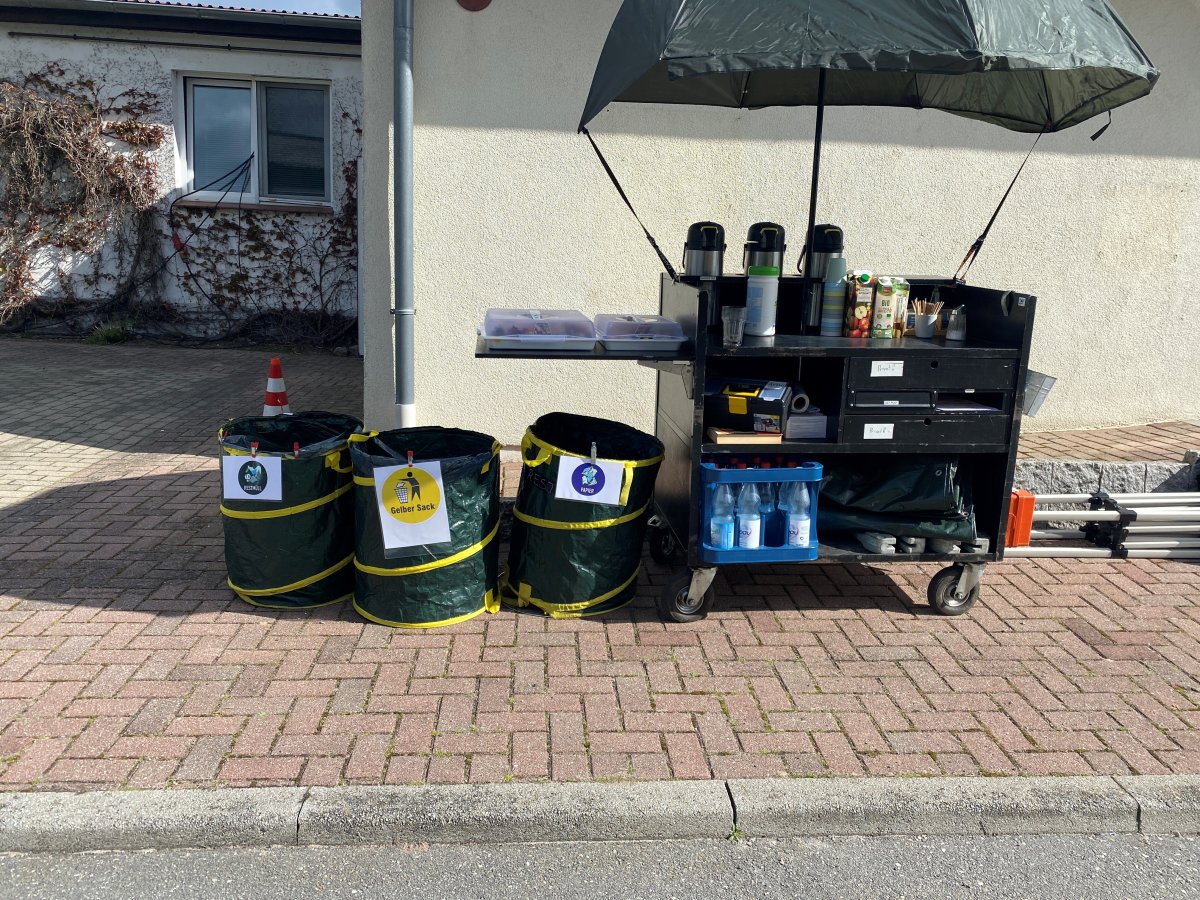 Image - Mülltrennung / waste separation to support green film productions.
Furthering Green Storytelling is a Complex Endeavour for a Funding Agency
Another tool developed and used by MOIN is the green storytelling checklist. It is available in German and English language. The checklist includes an explanation of different green storytelling dimensions and how these link to e. g. scriptwriting. In the context of implicit green storytelling, the checklist refers to the behavior of the characters in a movie: Which transport means do the characters use? Are they seen with recycled products? What do characters eat and what not?
In general, green storytelling is a challenging topic for a funding agency. The principle of non-interference into scripts is a general rule for the funding of MOIN. There are a range of alternatives like training on sustainable scriptwriting.
Christiane Scholz, MOIN: “We need to be more courageous related to green storytelling. The topic should be part of the arts education for example in film universities. Sustainable script writing is feasible.”
In addition, including all participants in the film production value chain in order to help them with the greening of the production is a central area of the work of MOIN. Individual consulting is offered.
A flexible system of “must-criteria” in view of CO2 reduction is based on a well-document standardisation and complemented with so-called “jokers” in order to allow the adaption to a diversity of production frameworks. This approach allows to have CO2 reductions from all film productions which are funded by MOIN.
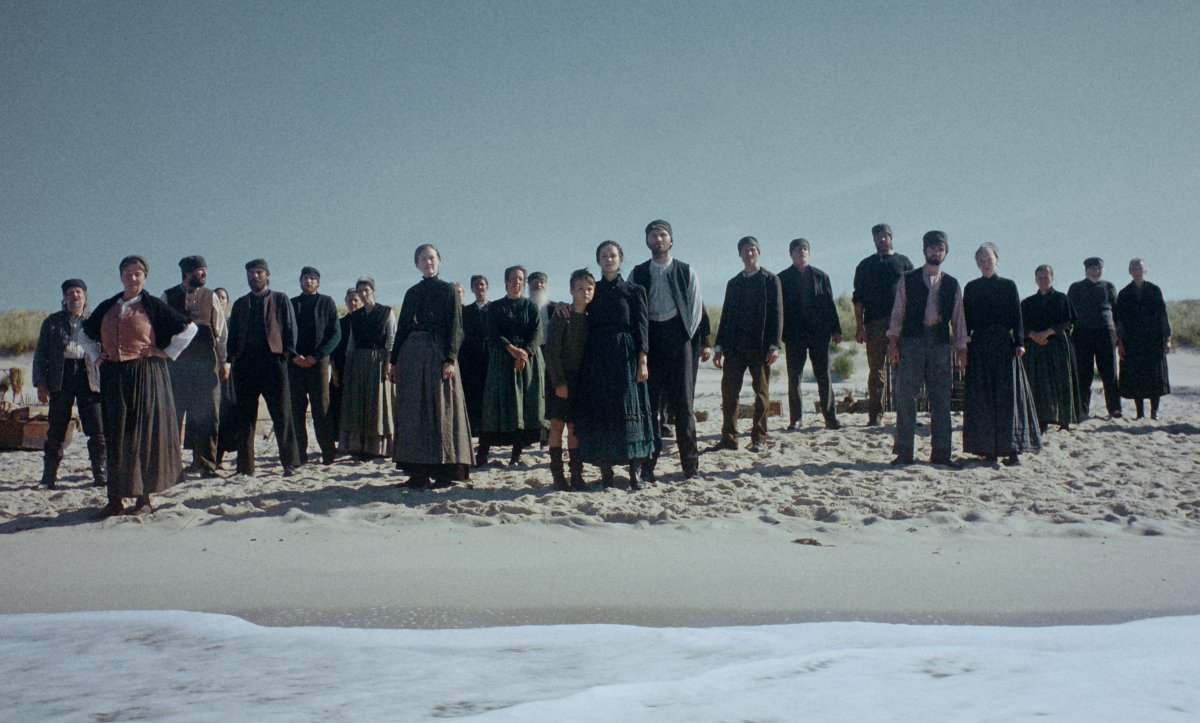 Image from Der Heimatlose (c) Florian Mag, a green production film, film's world premiere in 2026 Berlinale film festival.
Green Transformation based on Sustainability Principles of the Agency
Furthermore, MOIN as an organization aims at leading by example. The whole implementation system of this funding organization is certified. The ecological certification is renewed regularly in order to comply with the highest standards.
As intermediary and funder, the organization works closely with the political level and decisionmakers in the city and the region. In the past years, the whole German film sector had benefited of a substantially favorable political framework for green transformation projects. In addition to the national level context, local politicians have demonstrated profound understanding of the cultural sector and substantially supported MOIN with the greening efforts.
Image at the header from Gelbe Briefe (c) Ella Knorz/if Productions/Alamode Film, a green production film, film's world premiere in 2026 Berlinale film festival.
This Case Study was created under Creative FLIP, an EU co-funded project aimed at further increasing the long-term resilience of the CCSI in key areas such as Finance, Finance, Learning, Working Conditions, Innovation & Intellectual Property Rights.
Key Takeaways

Christiane Scholz, Film Commissioner at MOIN Film Fund Hamburg Schleswig-Holstein
Christiane Scholz is film commissioner at the MOIN Film Funding Hamburg SH since 2001. She is convinced that the future of the film sector can be only function in harmony with ecology and sustainability. She is engaged to promoting clean and resource-saving production ways in accordance with social sustainability.