




This question brought together Kitti Baracsi from Criar Cidade and Giovanni Di Sera from StreetUniverCity Berlin. Their collaboration set out to explore the first steps toward a mobile radio station co-created with young people, an idea inspired by the Street Radio Blaster in Berlin and grounded in ongoing work with communities in Portugal.
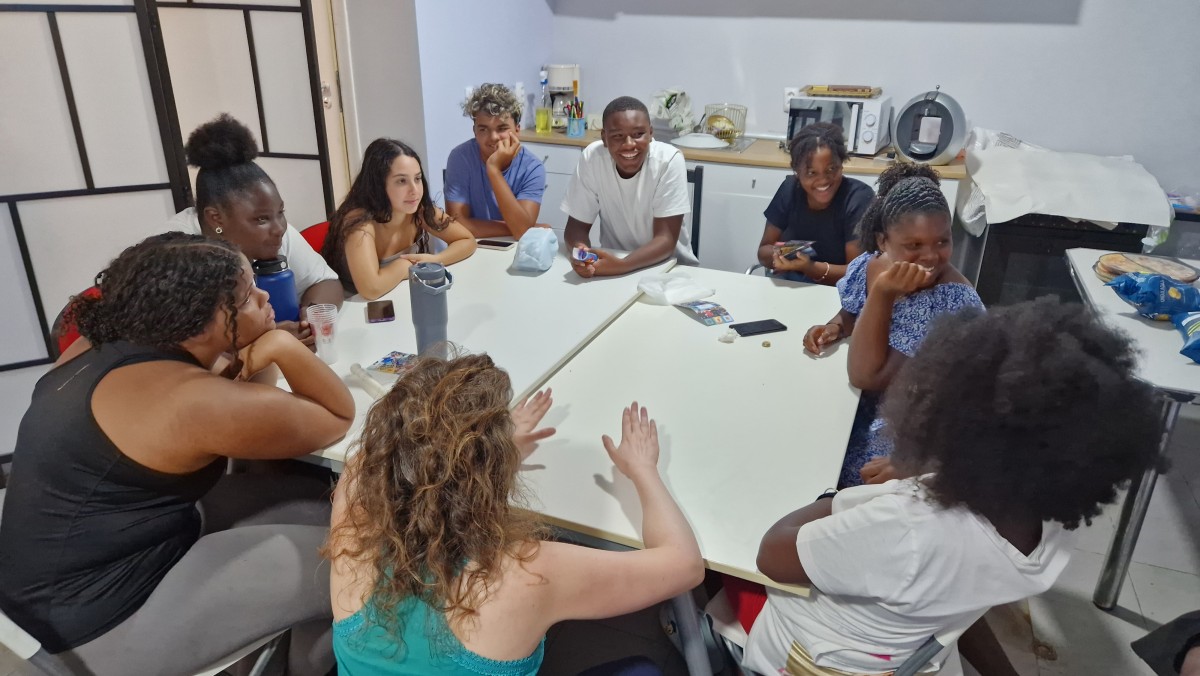
In the neighbourhood of Portugal Novo in Lisbon, and in collaboration with AMPAC Olaias, a group of teenagers gathered for a series of workshops. At first, the concept was distant, something from another city, another context. But slowly, through conversation and experimentation, it became something they could imagine as their own.
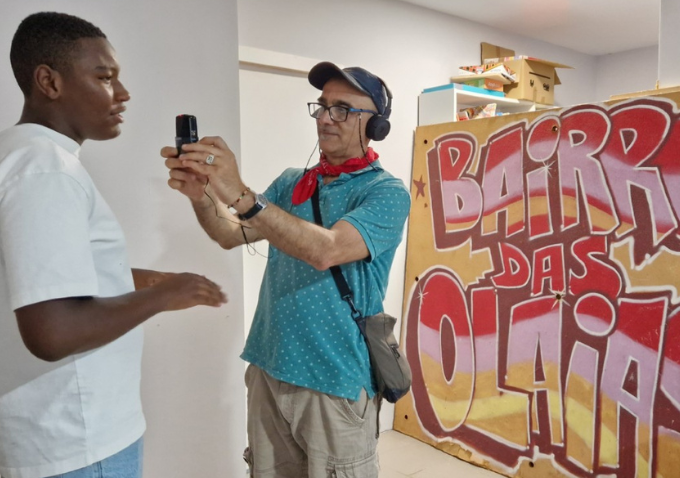
They listened to examples, discussed possibilities, and began designing their ideal version of a street radio blaster. Alongside this, they were introduced to the basics of radio-making: how to record, how to listen, and how to shape a story through sound. The original plan had been to build a simple prototype. But as the process unfolded, that goal shifted.
Logistical changes made the construction of the prototype impossible within the timeframe. Yet something else emerged in its place. The focus turned toward learning, toward building confidence, toward creating the conditions for expression. What could have been seen as a limitation instead became a redirection, one that allowed the group to engage more deeply with the essence of the project.
What the project produced was not a finished object but a set of beginnings. There were workshops, shared moments, early recordings, and drawn ideas of what the street radio blaster could be. There was also something less visible but equally important: the development of skills, trust, and curiosity.
As the sessions progressed, participants moved from hesitation to engagement. The act of recording, of holding a microphone, of being listened to created a different kind of space. A space where conversations could unfold more openly.
Topics emerged that went far beyond the initial brief. The group spoke about gender violence, racism, bullying, and their relationships with their parents. The recording process became more than technical; it became relational.
In this sense, the outcomes both aligned with and diverged from the original plan. The prototype was not built, but the foundation for it was laid more carefully than expected. The team reflects positively on this shift, recognising that focusing on skills and group dynamics was not a compromise but a necessary step.
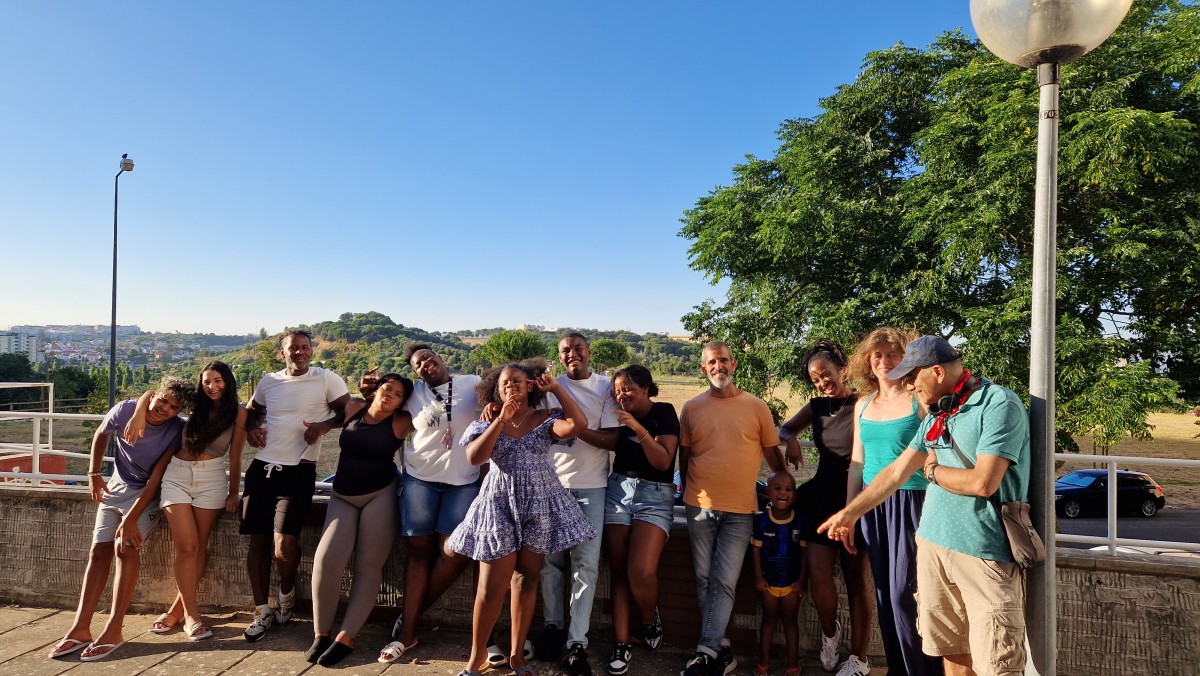
Giovanni brought experience from Berlin, where radio making is used as a tool for engaging young people in urban contexts. Kitti contributed her knowledge of participatory processes and her deep connection to the local community through Criar Cidade’s work. Together, these perspectives created a space where different approaches could meet. Urban research, sound practice, and education were no longer separate fields, but parts of a shared process.
Through this exchange, new ideas began to take shape. Radio-making was no longer just an activity; it became a potential method for addressing urban inequalities, for making experiences visible, and for building collective narratives.
At the same time, the youth group itself became an active part of this collaboration. Their interest in radio making opened up possibilities for continuity, suggesting that this was not a one-off project but the beginning of something ongoing.
The process was not without its challenges. Schedules shifted. Availability changed. Plans had to be rewritten, sometimes at the last minute. Working with young participants meant working within rhythms that are often unpredictable, shaped by school, family, and everyday life.
These constraints made it difficult to follow the original timeline. But they also revealed something important: the initial plan had moved too quickly toward production.
Before building a device, there was a need to build familiarity. To introduce sound recording. To create space for reflection. To allow participants to identify what they wanted to say and why.
This realisation reshaped the project. The imagined street radio blaster became something to grow into rather than something to deliver immediately.
The story of this project does not end with the workshops; it extends forward. There are plans to return to the idea of the street radio blaster and to build it together with the young participants. Giovanni Di Sera and his colleagues from StreetUniverCity Berlin will continue to support this process, sharing technical knowledge and guidance. Initial drawings already exist, waiting to be developed into something tangible.
AMPAC Olaias has expressed interest in hosting and integrating the prototype into future events, ensuring that it remains connected to the local context. At the same time, new connections are forming, including interest from a local bicycle organisation, an unexpected link that opens further possibilities.
Looking further ahead, there is a shared ambition to deepen the collaboration between Lisbon and Berlin. An exchange between youth groups from both cities is being considered, alongside efforts to secure funding that would support this next phase.
What began as a short-term exchange is gradually becoming a longer journey, one shaped by voices, relationships, and the slow building of something collective.
Key Takeaways