



The Valmiermuiža Association of Culture demonstrates how heritage, entrepreneurship, and community collaboration can form a sustainable rural cultural ecosystem. Their exchange with Pazin City Museum showed how partnerships between institutions, businesses, and municipalities enable heritage revitalisation through inspirational and practical approaches.
In Valmiermuiža, Latvia, the Valmiermuiža Association of Culture has developed a distinctive model of rural cultural development—one that connects heritage, entrepreneurship, and community life into a cohesive and living system. Rooted in the historical Valmiermuiža Manor and supported by strong local partnerships, the organisation operates not as a single institution, but as a platform bringing together cultural actors, businesses, and municipalities.
The Valmiermuiža Association of Culture was founded in 2012 in Latvia, with the goal of connecting tourism with the rich cultural heritage of Valmiermuiža in Latvia. In a peripheral region facing many of the issues commonly found in such cases (dwindling population, funding problems), the organisation has been actively working on the area’s regeneration through a holistic model of cultural practice. Through the implementation of multiple projects every year, including music festivals and concerts, traditional celebrations, markets, and other events in collaboration with local networks, the organisation’s work demonstrates a creative approach to sustaining heritage in contemporary contexts.
At the heart of this model is a simple notion: cultural heritage is activated through contemporary practices, while local entrepreneurship—most notably the Valmiermuiža Craft Brewery—plays an active role in sustaining and shaping cultural life. This collaboration demonstrates how cultural initiatives can be embedded in local economies and everyday practices, creating a model that is both resilient and adaptable.
What distinguishes the Association’s approach is the strength of its partnerships. The organisation works closely with the Valmiera municipality, museums, NGOs, and local enterprises, forming a networked structure where each actor contributes to shared cultural objectives. Importantly, this approach extends beyond preservation. It focuses on making heritage meaningful and accessible, integrating both tangible and intangible elements—from architecture and collections to traditions, festivals, and storytelling practices.
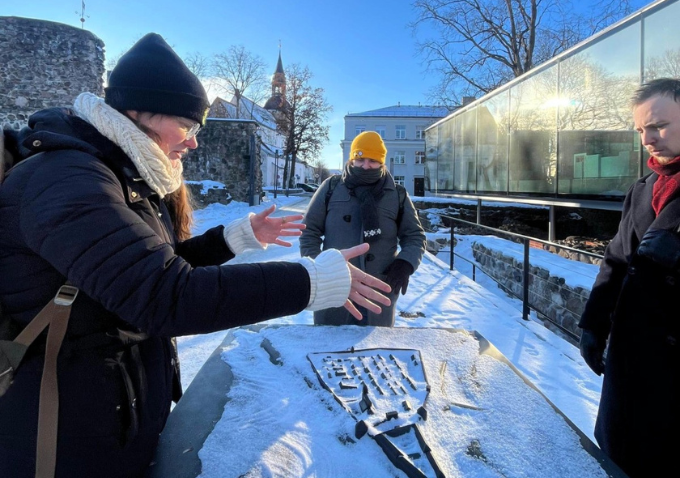
This collaborative model was central to the Ambassadors of Good Practice exchange with Pazin City Museum, a small cultural organisation in Croatia. The programme took place in early February 2026 and was structured as a five-day immersive exchange, combining guided visits, workshops, and reflection sessions. Each day explored a different dimension of the Association’s work, from heritage management and entrepreneurship to sustainability and community engagement. As the visiting participant observed, this learning opportunity provided “a clearer understanding of how cooperation between cultural institutions, the municipality, and NGOs […] can lead to cultural development” and sustainable heritage revitalisation.
The programme showcased the cultural ecosystem of the region through a series of site visits and interesting case studies, including the Valmiera Museum, the Valmiermuiža Historical Centre, and the Valmiera county manor network, an initiative that addresses place-based issues, such as limited employment possibilities in rural areas and lack of opportunities to experience contemporary arts and culture in remote areas. These examples illustrate how heritage sites can be reactivated through coordinated efforts and shared ownership across sectors and contribute to a peripheral region’s regeneration not only culturally, but also socially and financially.
The programme’s design reflects a strong methodological approach. Tools such as a hands-on workshop on setting-up a festival, the “Curatorial Observation Sheets” at each site to record insights on tangible/intangible heritage and sustainability, and "Castle-Manor Comparison Task" to identify parallels between Pazin Castle and Valmiermuiža Manor were part of the planned activities. These encouraged the participants to engage critically with what they observed, while structured reflection sessions enabled the translation of experience into insight. This intentional structure contributed to a deeper level of learning. As the visitor noted, “the diversity of workshops, practice sessions, and case study presentations […] provided a comprehensive and detailed look” not only at the organisation itself but at the broader cultural system of Valmiera.
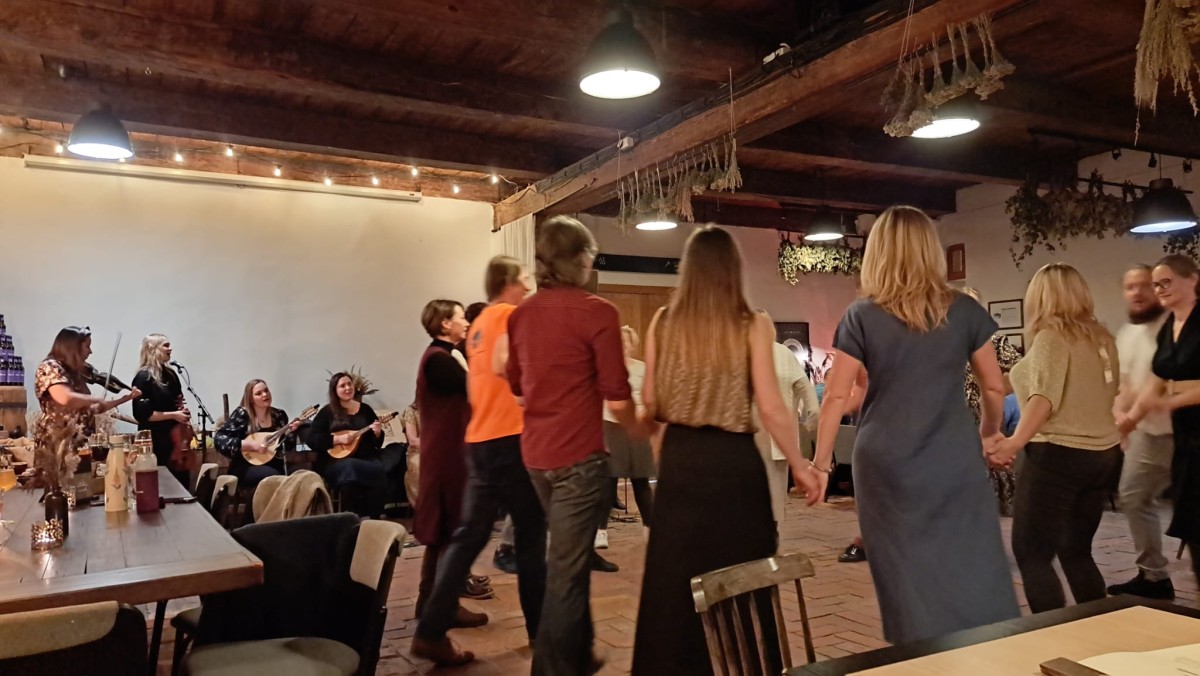
At the same time, informal moments played an equally important role. Despite challenging weather conditions, the hosts ensured continuity and adaptability, creating a warm atmosphere that “fostered more intimate and focused professional conversations,” according to the hosts.
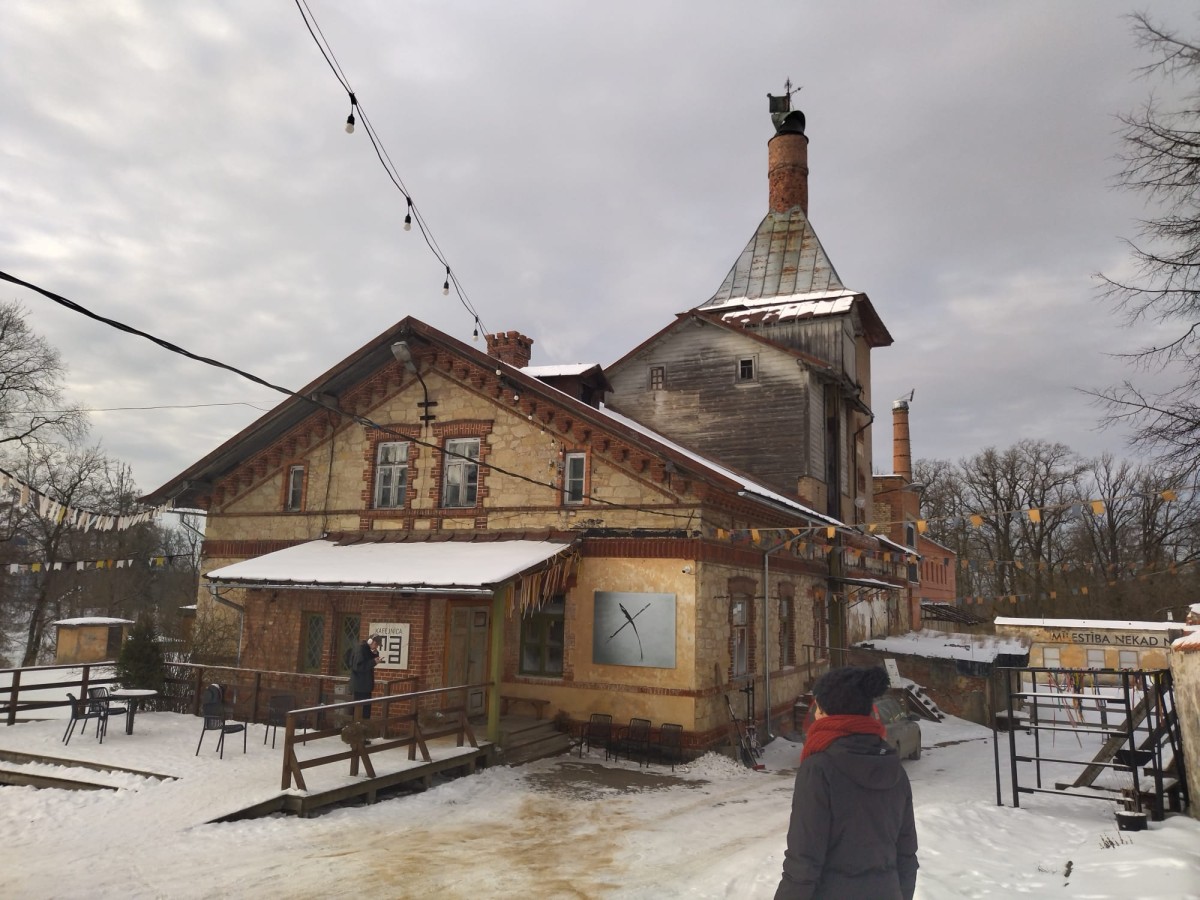
For the visiting organisation, the exchange offered both inspiration and clarity. While differences in governance and local conditions limit direct transferability, the experience provided valuable insights into systemic approaches to cultural development.
As the visitor reflected, it “changed our perspective on how to perhaps implement some of the ideas… into the context of Pazin,” particularly in relation to collaboration, digitalisation, and visitor engagement.
The exchange also reinforced the importance of community involvement. Observing how local populations are integrated into cultural activities highlighted new ways of fostering participation and ownership.
These insights extend beyond individual projects to broader strategies. The manor network, for example, was identified as a potential model for regional heritage revitalisation, offering a “blueprint… for a sustainable way of revitalizing old historical and cultural sites.”
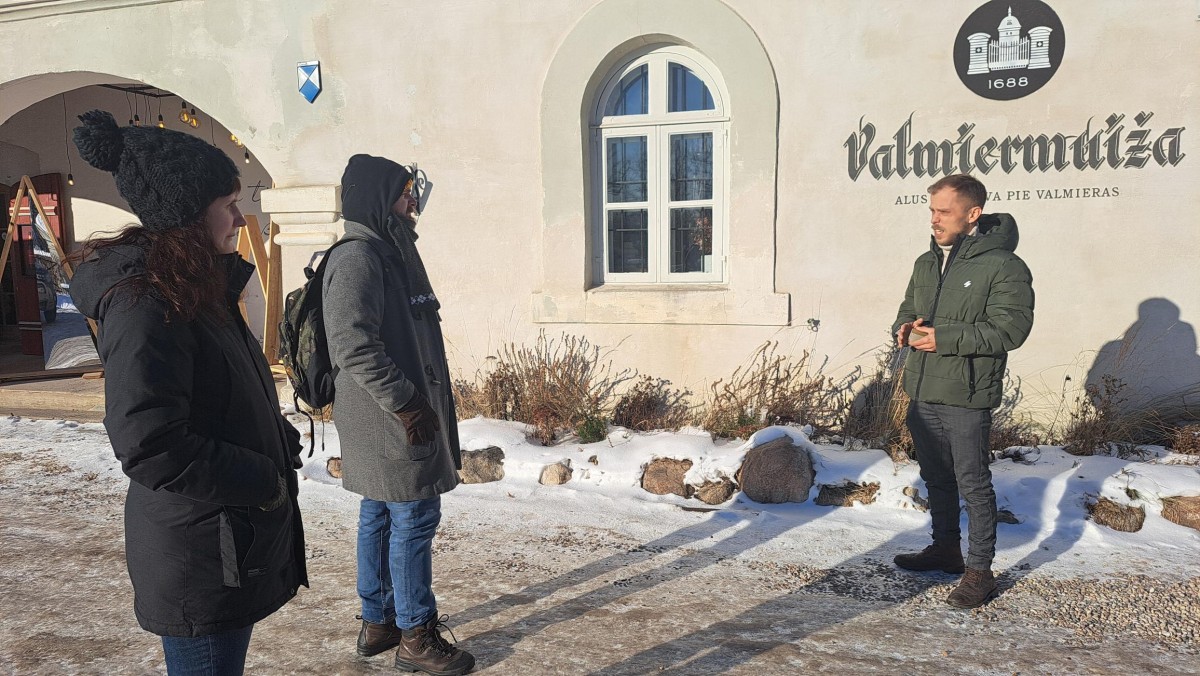
Both organisations see the exchange as the beginning of an ongoing collaboration. Plans include continued dialogue, participation in shared events such as the Ethnomusic Festival, and exploration of future joint projects.
For the Valmiermuiža Association of Culture, hosting the exchange also reinforced internal learning. As one team member reflected, working with an international peer allowed them to “explore the similarities and differences in our cultural practices […] and local government support,” strengthening both confidence and critical reflection. More broadly, the experience highlighted the value of exchange as a tool for both validation and innovation—confirming existing practices while opening new perspectives.
Rural cultural development can succeed through integration, collaboration, and adaptability. Valmiermuiža Association of Culture shows that connecting heritage with entrepreneurship, community engagement, and institutional partnerships can lead to a working model that is both locally rooted and broadly relevant. Their success offers a living example of how culture can function as a connective tissue—linking people, places, and practices into a shared, evolving ecosystem. It is precisely this systemic perspective that makes these practices meaningful and transferable, even across very different rural contexts.
Key Takeaways

Valmiermuiža Association of Culture, founded in 2012, fosters a favourable economic, social, and cultural environment in Valmiermuiža and the Valmiera Municipality. Recognised as a public benefit organisation since 2014, it implements 20–50 cultural projects annually. Its objective is to promote sustainable cultural tourism through regional heritage and creative industries, enhancing the area’s image locally and nationally. Guided by the New European Bauhaus and cultural planning, its mission is to revitalize Valmiermuiža for living, recreation, and business, promoting innovation and sustainability. Signature events include the Ethnomusic Festival, traditional celebrations, markets, concerts, and light installations. It also leads the Valmiera County Manor network.
Pazin City Museum was founded in 1996, when the Cultural and Historical Collection was separated from the holdings of the Ethnographic Museum of Istria. Task of this institution is collection, preservation, presentation, professional and scientific processing and publishing of cultural, historical and artistic heritage of central Istria and gallery activity.