


The exchange at Anykščiai Art Incubator highlights how a rural cultural hub can foster community engagement, creative entrepreneurship, and place-based identity. Through a flexible, participatory programme, the organisation enabled meaningful peer learning with REON, a visiting hub from Greece, strengthening inclusive practices, long-term vision, and future collaboration within a broader European network of rural cultural initiatives.
By Goethe-Institut BrusselsIn the small town of Anykščiai, Lithuania, surrounded by forests, rivers, and protected natural landscapes, the Anykščiai Art Incubator–Art Studio has positioned itself as a key driver of cultural life in the local area. Operating at the intersection of creative entrepreneurship, education, and community engagement, the incubator supports artists while actively contributing to the transformation of the region into a cultural destination.
The Anykščiai Art Incubator art studio is a place that brings art and business together. The hub is a multi-functional space where different artists from the surrounding area have their studios and visitors can learn about their creative processes. Moreover, there is an art shop, where local artisans' creations are available for purchase, actively supporting their work. Educational programmes, concerts, exhibitions and movie screenings are also part of the organisation’s agenda, providing a diverse cultural programme for the local community.
Through all these formats, Anykščiai Art Incubator provides access to tools, knowledge, and networks that are often limited in non-urban settings. Its approach demonstrates how cultural initiatives can both strengthen local identity and connect smaller regions to wider creative ecosystems. As the visiting participant from REON reflected, the experience revealed “how such a non-urban city can be turned into a cultural destination intentionally".
What distinguishes the hub is its ability to balance structured programming with openness and adaptability. Its activities follow a clear framework yet remain responsive to context, participants, and local dynamics. This flexibility, as the host team emphasised, is essential in creating “a more relevant and meaningful exchange".
At the core of the organisation’s approach lies a strong commitment to long-term engagement with its local community. Its cultural programme, business initiatives, and variety of workshops (ranging from working with clay to silk painting) prioritise participation and accessibility to local residents, working across generations and backgrounds to foster meaningful involvement. Rather than focusing solely on production or output, Anykščiai Art Incubator places emphasis on process, relationships, and shared experience.
The surrounding landscape plays a central role in shaping this work. The natural environment of Anykščiai is not simply a backdrop, but a source of inspiration and identity. During the Ambassadors of good practice-exchange, time was dedicated to exploring these surroundings, reinforcing how artistic practice in rural areas often emerges directly from place.
Equally important is the organisation’s human-centred approach in all its activities and creative endeavours. As the host reflected, the exchange highlighted “the potential of small-scale, meaningful interactions to create lasting impact". This focus on gradual, relationship-based development underpins the incubator’s long-term vision.
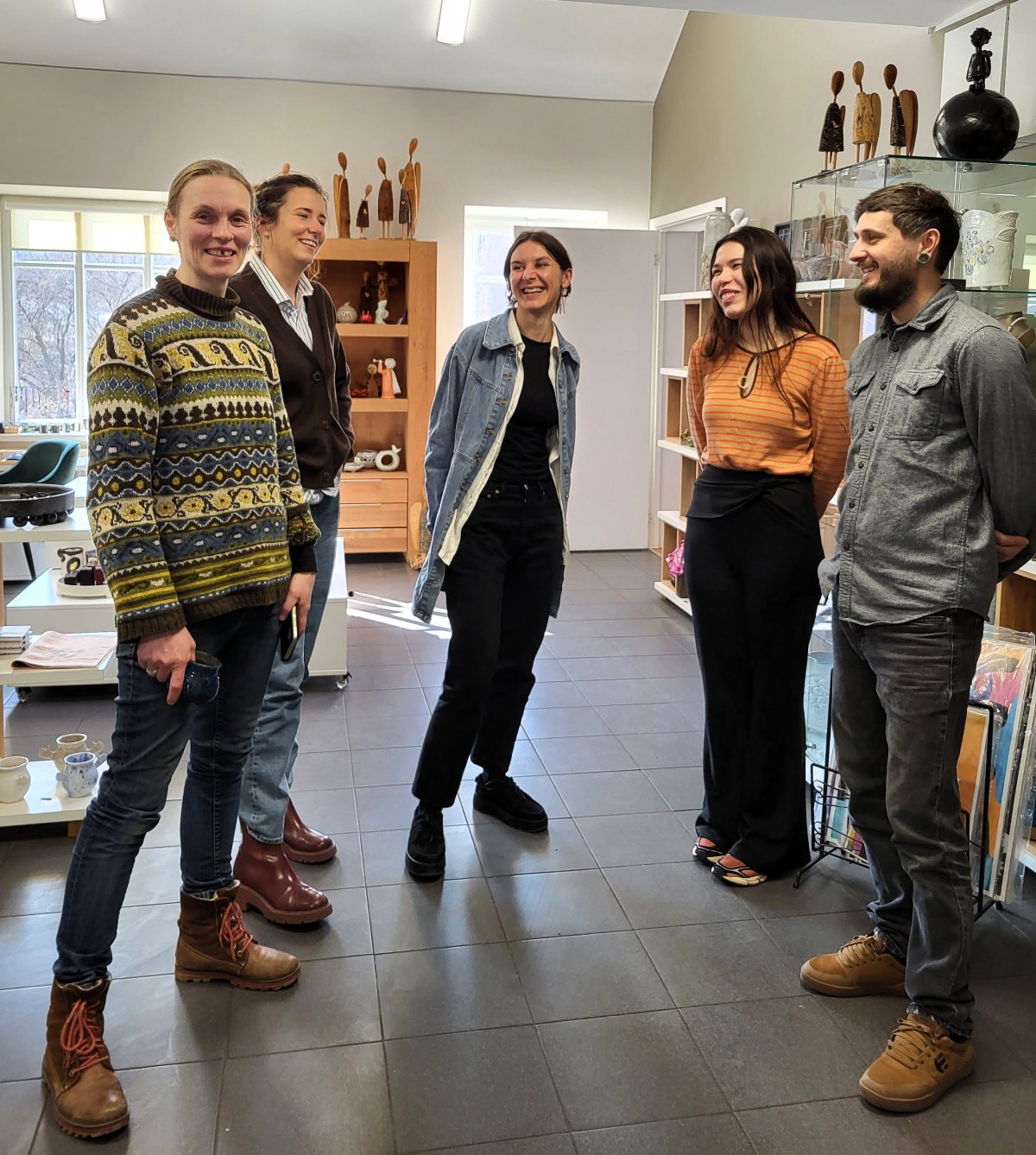
Within this framework, the incubator hosted REON (a space for clay from Greece) for a five-day Ambassadors of Good Practice exchange. The programme combined workshops, presentations, job shadowing, and networking activities, offering insight into both the structure and everyday functioning of the organisation. Some of the activities were a workshop on Adapting Cultural Heritage Buildings for creative use, discussions with local government on cultural policy in peripheral regions, community engagement through art therapy, and reflection walks in nature.
At the same time, the exchange remained flexible. When a national holiday required changes to the initial schedule, the programme shifted to include exploration of local landscapes and cultural context. Rather than limiting the experience, this adaptation deepened participants’ understanding of the place and its rhythms.
This balance between structure and openness shaped a learning environment where knowledge emerged not only through planned activities but also through observation, conversation, and shared experience. Informal moments, mostly around meals and everyday interaction, created space for trust and dialogue. As the host noted, “the human connection, conversations, and shared perspectives were the most valuable part of this process.”
A defining feature of the exchange was its emphasis on understanding not only what an organisation does, but how and why it operates in a specific context. For REON, this perspective shift was central: the experience “encouraged us to reflect more critically on our own context and role by seeing another organisation’s work in process.”
Encounters extended beyond the host, including interactions with local cultural actors and initiatives. These exchanges highlighted how creative ecosystems in rural areas are built through relationships between different organisations, disciplines, and communities.
The visit also prompted reflection on the broader societal role of cultural organisations. As the visitor observed, it raised questions about “how institutions through their initiatives form new facets of a place’s character". In this sense, cultural work was understood not only as artistic production but also as a process that shapes identity, perception, and future development.
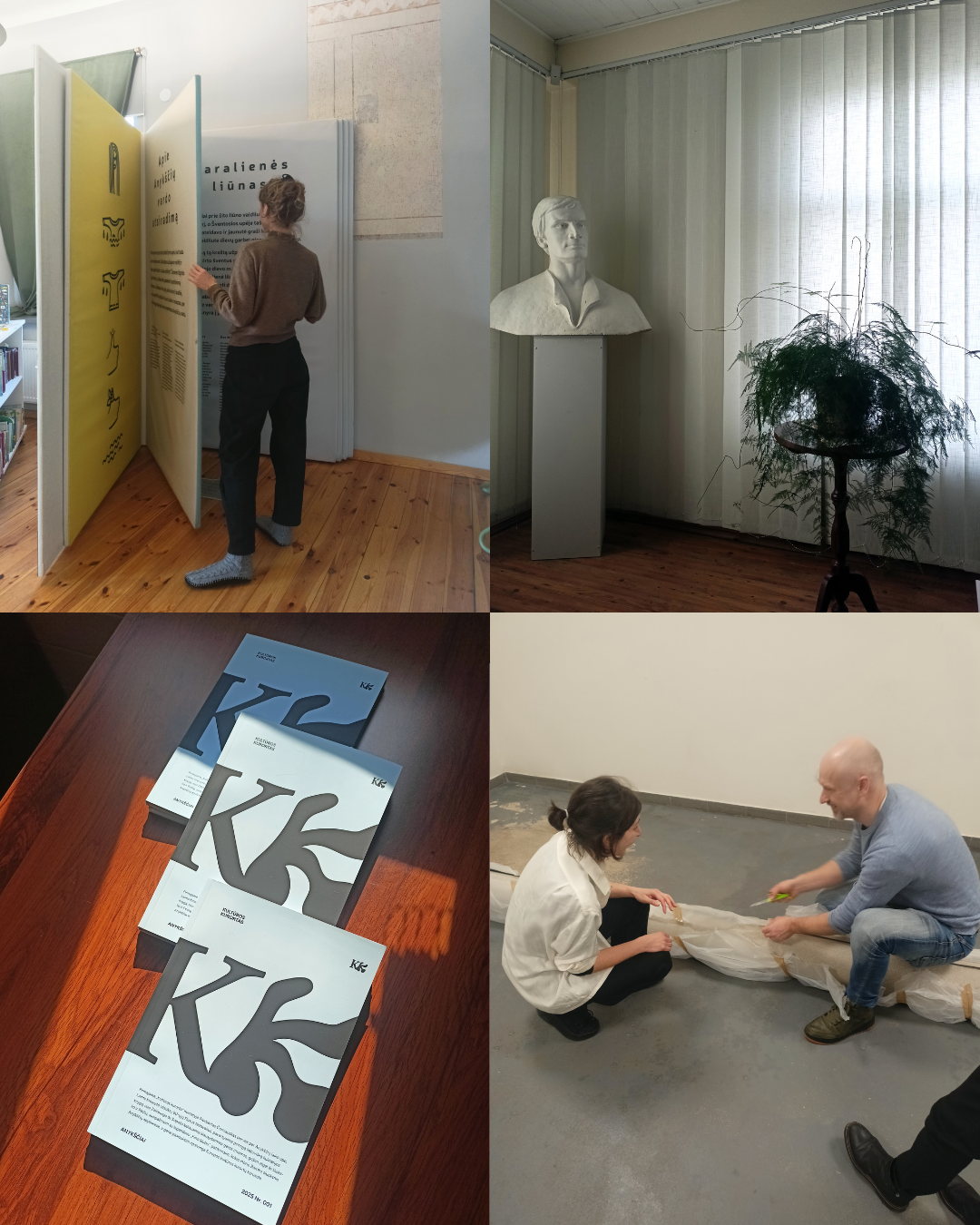
The exchange led to meaningful changes in mindset for both organisations. For the Anykščiai Art Incubator, engaging with REON’s practice—particularly its work with children and community-based initiatives—encouraged reflection on inclusivity and emotional engagement in cultural programming.
At the same time, the visitor gained a deeper understanding of the long-term nature of impact in rural settings. As they reflected, meaningful change is built through “actions, collaborations, and trust-building" and requires adapting to different “seasons” in the life of an initiative. This reinforced the importance of patience, consistency, and long-term commitment.
The exchange also highlighted the need to balance structure with openness and innovation with accessibility—an ongoing challenge for organisations working in non-urban contexts.
Looking ahead, both organisations view the exchange as the beginning of an ongoing relationship. Plans for reciprocal visits, joint projects, and engagement in European networks have already been discussed. For REON, the experience has informed concrete next steps, including strengthening organisational structure, expanding activities, and developing a more cohesive long-term strategy. For the incubator, hosting the exchange offered an opportunity to reflect on and reaffirm its core values, particularly the importance of adaptability, inclusivity, and community engagement. A follow-up visit of the host to Corfu is part of ongoing plans to continue the exchange.
More broadly, the case highlights how rural cultural initiatives can act as catalysts for both local development and transnational connection. By combining strong local roots with openness to exchange, the Anykščiai Art Incubator demonstrates how small-scale practices can generate lasting impact.
As the visitor noted, the experience was not only about exchanging methods, but about repositioning their own work within a wider context. Ultimately, the exchange underlines that sustainable cultural development in rural areas is built through relationships, adaptability, and continuity—where knowledge emerges not only from formal structures, but from shared experience.
Key Takeaways

The Anykščiai Art Incubator - Art Studio is a cultural hub where art, business, and community meet. Located in a heritage building, it hosts 18 resident artists working across various disciplines, offering workshops, exhibitions, and events. Founded in 2008 and fully active since 2014, the incubator fosters creative entrepreneurship and collaboration. It provides space for events and supports experimentation in arts, crafts, and technology. Through national and international projects, it strengthens ties between artists and the local community, aiming to grow creative industries and inspire a new generation of artists.
REON is an independent initiative founded in 2020 in Porta, a mountainous village near the Erimitis ecosystem in northeast Corfu. Its mission is to transform an abandoned school, closed for over 25 years, into a contemporary centre for ceramic arts, research, and education. Through community workshops for children and adults, REON addresses both artistic and social needs in a context where access to the arts is limited. In 2022, it launched its artist residency programme—the only one of its kind in Corfu—fostering exchange between artists, researchers, the local community, and the natural environment. By revitalising an unused space into a vibrant cultural hub, REON explores how small, independent initiatives can contribute to rural regeneration while connecting peripheral regions to international creative networks.