

Maajaam proves that a rural cultural organisation can connect art, technology, ecology, and community life through a deeply place-based approach. In their exchange with La Rivoluzione delle Seppie, which highlighted artistic experimentation, environmental awareness, and local partnerships, the Estonian hub demonstrated how small-scale initiatives can generate significant cultural impact while remaining rooted in their territory.
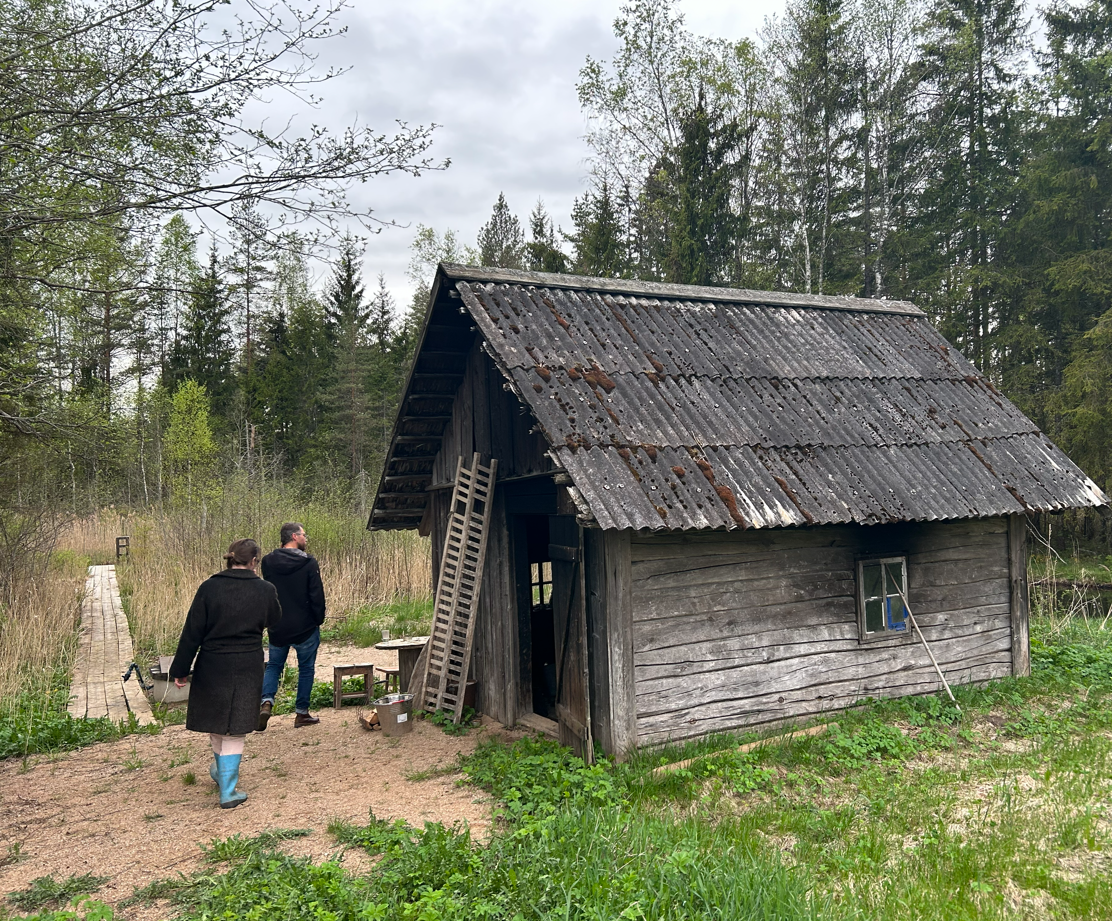
By Goethe-Institut BrusselsIn rural Estonia, a unique cultural initiative operates at the intersection of art, technology, ecology, and rural life. Situated in a former farm setting and shaped by strong local connections, Maajaam has become an international platform for artistic experimentation while remaining deeply connected to its surrounding landscape and community. Through residencies, research, exhibitions, and collaborative projects, it demonstrates how innovation can emerge from place-based practice.
Maajaam’s work is rooted in the belief that technological experimentation should not be detached from local realities. Instead, artists, researchers, residents, and environmental practitioners are brought together to explore how contemporary technologies can engage with ecological systems, agricultural knowledge, and rural futures. This interdisciplinary approach has become a defining feature of the organisation and an important reason for its growing international reputation.
In Maajaam’s practice multiple fields form an ecosystem. Artistic practice, technological research, environmental awareness, and everyday rural activities are treated as interconnected rather than separate domains. Local partnerships play a central role in this model. Collaboration with neighbouring initiatives such as the Ponimaa horse farm, an initiative designed to bring participants in contact with nature through horse-riding, showcases how cultural activity develops through relationships with local actors rather than independent institutional structures.
Another big part of the hub’s activities is the Wild Bits trail, an outdoor exhibition featuring artworks from outstanding names of technological art and emerging artists that merges technology with nature. Since its pilot edition in 2018, Wild Bits has grown: the first large-scale exhibition took place in 2024 as part of European Capital of Culture Tartu 2024, followed by satellite editions in Kaunas, Lithuania (2022) and Savvala, Latvia (2023). The programme is set to return in the summer of 2027.
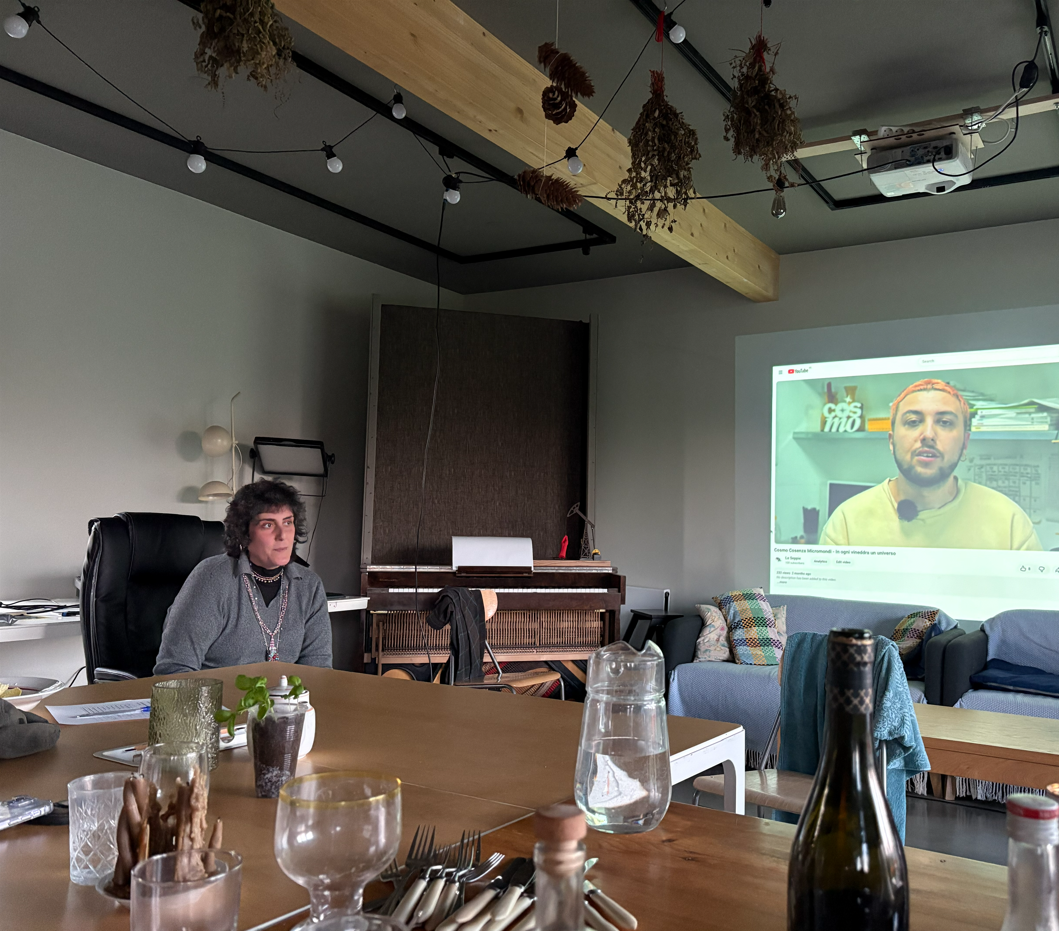
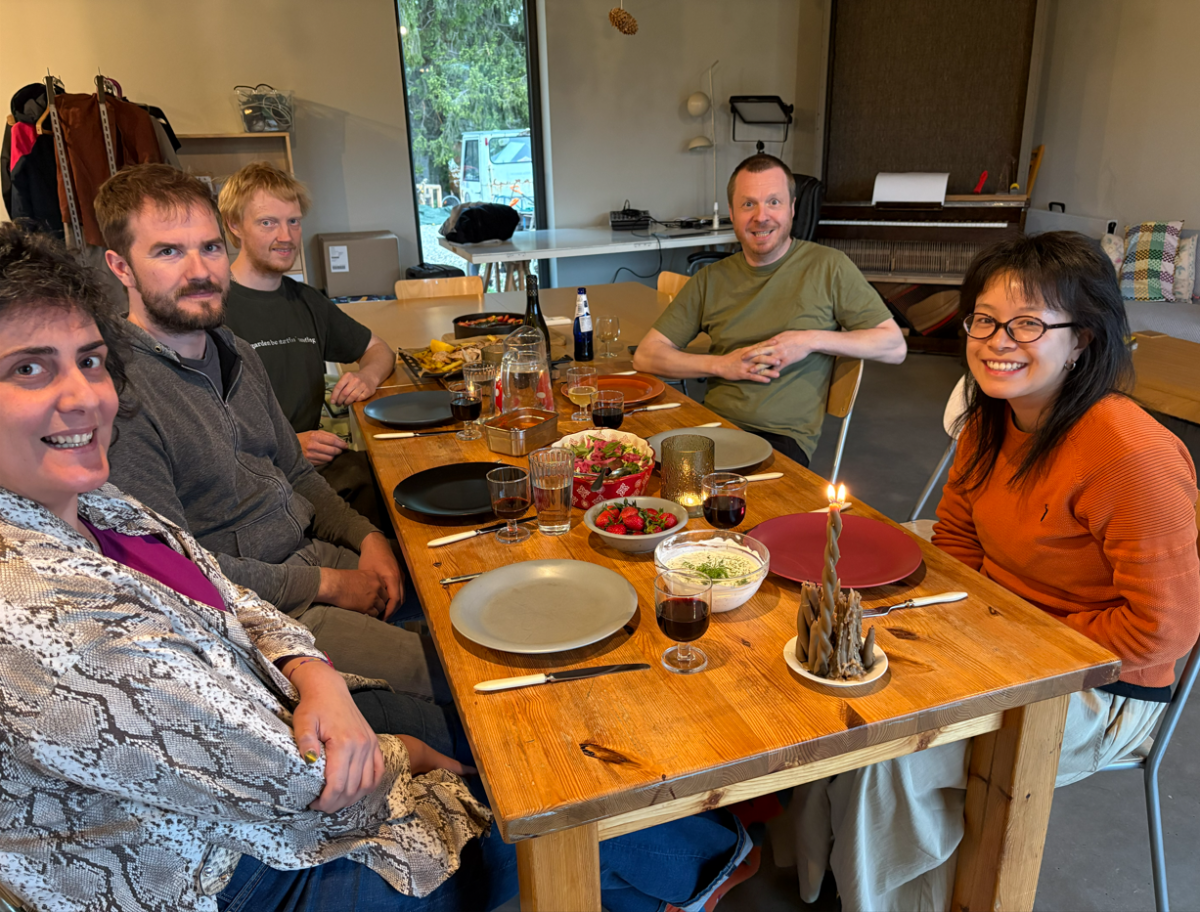
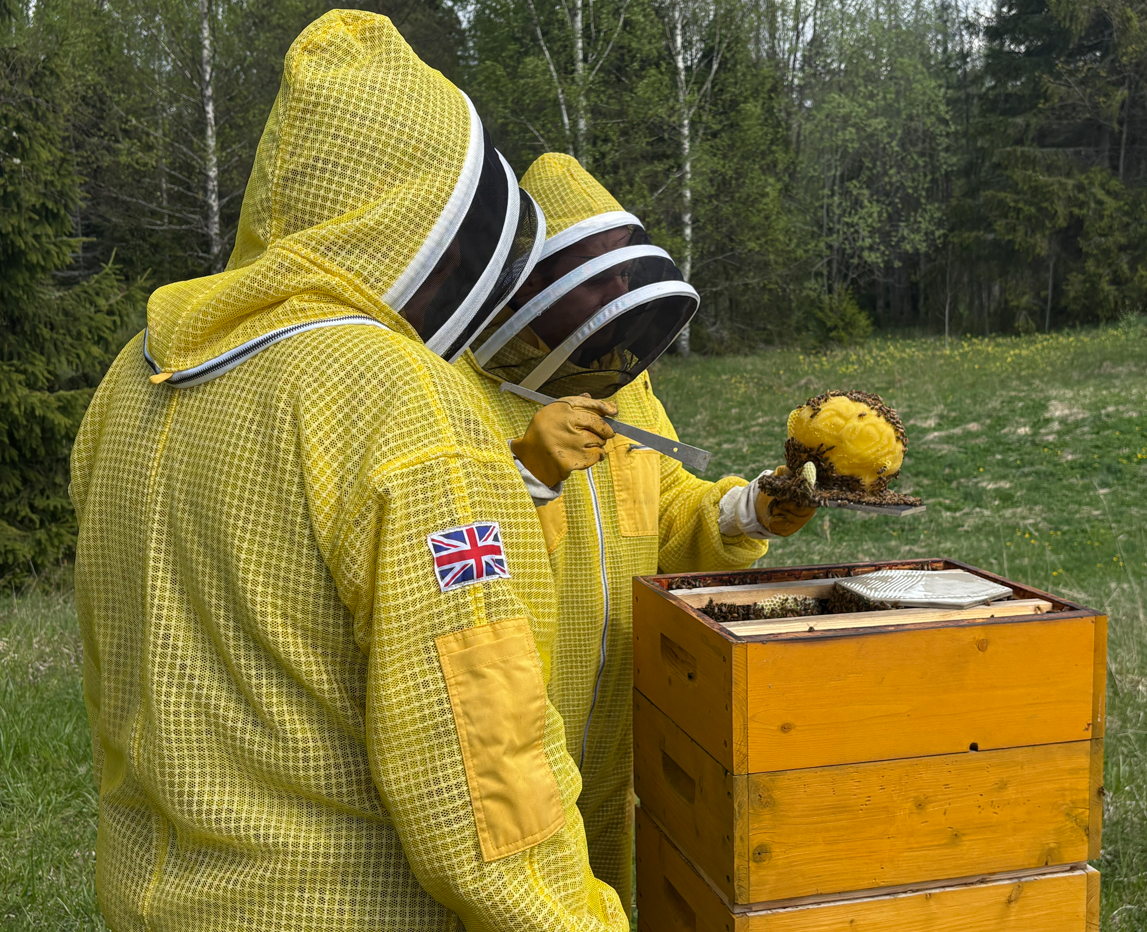
The Ambassadors of Good Practice exchange in May 2026 brought together Maajaam and La Rivoluzione delle Seppie, a rural cultural initiative based in Belmonte Calabro in southern Italy. Structured around site visits, discussions, practical activities, and informal encounters, the programme allowed the visitor to experience not only Maajaam’s projects but also the values that underpin them. During the exchange, the visitor encountered the hub’s holistic approach through presentations of Maajaam’s studios, workshops, the Wild Bits exhibition, the Bee Art Lab, and collaborative projects involving both artists and scientists. Moreover, shared meals, cooking sessions with local residents, and exchanges with artists-in-residence further illustrated how community engagement is embedded in everyday practice.
This integrated approach impressed the visitor. As she reflected, one of the most valuable discoveries was seeing how “technology, ecology, artistic experimentation, and everyday rural life are deeply interconnected.” Rather than relying on large infrastructures or specialised facilities, Maajaam demonstrates how innovation can emerge through long-term commitment to a place and its people.
Alongside presentations and guided visits, the exchange included opportunities to meet artists-in-residence, local farmers, community members, and project partners. This broad range of encounters helped reveal what sustains the organisation beyond individual projects: a network of relationships built over time. As the visitor noted, understanding “the ecosystem that supports Maajaam was as important as learning about its activities themselves.”
The informal dimensions of the exchange proved particularly valuable. According to the host, conversations during shared meals and discussions about the realities of working in rural areas generated insights that “could not have been gained through presentations alone.” These moments fostered trust, openness, and a deeper understanding of common challenges faced by rural cultural organisations across Europe.
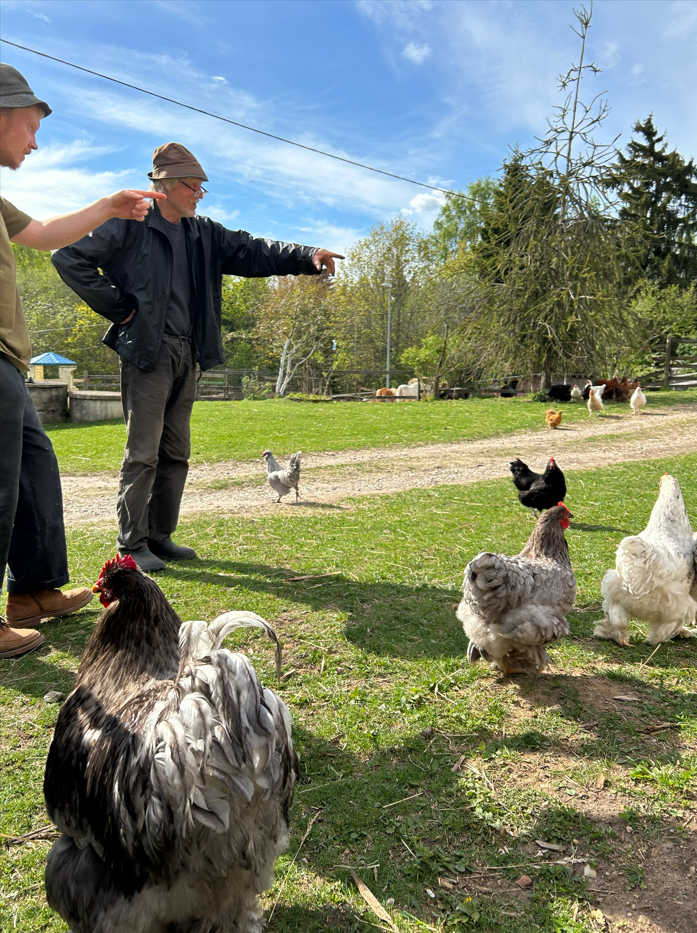
Maajaam demonstrated their work and ideas through practice rather than presentation alone. Instead of discussing concepts such as sustainability, interdisciplinarity, or community engagement in abstract terms, the organisation embeds them within everyday activities; the exchange was part of that philosophy, as the visitor was immersed in the hub’s daily practices and way of life.
This revealed a broader understanding of rural innovation. The exchange challenged assumptions that technological projects require extensive infrastructure or large teams. Instead, it showed how “small-scale initiatives can have a strong impact when rooted in a specific place and community,” as the visitor noted.
The organisation’s openness was equally important. Reflecting on the visit, the host noted that the exchange was valuable because it created meaningful connections with organisations they “would otherwise not meet” and opened opportunities for future collaboration. The ability to learn from peers with similar values but different local contexts reinforced Maajaam’s role as a facilitator of transnational knowledge exchange.
Despite operating in very different regions of Europe, both organisations identified strong similarities in the challenges they face. Rural cultural organisations often work with limited resources, geographical isolation, and the need to balance local relevance with international engagement. The exchange demonstrated how peer learning can reduce this sense of isolation while generating practical ideas for future development.
For La Rivoluzione delle Seppie, one of the most important lessons was the possibility of creating stronger links between artistic experimentation, environmental awareness, and community participation. The experience reinforced a belief that regeneration should be approached through “care for places, care for relationships, and care for local resources.”
The visit also highlighted the value of international networks. Rather than treating European cooperation as an external activity, Maajaam integrates international exchange into the everyday life of a rural cultural organisation, connecting local concerns to wider conversations on art, technology, and environmental futures.
Both organisations see the exchange as the beginning of a longer relationship. Discussions have already explored possibilities for reciprocal visits, presentations, future European partnerships, and collaborative funding applications.
For the visiting organisation, the experience has inspired new thinking around the role of digital tools in community engagement and the integration of ecological practices into cultural programming. For Maajaam, the exchange reinforced the value of connecting with organisations that share similar concerns while working in distinct social and cultural contexts.
Ultimately, Maajaam provides a model for how creativity, technology, ecology, and local knowledge can coexist and reinforce one another. As the visitor concluded, the exchange demonstrated that organisations working in different corners of Europe “can learn a great deal from one another” when they create the conditions for genuine dialogue and shared experience.
Key Takeaways

Maajaam is a farm for art and technology based in Southern Estonia dedicated to exploring the intersection of contemporary art, media, and landscape. Situated in a repurposed farmstead, it has become a dynamic hub for experimentation, artistic residencies, and public programmes rooted in rural and ecological contexts. Maajaam serves as a living laboratory for sustainable ideas and cultural regeneration. A key initiative is Wild Bits, a large-scale outdoor hiking trail / technoligical art exhibition featuring interactive and media artworks embedded in the natural landscape. Wild Bits invites audiences to reflect on the relationship between technology and the environment.
La Rivoluzione delle Seppie is a collective of young international professionals based in Calabria, working through a transdisciplinary approach to cultural and social regeneration. The organisation operates in the physical and symbolic gaps of rural territories, activating abandoned spaces and transforming them into places for experimentation, learning, and community life. Through the exchange of knowledge and collaborative practices, it seeks to build new forms of community and explore alternative ways of living and working together. Its work offers a response to increasingly specialised and competitive professional cultures, promoting instead cooperation, collective care, and shared responsibility.