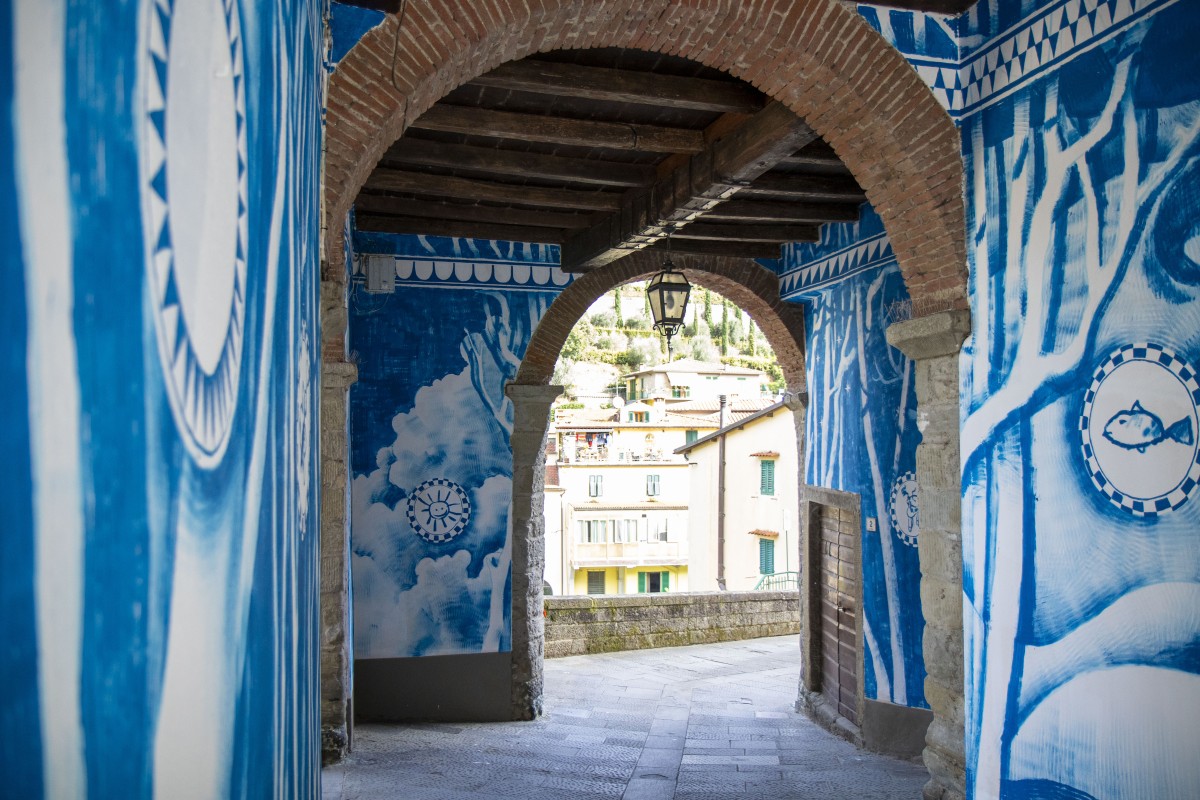



LAMA envisioned to cement the recognition of rural areas as vibrant creation centers of equal cultural dignity to major urban hubs. Their A dimora initiative showcases how combining ephemeral performances and site-specific artworks, while engaging local community and municipality can have a profound impact within a territory, reimagined by non-local artits' narrations.
Spanning from 2023 to 2025, A dimora was a contemporary art residency pilot project in Londa, Tuscany, designed by LAMA, a local social change and innovation agency. The initiative aimed at transforming a perceived marginal-rural area into a vibrant site of creative production and exchange. Facing skepticism regarding contemporary art and the perceived transience of resident artists, LAMA knew that in order to establish foundations for a long-lasting legacy they had to create solid bounds with the community. This is their story.
A dimora was developed in the framework of the Future DiverCities, an EU funded project, aiming at re-imagining culture-led regeneration of 8 urban empty spaces in an ecological way. The project focused on the municipality of Londa within the Valdisieve area, which was unaccustomed to contemporary art or such interventions. Their challenge was to ground abstract contemporary practices within a specific community context to create outcomes that were truly engaging and representative of the territory.
LAMA sought to address this not just by producing art, but by inviting non-local artists to reinterpret the community's needs and desires through a flexible residency program. Over three summer cycles, the project hosted 12 artists who immersed themselves in the territory, treating the town and its surrounding nature as an active, "indefinite space" to live, research and create.
A milestone was when during the second summer cycle in 2024, they relocated the artists' accommodation from a further hamlet to the town center, significantly boosting their autonomy and natural integration into daily community life. Secondly, they expanded the public program with studio visits and talks, opening the project to external cultural professionals while deepening local engagement.
The overall format evolved annually to better align the needs of the artists with those of the local community.
 Samuel Rosi (Muz), A dimora 2025, credits Eleonora Saviozzi
LAMA faced initial skepticism regarding contemporary art and the perceived transience of artists. They addressed this by prioritizing slow integration, facilitating both official and spontaneous encounters. In the third edition, they converted a main square shop into a visible studio, demonstrating that value lies in the creative process, not just the object.
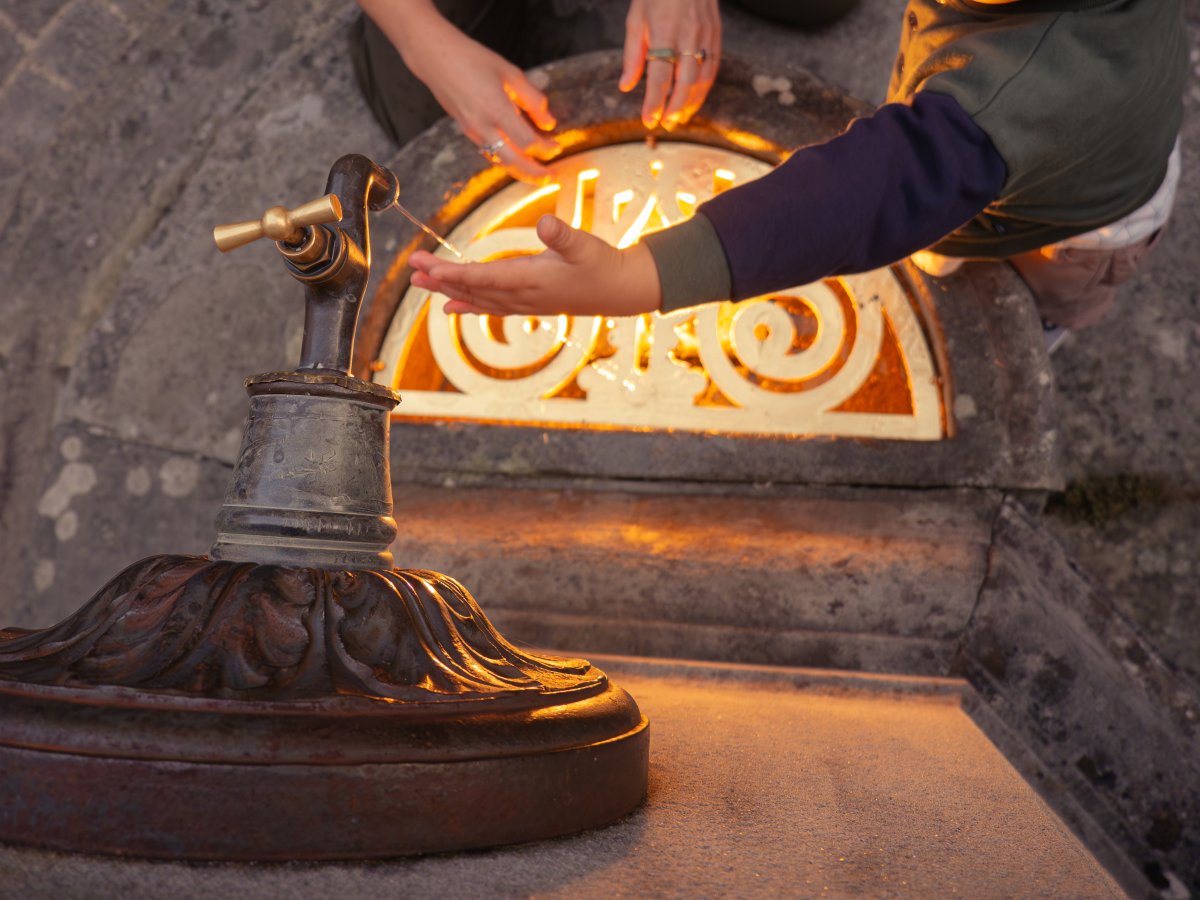
Another challenge was operating without a pre-existing cultural infrastructure. To address this, rather than heavy construction, they prioritized site-specific interventions on existing underused spaces that artists identified together with the community. An old quarry, portico, vacant shops and a fountain served as such places, organically transitioned from ephemeral performances to site-specific, permanent interventions. As very little was physically "built" from scratch, LAMA ensured that the works were coherent with the territory rather than forced upon it.
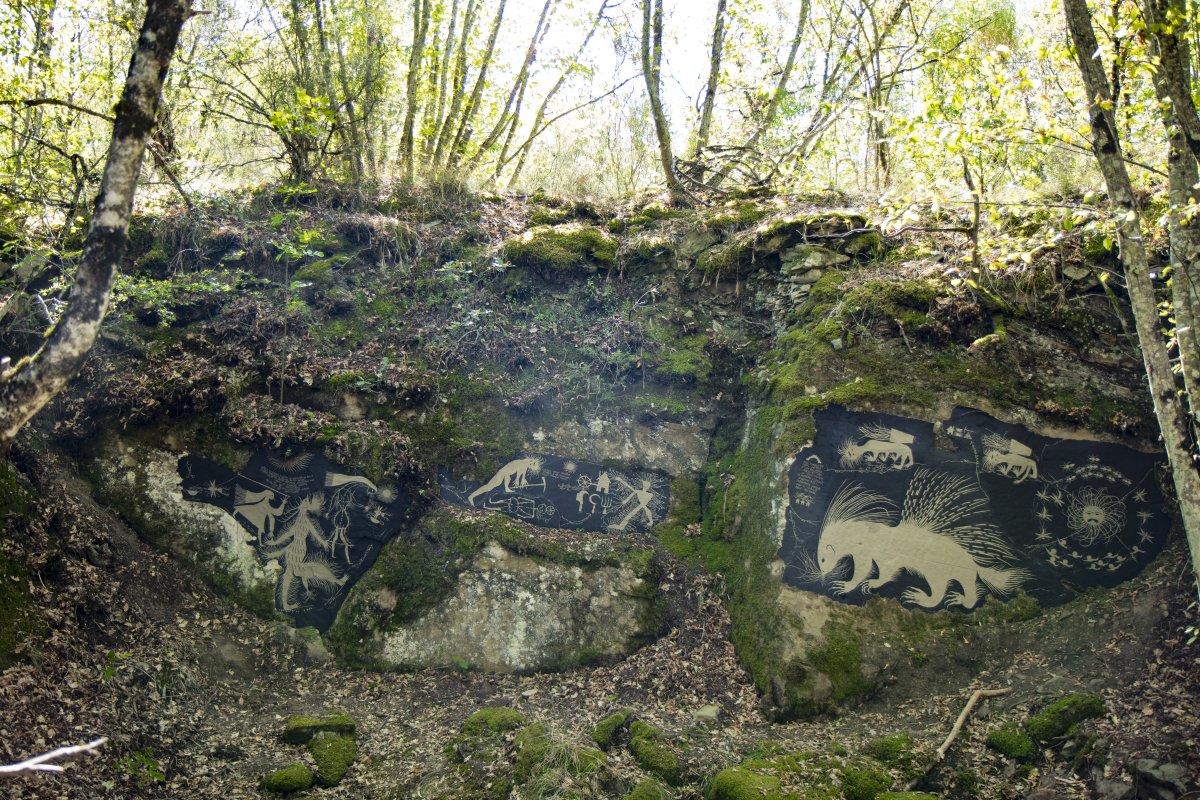 Simone Carraro, A dimora 2023, credits Luisa Costa
Perceiving constant change as an inspiring enabler, not a constraint
From the outset, LAMA approached impermanence as a defining condition rather than a constraint, working within an "indefinite space" that encompassed not just the town, but its ever-transitioning natural surroundings of forests, streams, and plateaus.
Navigating this environment presented distinct challenges, particularly regarding the community. Building trust and demonstrating the intrinsic value of the project required an adaptive, site-specific approach. Consequently, dissemination and communication were adapted to the rural context, implementing the standard promotion to ensure the local population played a central role in A dimora’s narrative. To work productively with impermanence, LAMA relied on informal exchanges, word-of-mouth, and integration with the local Montagna Fiorentina festival, allowing the project to remain responsive rather than fixed. This adaptive methodology turned impermanence into an asset, allowing the project to evolve alongside the seasons.
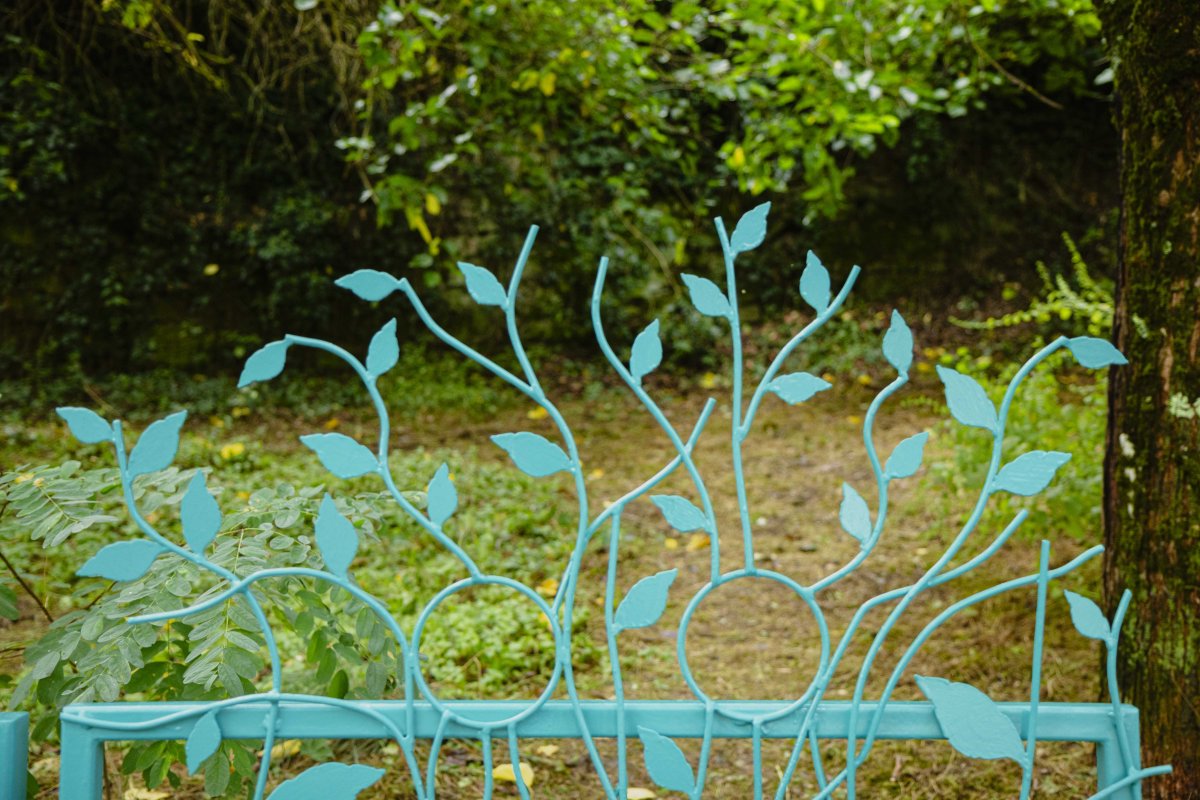 Arianna Pace, A dimora 2024, credits Luisa Costa
A dimora shifted the local discourse on heritage, moving beyond a static view of conservation to embrace heritage as dynamic and living, encompassing both material works and intangible processes. This impact is evidenced by the Municipality's explicit request to continue collaborating on future editions.
Throughout the project LAMA acted as a mediator and co-designer, facilitating processes where diverse local instances could be represented. To address the complexity of the context, LAMA had deployed a multidisciplinary team to support the artists’ research and production while simultaneously managing stakeholder relationships. “A crucial part of our approach was keeping the Public Administration at the center of the conversation and ensuring constant, transparent communication with the citizenry to foster a sense of shared ownership over the cultural process”, as they said.
A crucial milestone was when they facilitated the Municipality’s acquisition of Agnese Banti’s 2023 sound installation, "Fior di Mezzogiorno...". This decision, driven by popular demand, marked a strategic shift from temporary experimentation to building a permanent public art collection, solidifying the community's desire for lasting cultural assets.
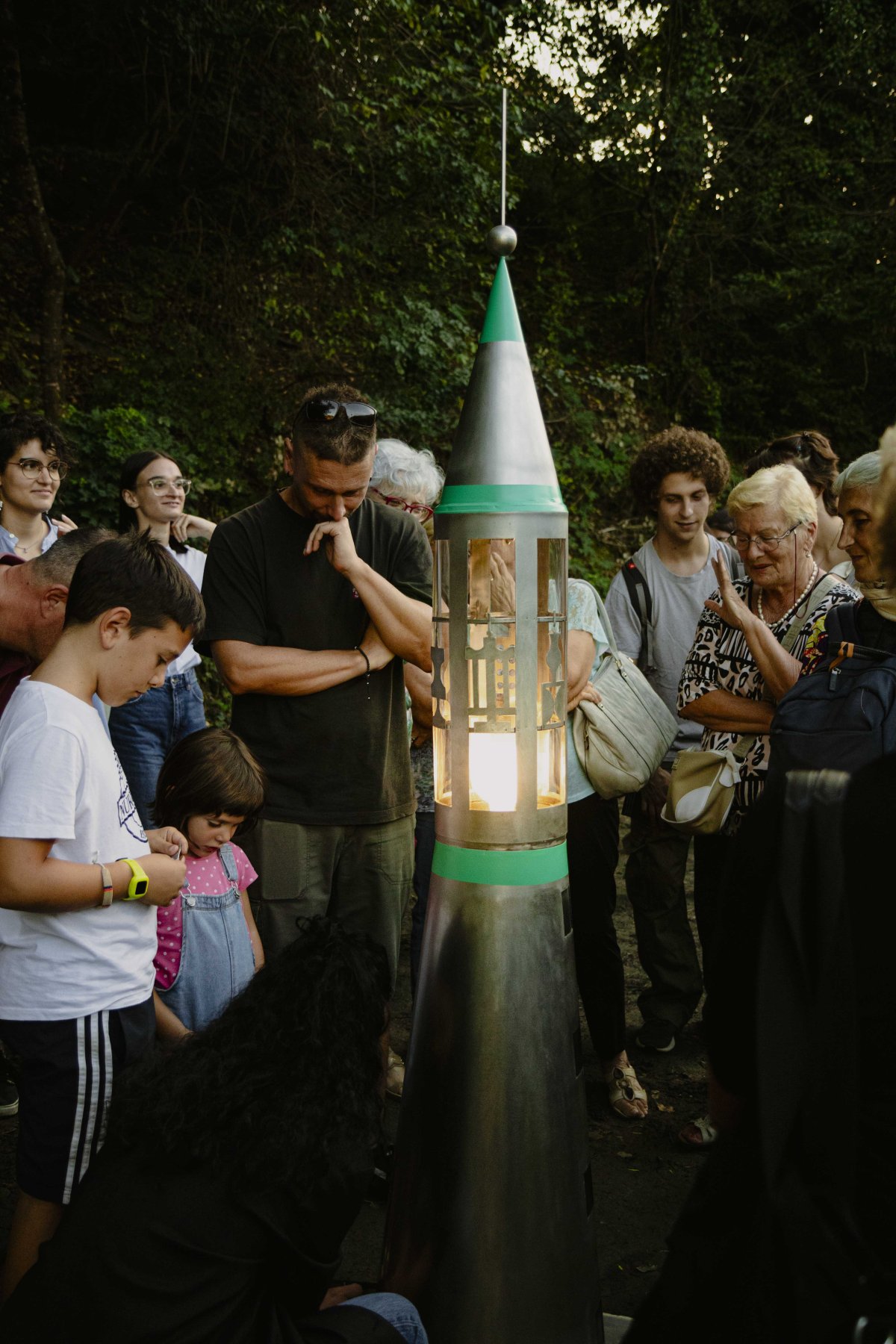 Ornella Cardillo, A dimora 2024, credits Luisa Costa
Crucially, very little was physically "built" from scratch. The artistic output prioritized performances involving sound and light, or site-specific interventions on existing elements—such as the quarry, portico, and fountain—rather than heavy construction.
Beyond the physical art, A dimora addressed pragmatic issues by reactivating underutilized assets, such as renting vacant apartments and converting a former shop into a studio. By grounding the project in the reality of the landscape, A dimora fostered a new sense of imagination and possibility. Ultimately, it transferred agency to the citizens and institutions, ensuring that while the residencies were temporary, the cultural revitalization and the value placed on these lived spaces remain enduring.
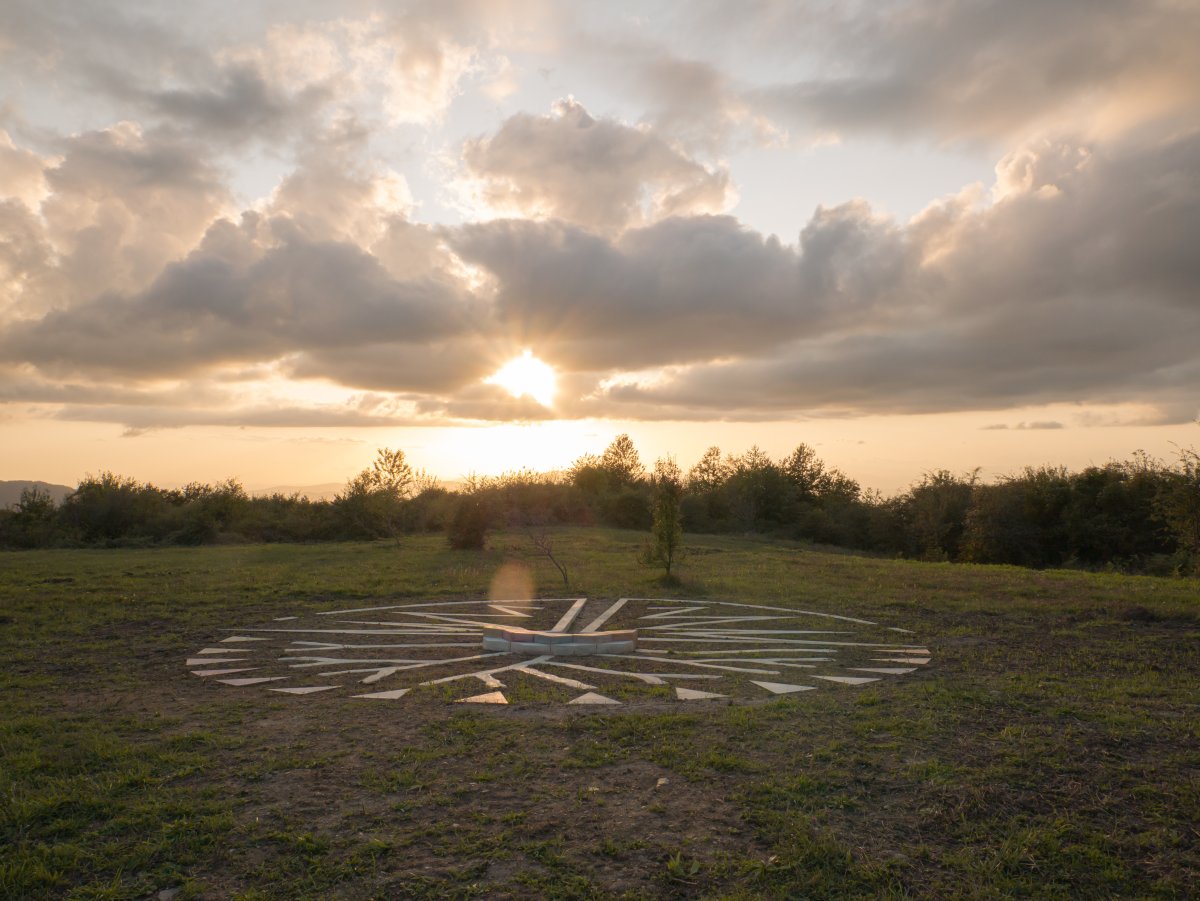 Chiara Gambirasio, A dimora 2025, credits Eleonora Saviozzi
The pilot’s legacy comprises nine permanent and three impermanent artworks now owned by the Municipality, which has assumed responsibility for their maintenance. These works serve to solidify the relationship between the urban environment, nature, and inhabitants.
By weaving contemporary practices into the social fabric, LAMA demonstrated that sustainable, lasting value is generated not only by physical structures, but also by profound, intangible relationships ignited by cultural practices.
Through a blend of ephemeral performances, public programs, and the creation of nine permanent artworks while reactivating underutilized spaces and addressing pragmatic issues, the initiative strengthened building a dynamic, living heritage. As such, A dimora proved that rural areas can possess the same cultural dignity as urban centers, while leaving a lasting legacy of trust, new narratives, and shared imagination.
This Case Study was created under Creative FLIP, an EU co-funded project aimed at further increasing the long-term resilience of the CCSI in key areas such as Finance, Finance, Learning, Working Conditions, Innovation & Intellectual Property Rights.
Key Takeaways

LAMA - Social Enterprise is a cooperative whose mission is to generate social impact through the innovation of policies and organisations, and the regeneration of territories and spaces. With a multidisciplinary team and more than 200 projects delivered, LAMA works with public institutions, third-sector organisations and companies in Italy and across Europe, bringing expertise in policy design, participatory processes, placemaking, European project development, communication and social impact evaluation. Alongside consultancy and capacity-building activities, LAMA combines hands-on experience in social real estate management with the direct delivery of culture-led regeneration projects.
LAMA is also the promoter of the Londa School of Economics, a school and cultural project, and since 2024 has been a partner member of the French social real estate cooperative Plateau Urbain.