



Museumsverein Klostertal highlights how a small, volunteer-driven museum can function as a community-based cultural system in rural Austria. Through participatory heritage practices, relational networks, and adaptive collaboration, their exchange with Teach Siamsa Finuge from Ireland offered an immersive learning experience and inspiring new approaches to engagement, storytelling, and rural cultural sustainability.
By Goethe-Institut BrusselsIn the Klostertal valley in Austria, Museumsverein Klostertal offers a distinctive model of rural cultural work rooted in participation, volunteerism, and local identity. Operating in a small Alpine region with limited population and resources, the museum functions as a community-based cultural infrastructure—shaped as much by relationships and shared responsibility as by institutional frameworks.
Rather than relying on scale, the organisation builds its impact through networks: volunteers, educators, local stakeholders, and partner organisations all contribute to its activities. This distributed model allows the museum to act as a platform for storytelling, intergenerational exchange, and collective memory, positioning cultural heritage as a living and evolving practice embedded in everyday life.
At the core of Museumsverein Klostertal’s work is a strong commitment to participatory heritage. Its programmes go beyond exhibitions to include oral history, storytelling workshops, and co-creation formats that actively involve the community in shaping cultural narratives.
This approach reflects a clear understanding of heritage as something generated collectively rather than curated in isolation. As highlighted during the exchange, local knowledge, memories, and lived experiences are treated as essential contributions. One participant noted that “the stories of our valley can be relevant beyond our region,” underscoring how local heritage can resonate in wider cultural contexts.
The organisation’s volunteer-driven structure reinforces this ethos. While coordination can be complex, it also creates a strong sense of ownership and engagement. As the host reflected, even as a “small rural cultural institution,” meaningful impact can be achieved through “creativity, collaboration and strong community involvement.”
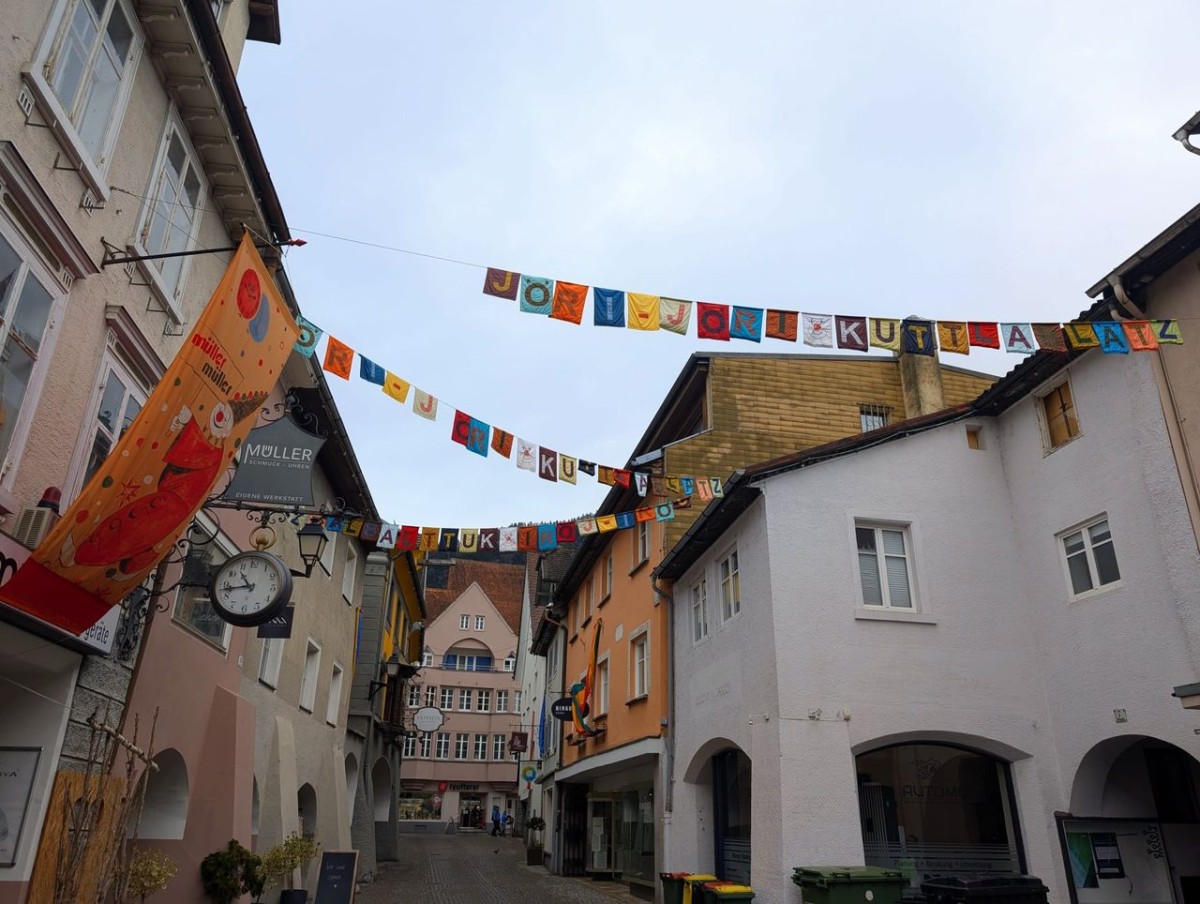
These principles were central to the Ambassadors of Good Practice exchange with Teach Siamsa Finuge, a community-based cultural organisation in County Kerry, Ireland. The programme, which took place in February 2026, combined study visits, workshops, job shadowing, and co-creation sessions, providing a comprehensive insight into both the conceptual and operational dimensions of the museum’s work.
From the outset, the focus was on immersion. The visitor engaged directly with volunteers, educators, and local partners, gaining insight into the everyday realities of running a small cultural organisation in rural Austria. Activities included workshops on community engagement and oral history, participation in storytelling formats, and exchanges with different stakeholder groups.
The structure balanced guided learning with open observation. As the visitor noted, the exchange offered “a layered understanding of the regional heritage ecosystem,” combining institutional perspectives with informal interactions and lived experience.
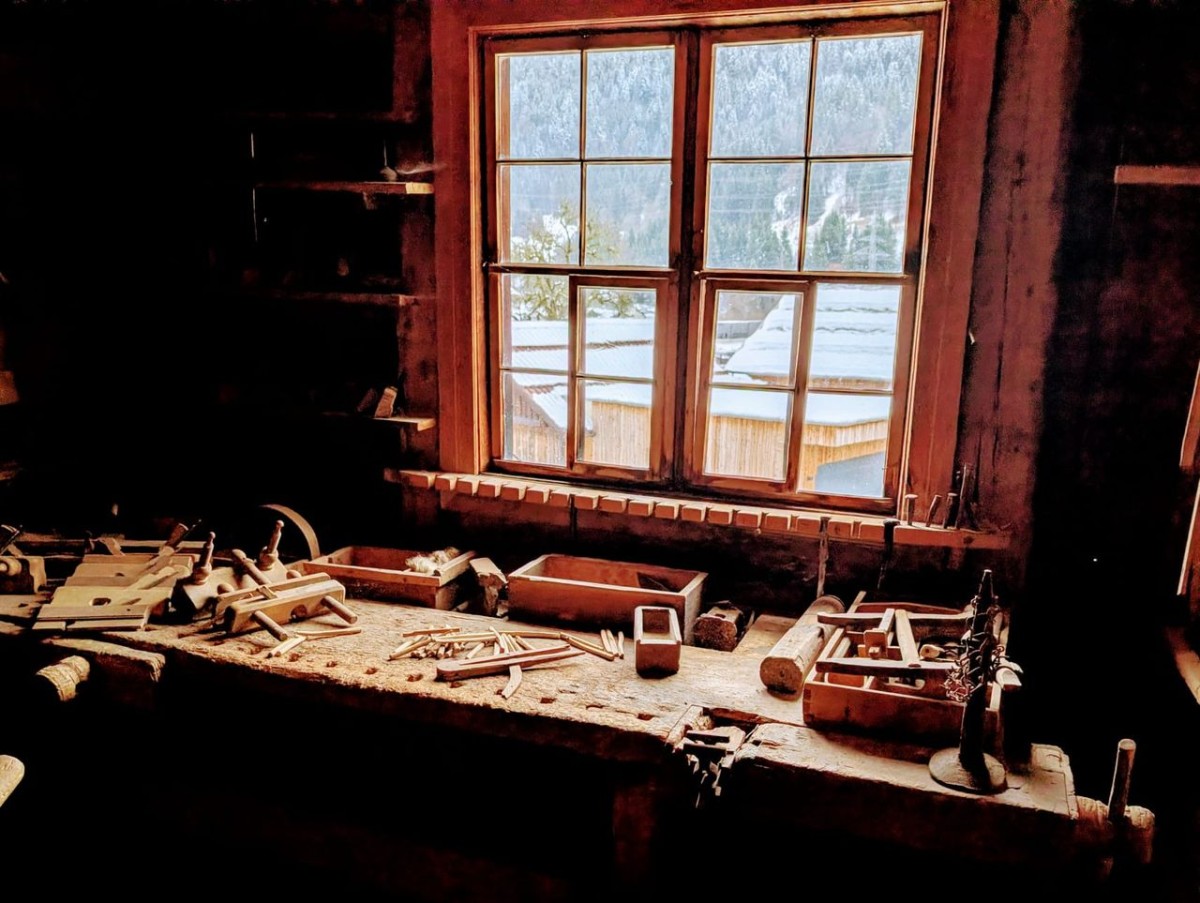
What sets Museumsverein Klostertal apart is how its cultural work works as a complete system rather than a set of isolated activities. The exchange revealed how governance, infrastructure, volunteer engagement, and funding strategies intersect to shape cultural production in rural contexts.
As the visitor reflected, the experience shifted their perspective: instead of viewing museums primarily as exhibition spaces, they came to understand them as “complex socio-cultural systems sustained through networks, commitment, and adaptive practice.”
This systemic view also made visible the constraints and trade-offs inherent in small-scale cultural work. Challenges related to infrastructure—such as limited connectivity, storage, or staffing—directly shape programming possibilities. Rather than presenting idealised models, the host offered an honest and grounded perspective on these realities.
The exchange also prompted reflection on different approaches to participation. While Museumsverein Klostertal demonstrates strong community representation through collections and activities, the visitor noted that co-creation does not emerge automatically. Instead, it requires intentional design.
This insight highlighted an important distinction: participation is not simply about involving communities in content, but about enabling them to shape cultural processes. The experience reinforced the need to actively structure participatory formats—such as workshops or collaborative curation—if deeper engagement is the goal and provided a space for critical dialogue, where practices could be examined, questioned, and developed further.
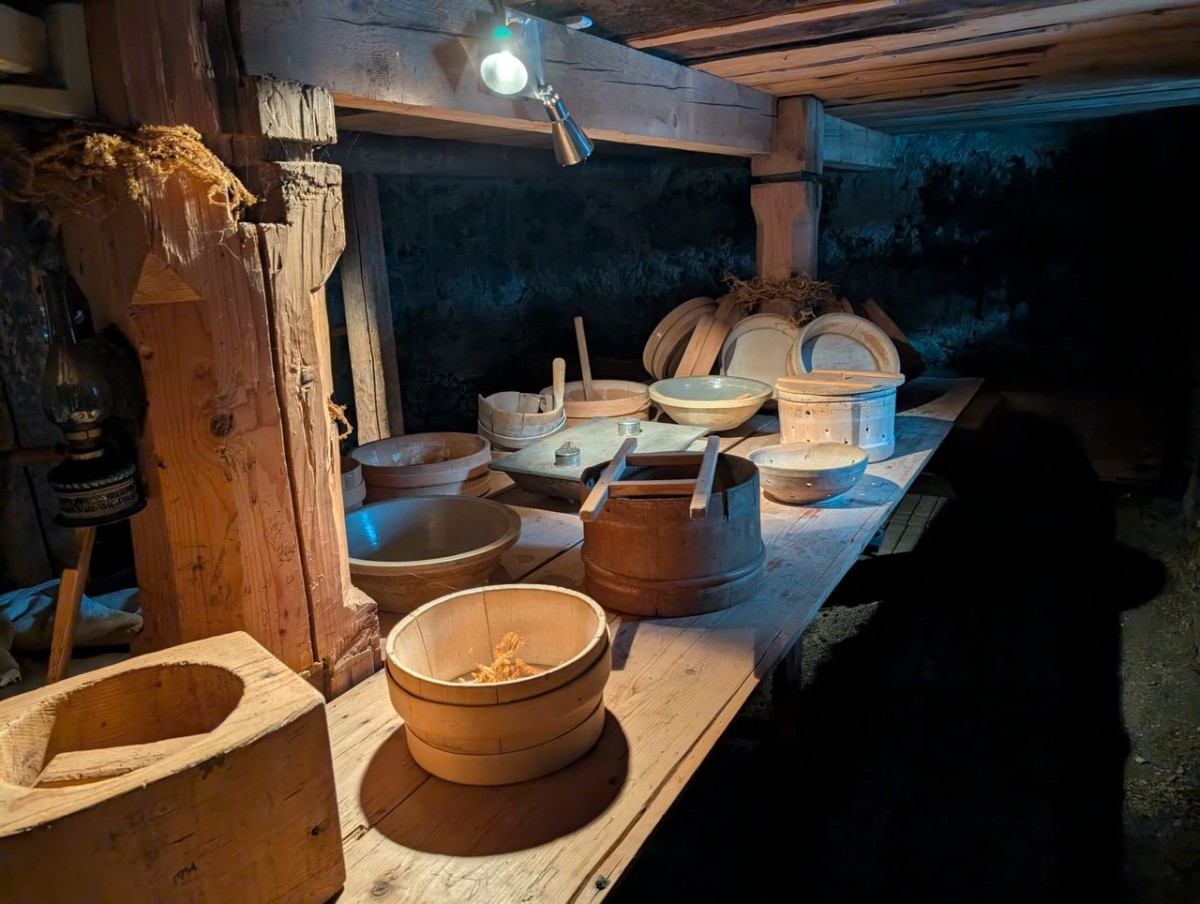
Both organisations view the exchange as the beginning of an ongoing collaboration, with plans for continued knowledge sharing, joint initiatives, and engagement within broader European networks. The impact of the exchange is already visible in the visitor’s intentions to adapt several elements in their own context. These include distributed models of heritage stewardship, participatory exhibition formats, and more incremental approaches to digitisation.
For the hosting organisation, the exchange offered a similar opportunity for reflection. Engaging with an external perspective helped the organisation recognise its own strengths and identify areas for development. As colleagues noted, the visitor’s questions encouraged them to “reflect on established routines and recognise the strengths of practices that are often taken for granted.”
The work of Museumsverein Klostertal shows that small cultural hubs in peripheral regions can find success despite the challenges usually associated with rural areas. By being flexible and building strong connections between volunteers and communities, the association has managed to create a resilient cultural ecosystem, deeply rooted in the lives of the locals. Moreover, the exchange has highlighted how participatory heritage practices strengthen both local identities and international openness, as well as how challenges can become opportunities for and active involvement and collaboration
Image: Susan Motherway
Key Takeaways

Seven years after the opening of the Klostertal Museum, the Klostertal Museum Association was founded in March 2001. Since its founding, the association has strived to develop the Klostertal Museum into a vital cultural center for the valley. A variety of events have brought numerous visitors to the former Thöny-Hof each year. Since 2002, the organisation has been participating in the Long Night of Museums in Austria, a tradition that continues to this day. Concerts, readings, discussions with contemporary witnesses from the Klostertal, and educational presentations of exhibition content as well as a university for children are just a selection of the wide-ranging topics covered.
Teach Siamsa Finuge, the original home of the National Folk Theatre of Ireland (est. by Pat Ahern in 1974), was founded to preserve and transmit Ireland’s folk traditions. Modelled on an old farmhouse, the venue facilitated training in traditional music, dance, and drama while serving as a community gathering place. However, when these activities relocated to Siamsa Tíre in Tralee, Teach Siamsa Finuge gradually fell into disuse. Now, almost 20 years later, the local community is proudly working to revive its spirit.