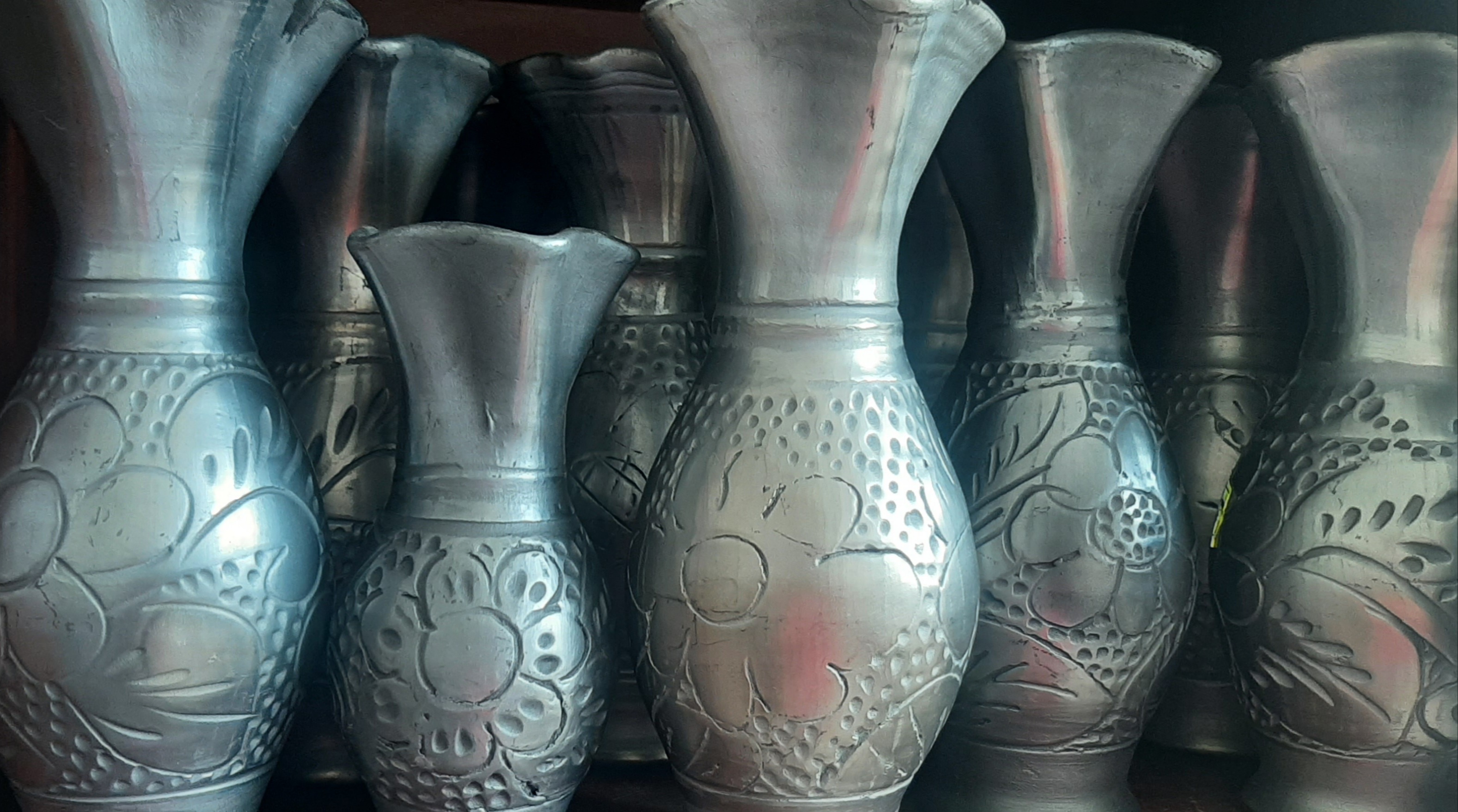




In the heart of Romania’s Bucovina region, the village of Marginea preserves a centuries-old pottery technique that produces ceramics with a distinctive black colour without any additives. Recognised by a registered trademark since 2006, Marginea’s black pottery not only safeguards cultural heritage but also attracts visitors, boosting tourism and the local economy.
From the archives
Marginea, located in Romania's picturesque Bucovina region, is renowned for its black pottery, produced using an ancient burning technique that creates the unique black colour. In addition to its significance in preserving cultural heritage, Marginea's black pottery also offers a unique experience for tourists visiting the region. By engaging with artisans and witnessing the craft first hand, visitors gain a deeper understanding of the history and craftsmanship behind the black pottery production. This authentic experience, combined with the opportunity to purchase a piece of this remarkable art form, adds to the appeal of Marginea as a tourist destination.
What is so special about Marginea pottery is that; the region is the only place in the world where this black colour is obtained without additives to the clay paste, and its ceramics are unique in Europe.
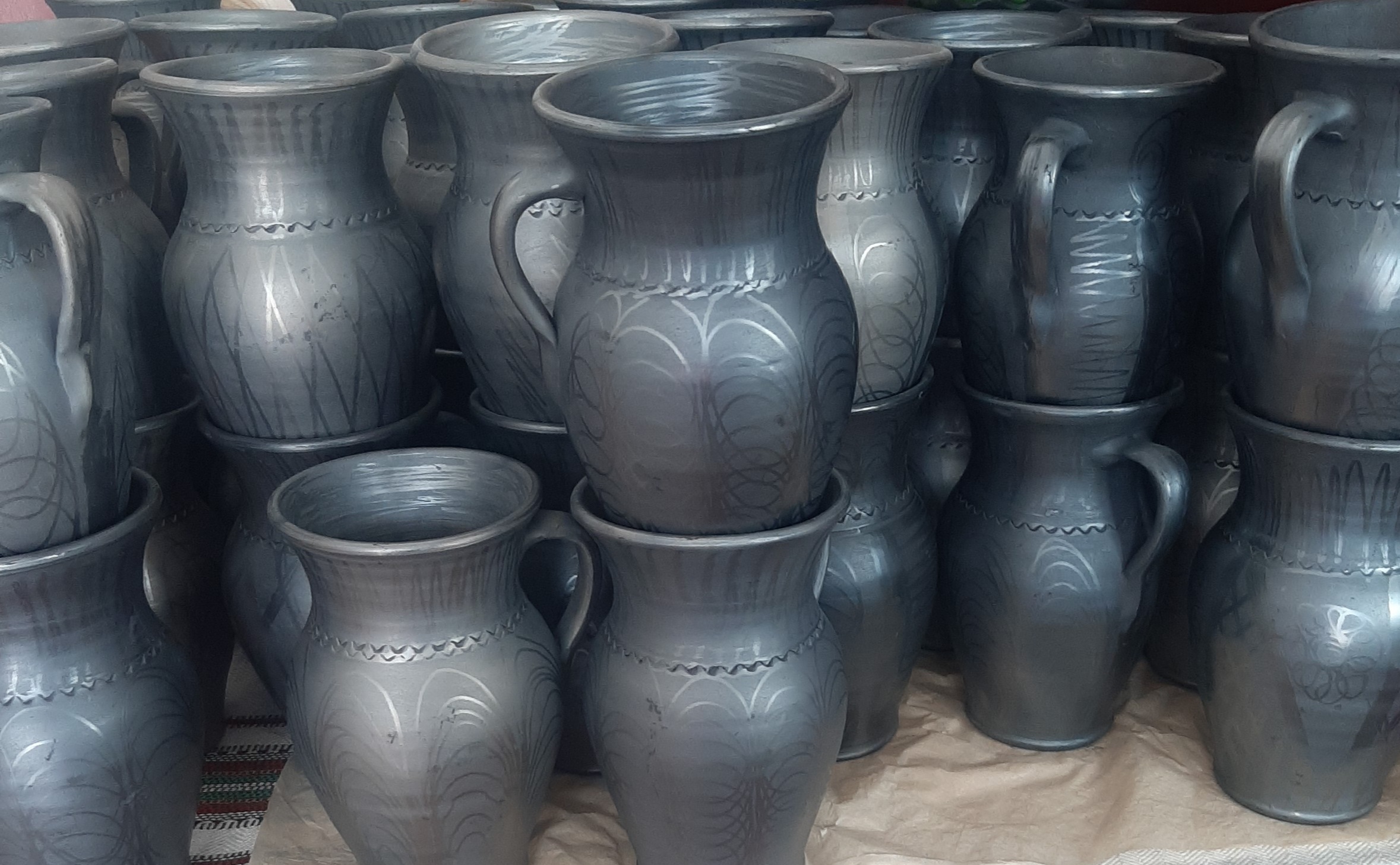
The pottery manufacturing process begins with clay preparation and shaping on the potter's wheel, followed by decoration and drying before being fired in a kiln. Four natural elements contribute to the black ceramics: earth, water, wind, and fire. The decorating technique is also the traditional one: the pots are polished with a special river stone; the unburned grey prints on the pot will mix the metallic black. This process is also unique in the world.
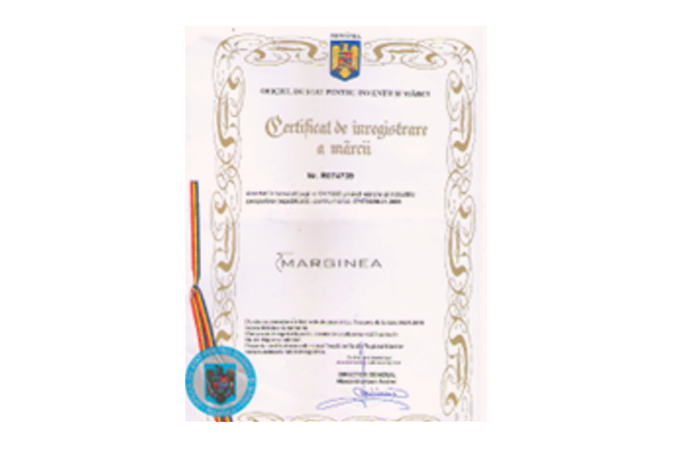
Since 2006, Marginea has been a registered trademark1 at the Romanian State Office for Inventions and Trademarks (OSIM), with the purpose of distinguishing its particular ceramic products and stimulating the improvement of their quality.
The registered trade mark of Marginea Black Pottery enhances its global recognition and value, ensuring that these distinctive products continue to be sought after by customers worldwide. As a result, Marginea not only upholds an important aspect of Romania's cultural heritage but also supports the local economy by attracting tourists and promoting the sales of black pottery.
In summary, Marginea's black pottery is a testament to the enduring importance of traditional craftsmanship and the preservation of cultural heritage. Along with the support of IP protection, Marginea contributes to the Bucovina region's tourism appeal and helps to keep the ancient tradition of black pottery alive for future generations.
1Editor’s note: In the EU, trademark protection lasts 10 years counting from the filing date of the trademark application, but it can be renewed illimitably each time for another 10 years.
Photo Credits 1,2: ©Karin Drda-Kühn, 2023
Photo Credit 3: Trademark registration certificate of “Marginea”, OSIM
This best practice example is an edited version and has been summarised from its original text developed by the Learn-IP project, an EU co-funded project under the Erasmus+ programme, which aims to provide IP information and training for the Cultural heritage and cultural tourism sector. You can find the full case study and Learn-IP’s other inspiring best practice examples here.
Key Takeaways