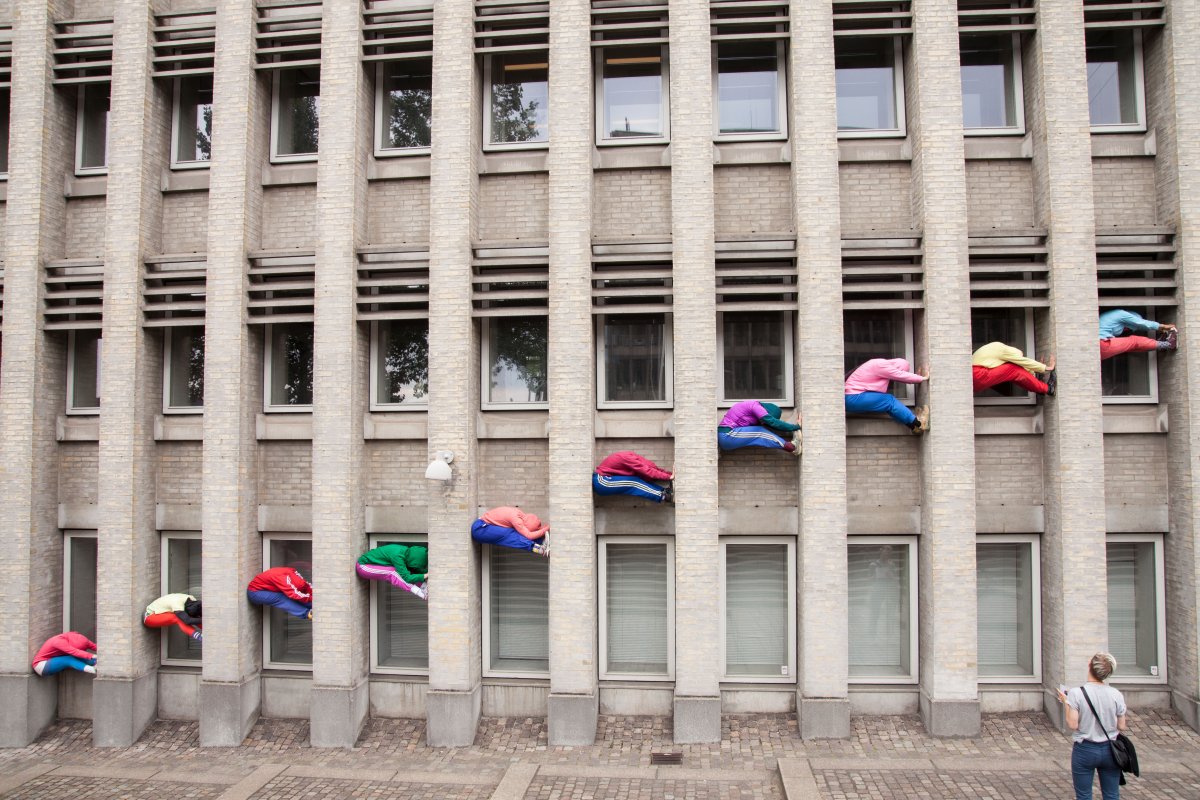


The project (Un)Common Places by the European network IN SITU demonstrates how representativeness can be applied in the cultural and creative sectors and with urban partners. It provides a range of supporting methods and practical tools including large scale training offers, while ensuring highest artistic quality and implementation standards.
By Sylvia Amann, inforelaisThe network In Situ was founded in 2003 aiming to provide a framework for long-term civic engagement through art in European public spaces. Addressing power imbalances in the CCS, IN SITU implemented a series of EU funded projects on democracy and culture, embedding as transversal elements trust, representativeness, (cultural) rights and new participatory decision-making models, such as in the project (Un)Common Spaces. This is their story.
Connecting Creators and Audiences to Outdoor Spaces in Europe
The concept of the In Situ network is deeply anchored in the European contexts. It is based on the variety of cultural institutions on the European continent which is unique in the global context. These cultural institutions facilitate indoor spaces for interaction and exchange.
The availability of indoor spaces generates the need for special considerations of outdoor contexts for art and creation. This also links to the urban development in European cities.
They emerge from a center, often the church, and evolve in circles towards peripheries. Due to these European specificities which differ substantially from e. g. African contexts and their outdoor orientation or the rosters of US cities, the goal since the founding of the In Situ network was to work on European level and to build a related and specific Europe-wide network.
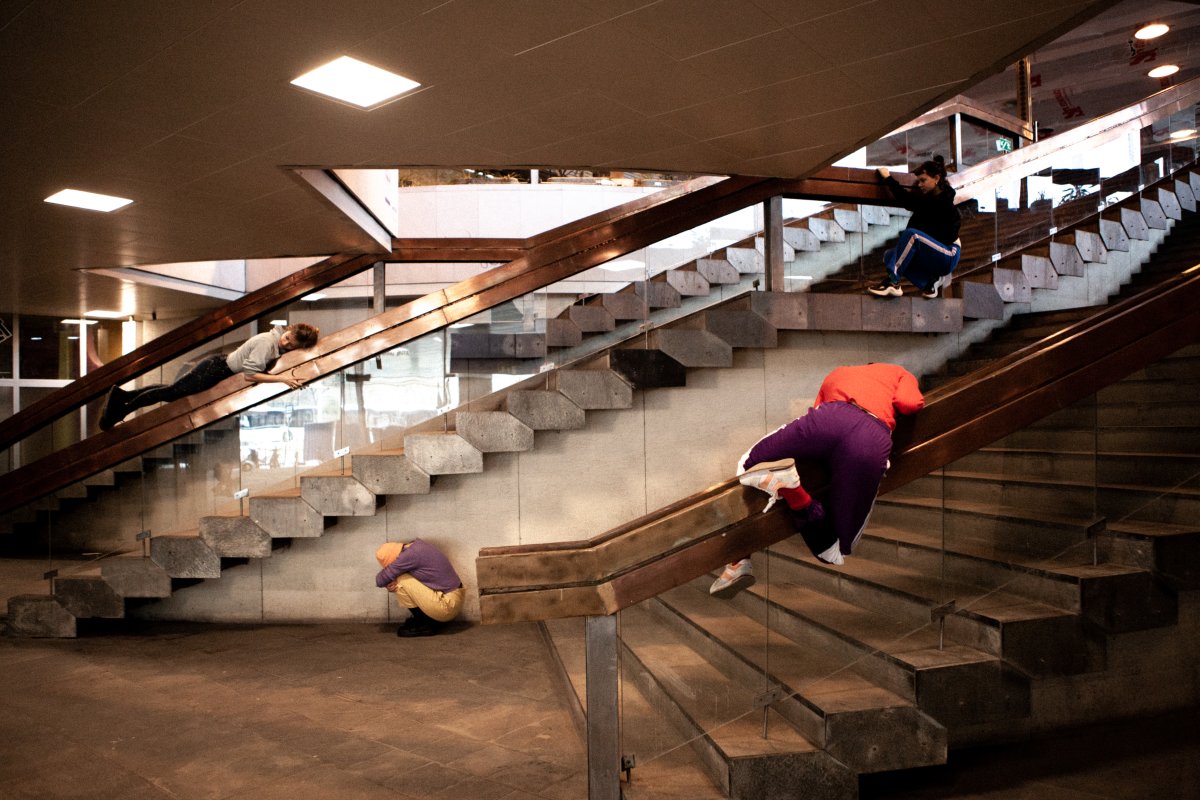 SVUNG © Hevzso Photography.
While the underlying philosophical concepts were clear from the beginning of the initiative, the network faced challenges in view of related funding programmes.
The deep anchorage in long-term cooperation settings and a participatory approach produced results which were difficult to measure. However, funding programmes requested concrete impact measurement. With a series of eight EU funded projects, the network was able to materialise democratic approaches in the artistic and cultural context as well as to proof the viability of the concept.
An Experimentation Area Opening-Up New Decision-Making-Models
The project “(Un)common Spaces (2020-2024)” continued the fields of experimentation on which the network was focusing on since the beginning. It addressed the specific contexts of developing and producing art in public spaces.
As Pierre Sauvageot, Founder of In Situ, said: “(Un)common spaces are two different concepts encompassing common spaces and uncommon spaces aiming at enhancing the understanding of the diversity of spaces. Artistic creation requires reflecting on these different types of frameworks.”
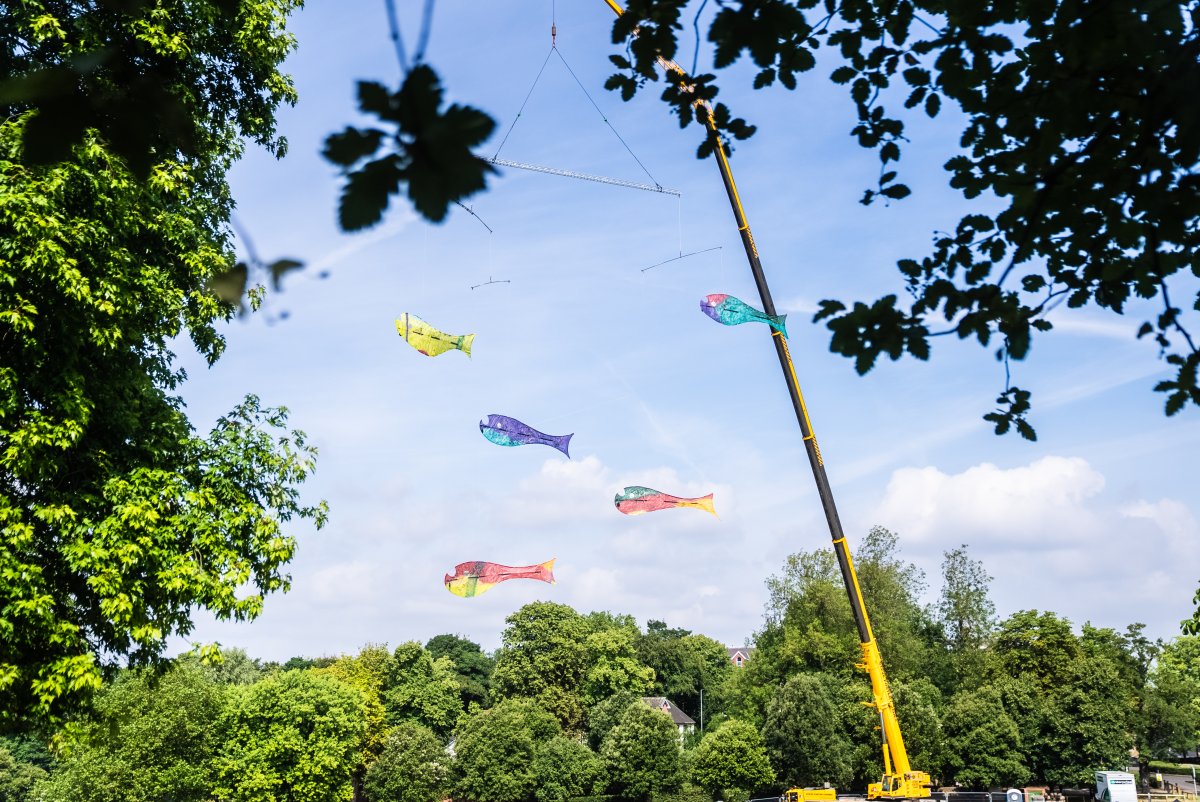 Fish Mobile Tarrega - Fluxx Films ©Barney Witts.
The production contexts reflected substantial hierarchies. Programme directors disposed and still dispose of huge power. A power-imbalance related to the artists who were and still are often in a position to convince the programme directors so that they are programmed for a festival. The project aimed at changing these practices which were perceived as undemocratic.
Enhancing the representativeness in producing and programming were clear aims of the implementation. Power imbalances were addressed by the means of providing spaces for conversation, exchange and reciprocal assistance. Peer exchanges, workshops, encounters and seminaries took place in order to allow for open and sincere conversations on programmes and artistic productions.
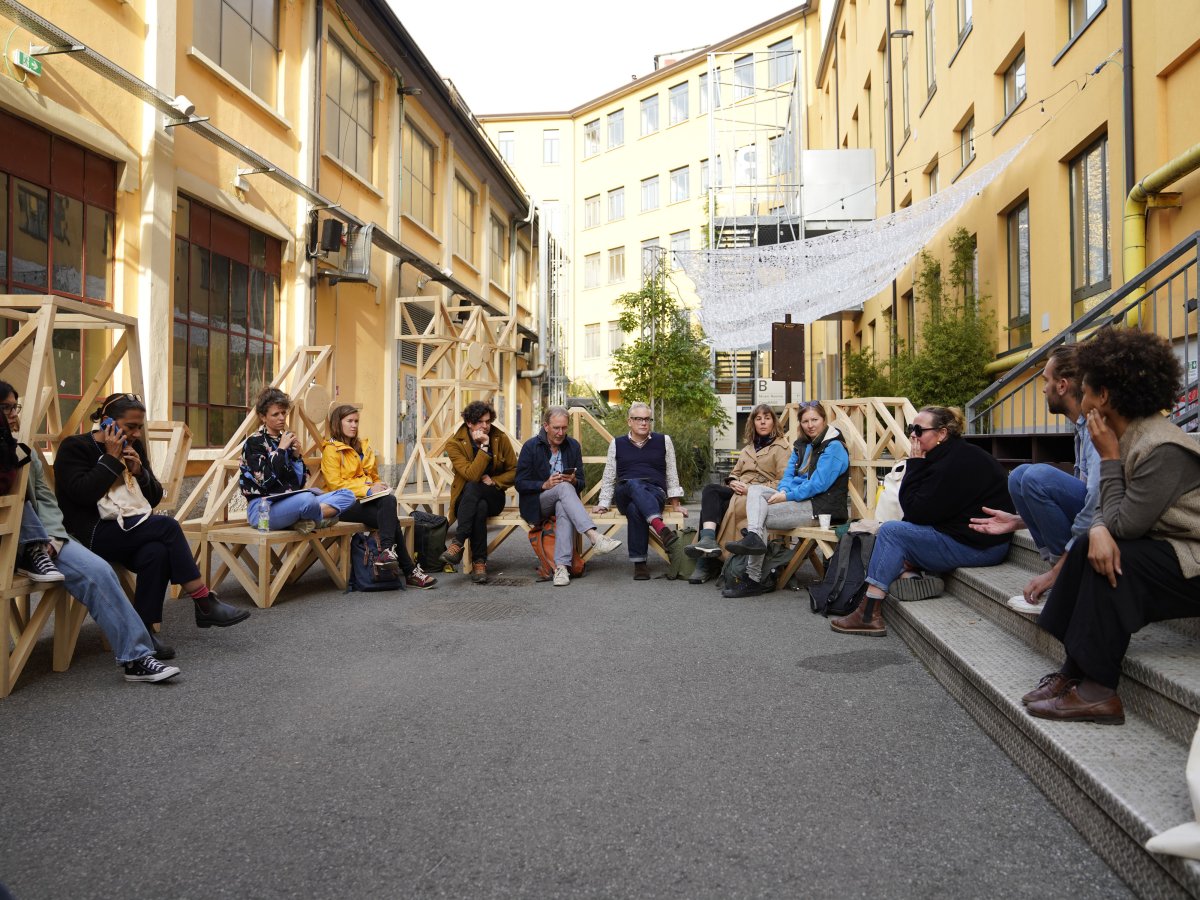 Artistic Lab Milan 3 ©Alessandro Sala.
The project was designed around three circles: the programmers, the artists and the citizens. All were granted considerable time to exchange. The process was at the heart of the project. The results were like a side effect of a well-thought interactive process.
“The (UN)COMMON SPACES project had one key objective: to create spaces to learn from each other and to enrich the artistic practices and visions with multiple approaches. Together with artists, programmers and civil society representatives, we drew interconnected dots across Europe through encounters, experimentation, exchanges, research, discoveries, hence reinforcing the social and professional bounds of the IN SITU community.” noted Rosalie Gonzalez, CEO of In Situ.
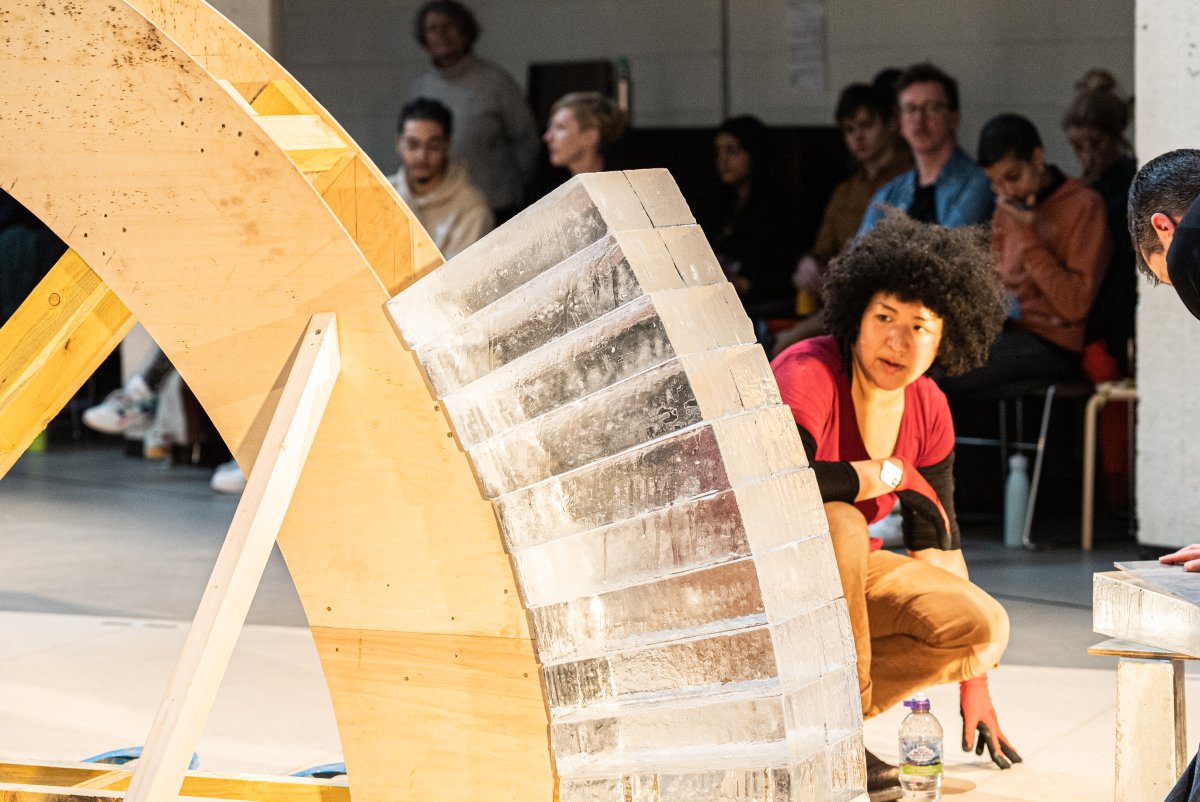 Arch-NTStudio-London-Credit_Fluxx_Films_©Barney_Witts.
While the interaction between artists and programmers worked well, the interaction with the citizens was more challenging. Citizens were defined of not being part of the cultural or artistic processes, but should be linked to public spaces.
A wide variety of citizens from different countries could meet and exchange. These included for example urban planners, NGO representatives and local decisionmakers. The concept for meeting for talking did not fully materialize as the groups were missing some (at least basic) orientation for why they meet and what they could bring forward together.
Practical Support for Creative Professionals in View of Cultural Rights
The project activities were complemented with some “more technical” activities. Based on previous projects, the In Situ network had already started to compile project results and fundamental information on how to create for and in public spaces. For example, composing for a performance on a square or in a forest differs substantially from indoor performances.
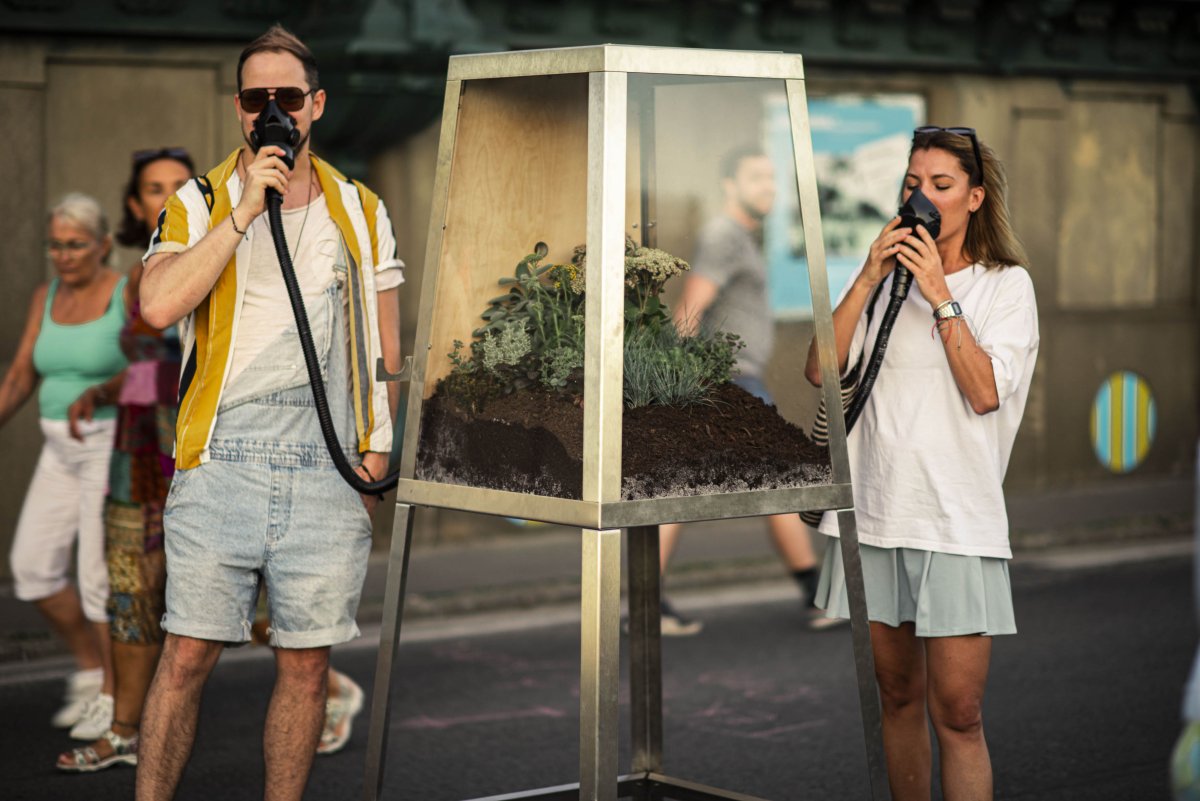 16 bublaeva lelegzesre kijelolt hely placcc2023 ©balogh attila.
Furthermore, selection processes of artists were modernised towards exchange and co-creation formats in order to overcome undemocratic hierarchies.
During the (Un)Common Spaces project, the first Massive Open Online Course - MOOC on Cultural Rights was developed, complementing IN SITU efforts with information on how citizens could be further involved and better understand their cultural rights.
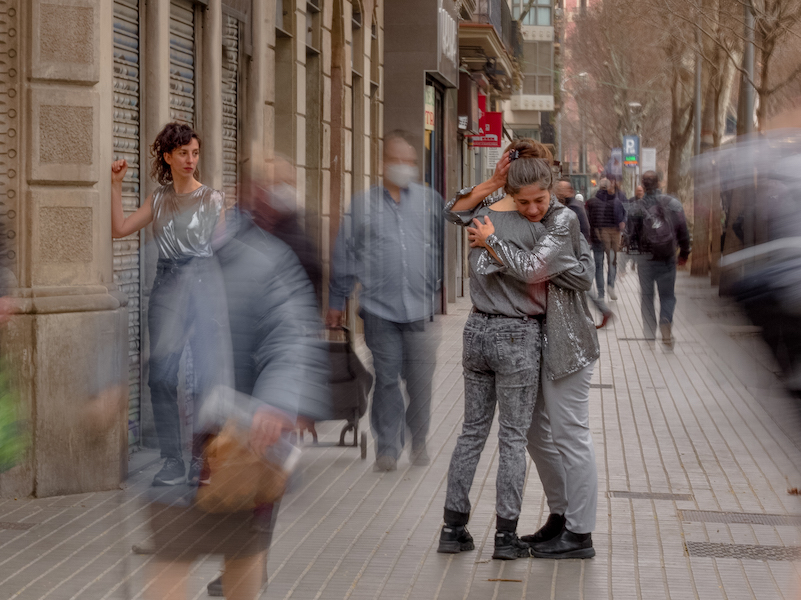 Big Bouncers - PLATA 18 ©Nora Baylach.
Key Takeaways

Pierre Sauvageot, Composer and Cultural Policy Expert - Pierre Sauvageot is a composer and an expert in cultural policy (European issues and creation in public space). He was director of Lieux publics, creation national center in Marseille, from 2001 to 2022, then including the coordination of the Cité des arts de la rue. He created and piloted the European network IN SITU from 2003, was a member of the panel of the European Capitals of Culture, and is currently an advisor for cities bidding as ECOC. His artistic projects are dedicated to the public space: Concert de public, Harmonic fields for 500 windmill instruments, Grand Ensemble for orchestras and buildings, or Water Music, a subaquatic concert.
Rosalie Gonzalez, IN SITU Coordinator - Rosalie Gonzalez: With 10 years of experience in the field of international cooperation Rosalie is specialized in the development, assessment, monitoring and implementation of ambitious cultural projects. She currently dedicates her skills and expertise to the development of the IN SITU platform to ensure it efficiently supports European emerging artists working with and for public spaces.