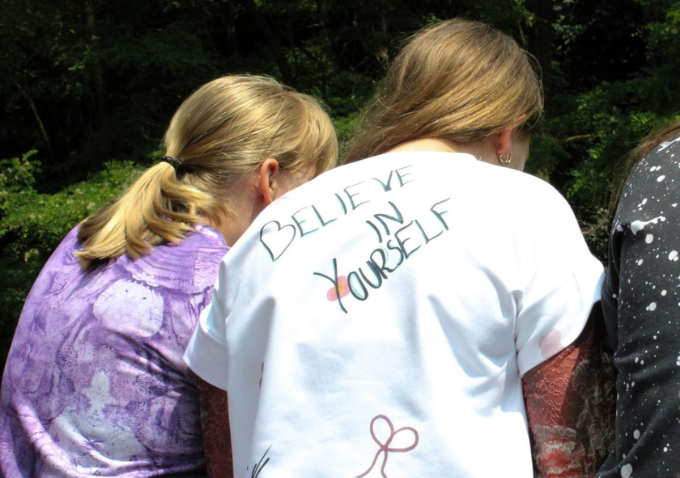



If you grew up wanting to own your favourite character’s long dress that could magically turn into a mini one, or an action hero’s suit that would instantly turn to regular clothes for disguise, then you will enjoy learning more about the Wear the Change Learning Lab! The project, implemented by Martina Marolt of BY MARTIS, encouraged the students of OŠ Ljubno ob Savinji in Slovenia to explore matters of creativity, sustainability, and intellectual property by designing their own modular sweatshirts.
By Goethe-Institut BrusselsThe Wear the Change Learning Lab in Slovenia, led by Martina Marolt of BY MARTIS, inspired students to explore topics of creativity, sustainability, and intellectual property through fashion. The participants designed their own modular sweatshirts with detachable sleeves, combining personal expression with eco-conscious thinking. Workshops covered sustainable vs. fast fashion, garment waste, and IP rights. The students gained hands-on experience in design and production, culminating in an exhibition of their work. The project sparked interest in careers in fashion and highlighted the value of active learning. Students and educators alike praised the initiative for its innovative, engaging approach to education and its lasting impact on participants.
If you grew up wanting to own your favourite character’s long dress that could magically turn into a mini one, or an action hero’s suit that would instantly turn into regular clothes for disguise. Then you will enjoy learning more about the Wear the Change Learning Lab! The project, implemented by Martina Marolt of BY MARTIS, encouraged the students of OŠ Ljubno ob Savinji school in Slovenia to explore matters of creativity, sustainability, and intellectual property by designing their own modular sweatshirts.
The students took on the role of designers and created their own patterns for the sweatshirts, expressing their creativity and interests. The combinations were endless, from pink-and-blue psychedelic colour combinations and beige, minimalistic creations to garments showcasing the Spanish coat of arms. But the unique characteristic of the sweatshirts they made lies in their versatility: the sleeves are detachable, so each child essentially has two garments in one – a sweatshirt and a t-shirt.
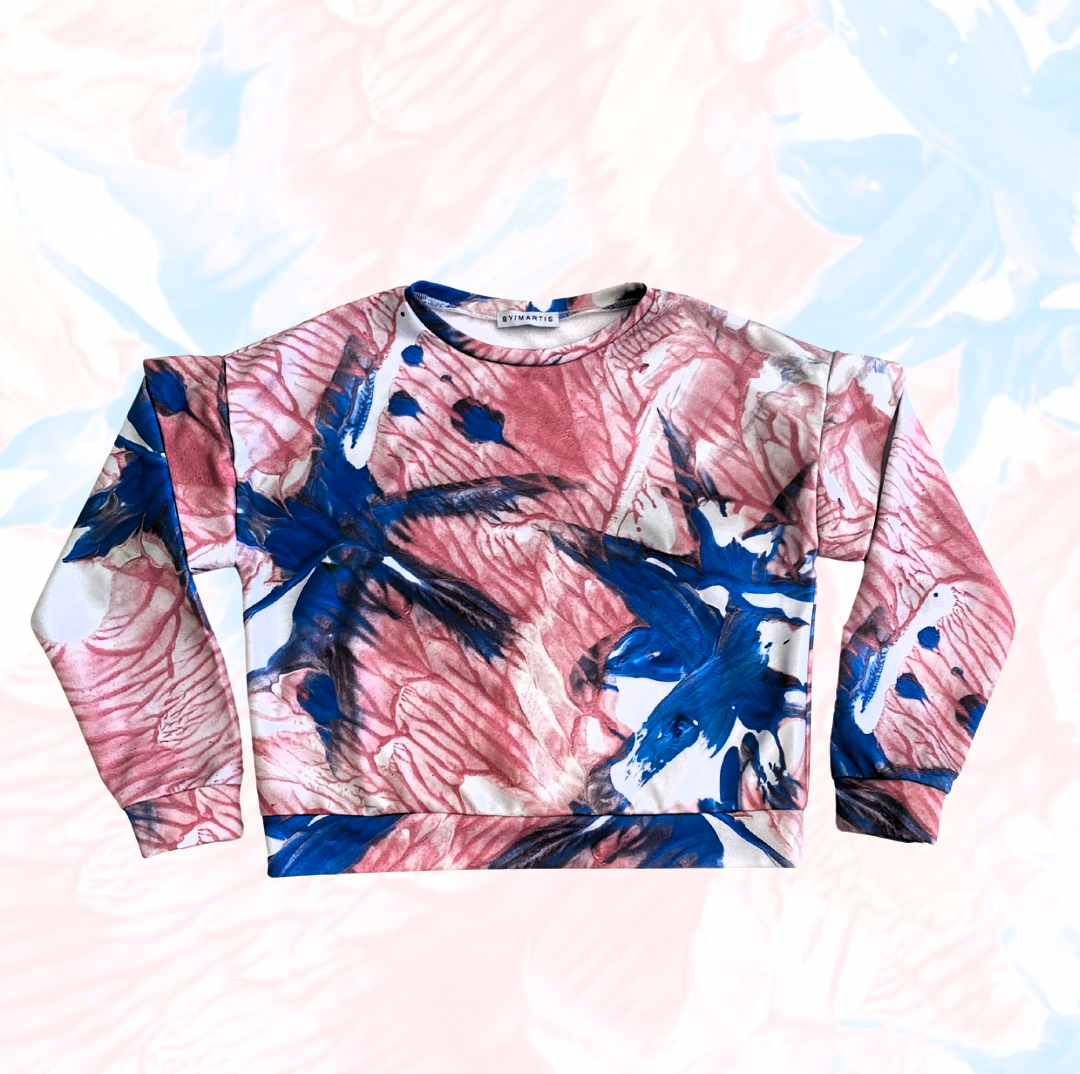
From visiting a sewing studio to hands-on pattern making, the students became fully immersed in the creative process. They collaborated to create a collective mood board for modular sweater designs and created unique patterns inspired by that. Afterwards, they had the chance to develop fashion sketches and learn the technical process of digitising patterns for fabric printing, gaining first-hand experience in industry-standard techniques. Finally, the students cut their own jumper pieces from organic fabric and added personalised embellishments.
The workshops also allowed the students to delve into multiple subjects linked to fashion, such as green practices and intellectual property (IP). During the first sessions, the students, under Martina’s guidance, delved into the differences between sustainable and fast fashion, the long history of fashion trends, and the global issue of garment waste.
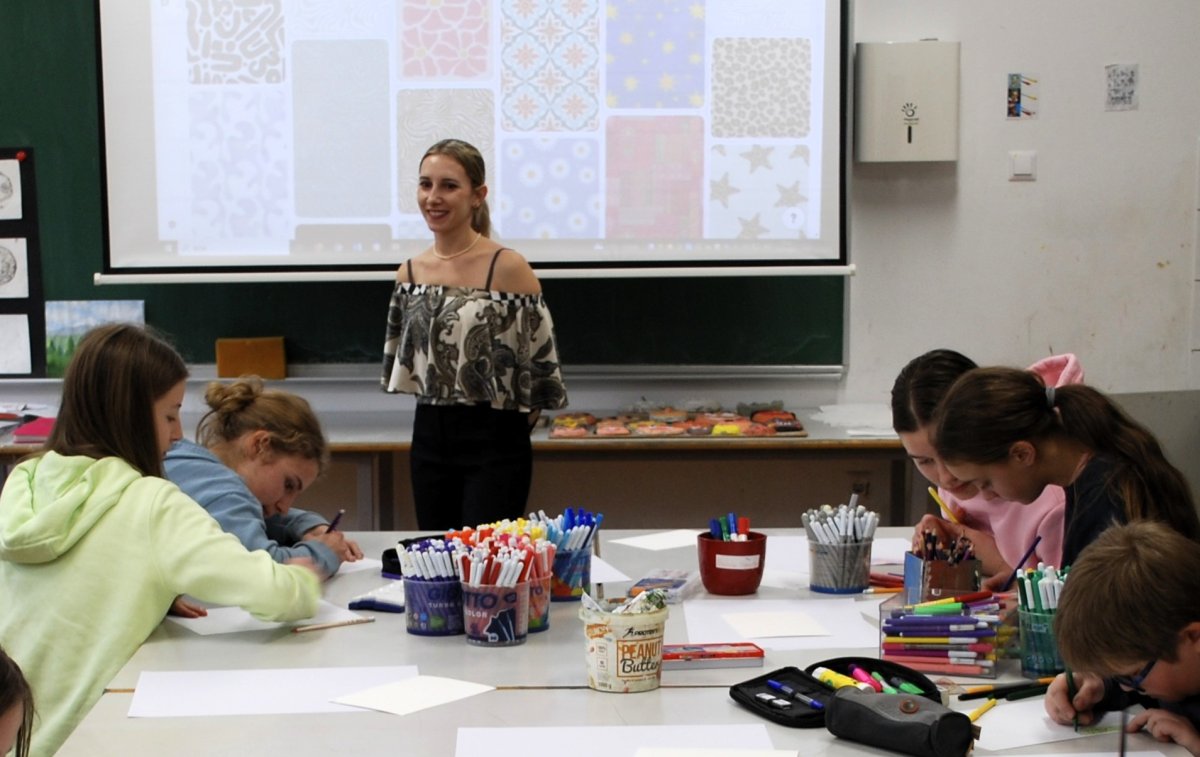
The discussion on those matters also influenced the workshop schedule. Martina adjusted the original plan by dedicating a whole session to IP, as she wanted to ensure that the children would comprehend it fully. Moreover, the students got to try out pattern design and see how the final piece comes to life.
The series of workshops was completed with an exhibition where the students showcased their creations. This was an opportunity for everyone to see what they created and how they brought together their personal creativity with sustainable fashion practices. Of course, the students got to keep their 2-in-1 sweatshirts!
Through seeing their design come to life, the students gained first-hand experience in garment production and the fashion industry. The complete process sparked their creativity, and some of them would even consider similar fields for their future career. Loti and Taja, two of the students that took part in the Learning Lab, shared that they “were able to express [their] feelings about art”, while appreciating “how much time and effort goes into creating a single piece”. The project showed that, when you actively involve the students, they will not only understand the different topics deeper but also have a sense of pride over their unique creations.
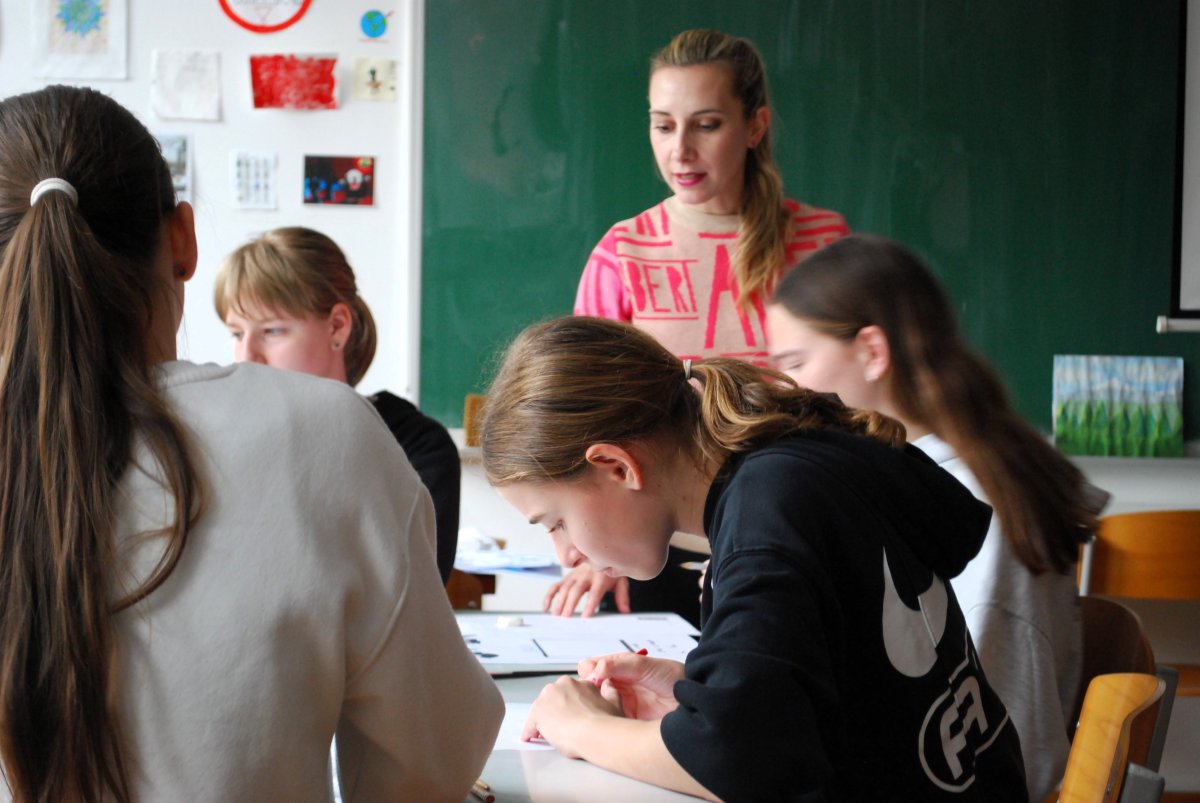
But the students were not the only ones feeling inspired after the project. Martina was very proud of the result of this collaboration as well. “For me personally, this was a valuable experience working with young people, and it reinforced my desire to continue teaching in this way,” she shared. The active engagement of the children who participated confirmed that actively involving them and giving them responsibilities in the creative process is beneficial for them. According to Martina, it’s crucial to engage the children in discussions, ask questions, and encourage them to speak their minds.
The feedback from the OŠ Ljubno ob Savinji school was also overwhelmingly positive. The people of the school appreciated the hands-on, innovative approach to fashion and creativity and the insights the students gained on the industry, something that they previously didn’t fully grasp. Leon Ravlan, the teacher of the participating students, described the impact of the activity as “positive” and observed that “the final products, which the students can now actually wear, carry a completely different weight compared to the typical art projects we usually create in the school environment.”
Maybe this project will encourage you to think differently about your own clothes and wear the change in your lives!
Photo shooting & Final event: Ana Zavolovšek
Remaining photos: Martina Marolt and Leon Ravlan
Key Takeaways

1. Martina Marolt, founder of BY MARTIS, is a sustainable modular women's fashion designer from Slovenia. Her mission is simple yet impactful: to empower individuals to create endless combinations with fewer clothes.
2. Primary School Ljubno ob Savinji. Martina Marolt worked with 8th-grade students during their Art Design II (“Likovno snovanje II”) classes, which focus on creativity, experimentation, and the connection between art and everyday life. As the first rural school in Slovenia with a smart classroom equipped with 3D printers and VR technology, it provided an inspiring setting for exploring sustainable and artistic innovation.