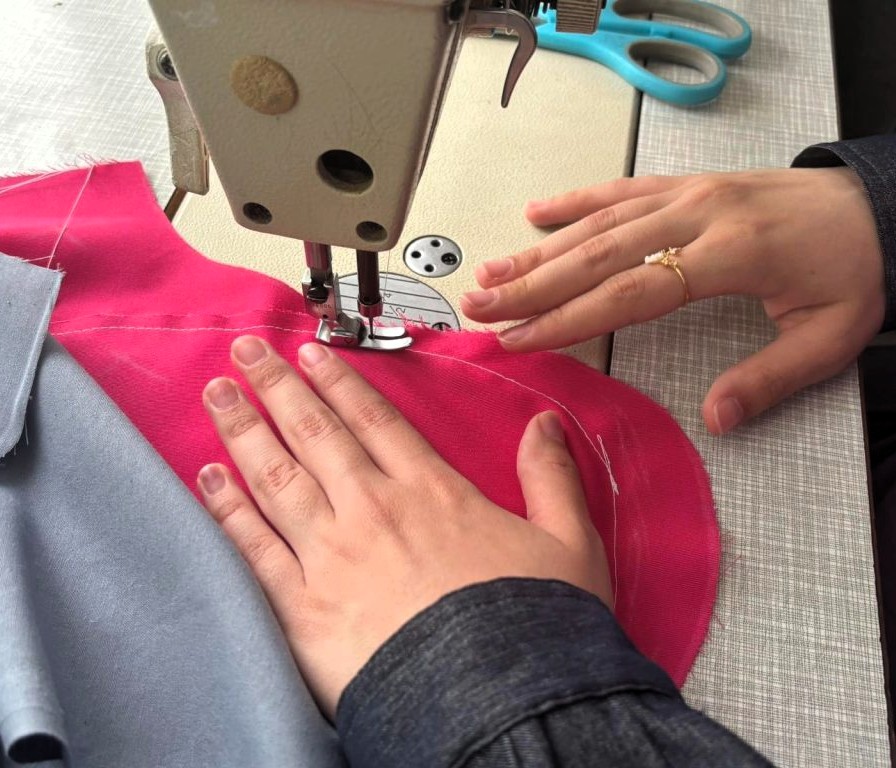




At the Technical School in Brčko, Magbago's Learning Lab empowered students to reimagine fashion through sustainability, creativity, and AI. By combining upcycling, innovative materials, and digital tools, the programme sparked a transformative learning experience, proving that even in resource-limited settings, meaningful change is possible when working cross-sectoral.
Over the course of six months, a group of 17- to 18-year-old fashion and design students of the Technical School in Brčko, Bosnia & Herzegovina, challenged their perceptions of fashion trends, technology, and sustainability. This was no ordinary curriculum—it was Magbago's Learning Lab, a Creative FLIP initiative supported by the Goethe-Institut in Brussels.
At the heart of the Learning Lab was a bold question. How can AI and creativity shape the future of sustainable fashion? Magbago's answer was to create a space where students could explore the intersection of upcycling, traditional craftsmanship, and cutting-edge digital tools.
The programme introduced students to real-world applications of artificial intelligence in fashion—from smart labelling technologies like NFC, RFID, and QR codes to predictive analytics for trend forecasting and inventory optimisation. These tools were contextualised within broader goals of transparency, supply chain efficiency, and personalised customer experiences.
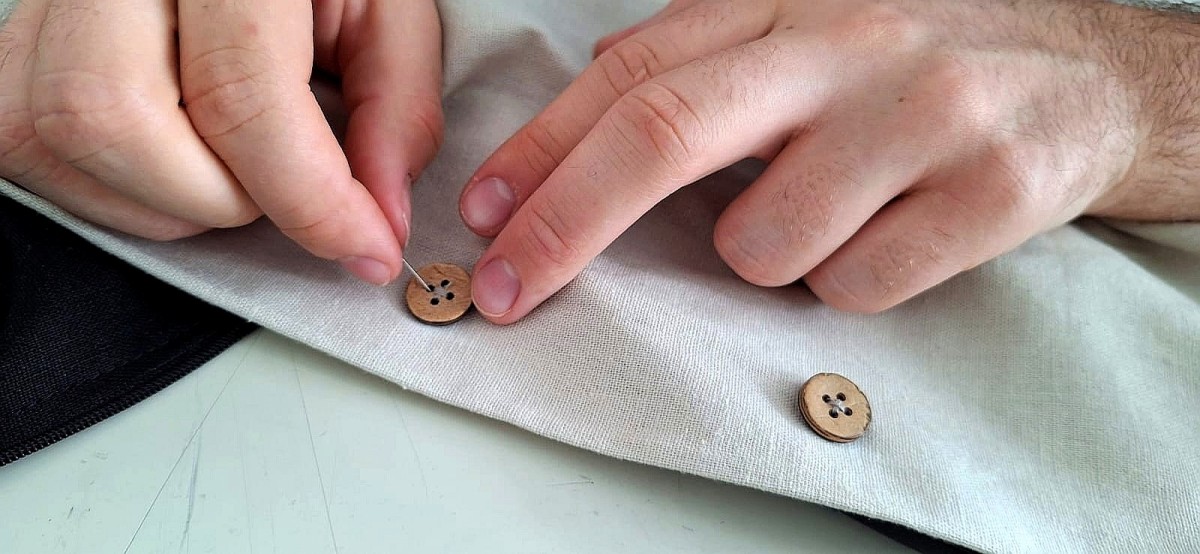
But the LLab didn't stop at tech. Students got hands-on with sustainable design, transforming discarded textiles into stylish, eco-conscious garments. They worked with recycled cotton, plant-based fabrics, and even materials derived from agricultural waste. The result? A mini fashion collection that was as innovative as it was inspiring.
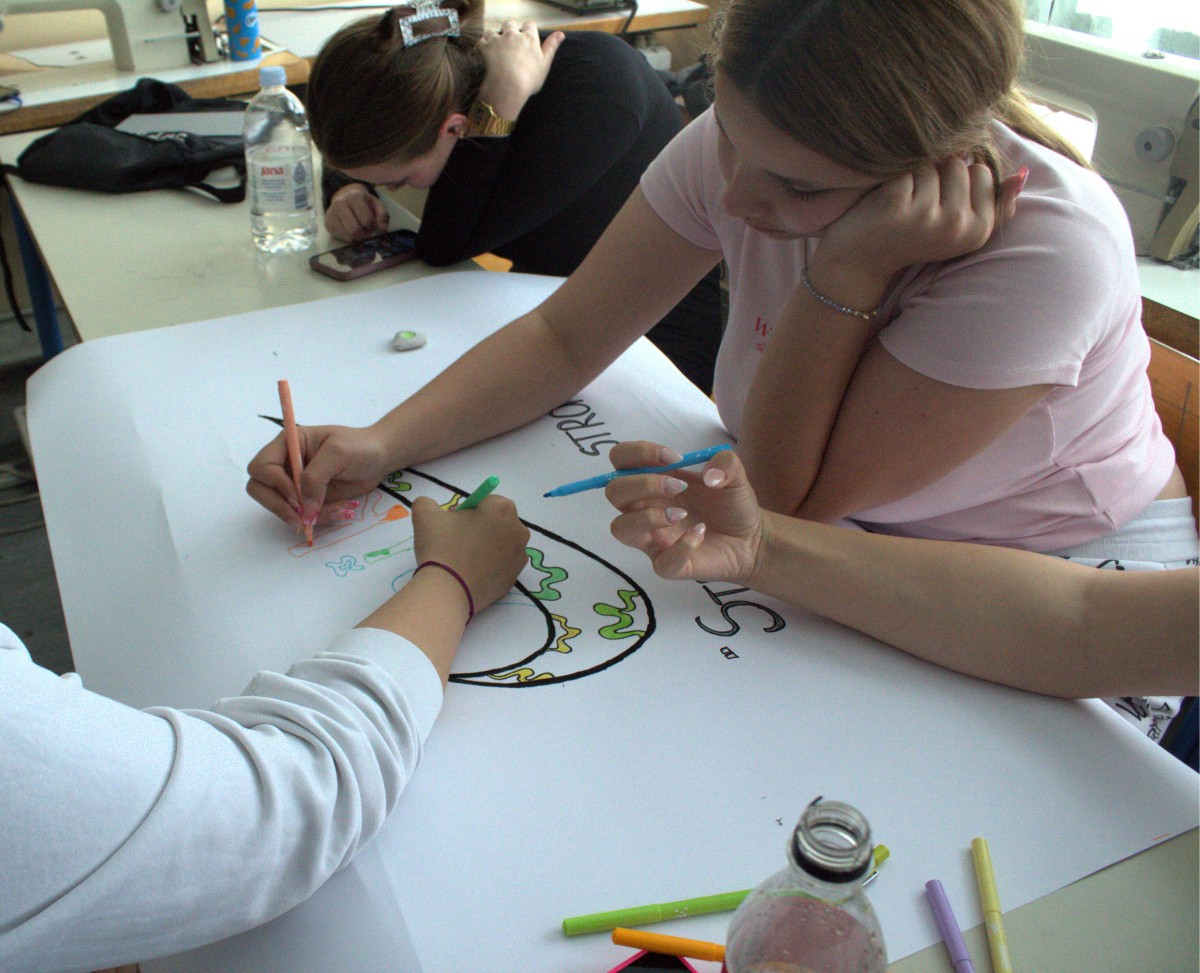
The Learning Lab was structured around six thematic workshops, each designed to build both technical knowledge and creative confidence. Topics ranged from sustainable fashion design and design thinking to intellectual property rights—an area many students had never considered before.
A pivotal moment came during a study visit to Kondor d.o.o., a local footwear processing facility. Students witnessed sustainable production methods firsthand and gained insight into material use and reuse, and the challenges of circular fashion.
This experience was complemented by practical workshops on creating their own sustainable fashion collection, enabling students to experiment with innovative materials, many of which are derived from agricultural and food waste.
Due to public procurement constraints, the school typically works with low-cost, polyester-based fabrics. This limits students' ability to experiment with higher-quality, sustainable textiles. The Learning Lab changed that.
Not only did students gain hands-on experience with innovative materials, but enough fabric remained to support future classes—an unprecedented opportunity in their curriculum. Magbago acted as a bridge between theory and practice, bringing real-world knowledge of sustainable fashion into the classroom.
Each student received the garments they had sewn as a gift from the school—a gesture that deeply motivated them and reinforced their sense of achievement. One student shared:
"Until now, we often worked on samples that weren't wearable at all. The colours didn't match, and sometimes we didn't even have enough fabric, so we couldn't sew things properly—it was tight, poorly fitted, and not really presentable. For the first time, I felt proud of what I had created and excited to show it to others."
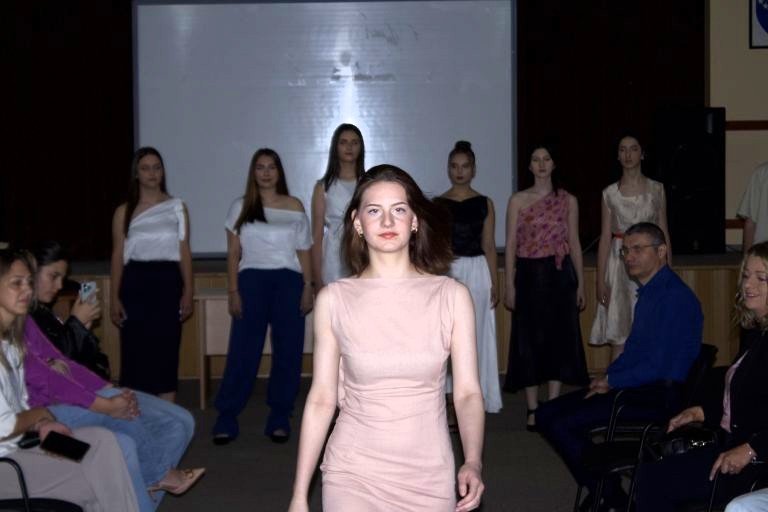
The final fashion show at the Youth Center in Brčko was a celebration of creativity and empowerment. Teachers even asked if similar pieces could be sewn for them or purchased, showing how the impact extended beyond the student group.
The impact of the Learning Lab extended far beyond the sewing machines and workshop walls. One of the most profound outcomes was a shift in mindset. Students began questioning their own consumption habits, paying closer attention to textile composition, and thinking critically about the environmental impact of their choices.
"This journey confirmed our belief that meaningful learning happens when students are empowered with the right tools, context, and support, and when their creativity and agency are genuinely respected," said Tamara Teodorović.
Institutionally, the school's leadership responded with tangible change. They reallocated funds to purchase new sewing machines and hire additional staff—directly influenced by the LLab's success. The Technical School in Brčko embraced the opportunity, using the Learning Lab to promote their textile and leather programmes during enrolment season, revitalizing vocational education in the region.
"I am very satisfied with the development of our Learning Lab. It not only fulfilled the initial goals but also exceeded expectations in terms of student engagement and institutional impact," reflected Tamara Teodorović.
Magbago's team received enthusiastic feedback from colleagues, who saw the Lab as a model for cross-sector collaboration. It reinforced the importance of exposing young people to real-world challenges and environmentally responsible solutions.
Participation in the Learning Labs programme not only enabled Magbago to test and refine its educational approach but also provided international visibility and credibility for their work in sustainable fashion. Being part of a European-wide initiative created opportunities for exchange with other creatives and institutions, inspiring new ideas and collaborations beyond the local context.
At the final showcase at the Youth Centre in Brčko, students proudly wore their own designs—garments made from high-quality eco-fabrics, tailored in standard sizes, and infused with personal expression. For many, it was the first time they had created something so tangible and meaningful.
Magbago's Learning Lab in Bosnia & Herzegovina proved that when young minds are given the tools, knowledge, and freedom to explore, they can reimagine entire industries. By blending AI, sustainability, and creativity, the LLab didn't just teach sustainable fashion and textiles; it empowered students, inspired teachers, and influenced institutional decisions.
"We are proud to have had the opportunity to inspire and support the next generation of designers who view fashion through a more conscious, responsible lens—one that respects people, the planet, and the future," Tamara Teodorovic reflected.
Images: Aleksandar Ganilović, Ilija Djordjic
Key Takeaways

Magbago - As a pioneer of sustainable fashion in Bosnia and Herzegovnia, Magbago is currently the only brand in the region using plant-based materials & technological innovation to push the sector’s boundaries.
The Technical School of Brčko District BiH, whose beginnings in vocational and technical education date back to the 1947/48 school year with the founding of the School of Apprentices in Trade, today provides education in various professional fields, including textile and fashion studies. Within the project, collaboration was established with class III/8 of the Fashion Design department, bringing together young creatives of 17-18 years old dedicated to developing skills in contemporary design and sustainable fashion.