
Digital technologies have transformed how images are created, copied and circulated, and few artists stand closer to this frontier than Belgian surrealist Benoît Theunissen. Working between analogue craft and AI-assisted processes, he uses Intellectual Property (IP) not as a technical afterthought but as a creative safeguard: a way to preserve authorship, prove provenance, and maintain artistic integrity in a rapidly shifting landscape.
By Intellectual Property Institute Luxembourg (IPIL)When digital tools reshape creative work at unprecedented speed, Belgian surrealist artist and photographer Benoît Theunissen stands at an unusual crossroads. His studio, Perspectives by Ben, is a place where analogue craft (e.g. polaroids, hand-cut collages, notebooks, etc.) meets cutting-edge digital techniques.
Yet behind this hybrid practice lies something far more strategic: a deliberate, evolving approach to IP, designed to preserve authorship, safeguard creative integrity, and enable controlled experimentation in a rapidly shifting technological landscape.
“The camera used to be the finish line; now it’s only the starting point”, he mentions. This shift requires not only creative reinvention, but also a clearer understanding of how authorship is established, proven and defended. Because, while on the one hand, his work blends photography, digital painting, collage and post-production techniques, on the other hand he uses AI-assisted components. His images reference the visual language of surrealism while exploring memory, dreams, archetypes and the friction between human and machine vision.
A Human Author Supported by AI
Benoît describes his workflow as an “ecosystem”: film photography, collage, glitch art, digital paint, archives of textures and symbols, and, when needed, AI for atmospheric or hard-to-capture elements. But across all these media, the artistic centre stays human.
He still keeps analogue journals filled with polaroids, sketches and written reflections. These become the conceptual foundation for digital works. AI may contribute fragments, but it never defines the image. “I delegate steps, never the vision,” he says. Everything is reshaped by hand until it fits the inner vocabulary of his universe.
This AI-integrated, yet human-centred approach has a solid IP dimension, especially in terms of ownership. He always documents his process, such as prompts, layers, tests, discarded versions to build up his personal record. These archives demonstrate originality and clarify authorship, which are essential in a world where algorithms can produce convincing imitations. “My studio is also my research lab. I test technologies, but I need to make sure they never erase my identity as an artist”, he underlines.
Although generative tools appear to “co-create,” Benoît sees them as technical assistants. European copyright law still hinges on human intellectual contribution, and he aligns his practice with that principle.
He begins with his own materials (photographs, drawings, texts) and uses AI only within the frame he sets. “AI is a paintbrush, not a signature”, he explains. By designing the project, directing the workflow, and making every final creative decision, he ensures the work remains fully authored and likely to be protected by author’s rights.
He also writes about his artistic intentions on his blog, making his methodology publicly visible. So, for him, transparency becomes part of authorship and his IP.

Protection in Practice: Safeguarding Work in the AI Era
Because much of Benoît’s work exists as digital files, blockchain has become an important component in the process of securing his IP. Minting a piece as an NFT on Ethereum creates a permanent, timestamped record of origin: a modern certificate of authenticity for artworks that could otherwise be copied, scraped, or reused without credit.
He approached NFTs not as a speculative trend but as a solution to a very concrete problem: the immateriality of digital work. Once minted, a piece has a traceable history that follows it across platforms, exhibitions and collectors’ archives.
Still, NFTs complement rather than replace traditional mechanisms: certificates, licensing contracts, and long-term partnerships with galleries. His “phygital” (semi-physical, semi-digital) exhibitions often combine blockchain-registered works with physical prints and audiovisual installations.
To protect his images, Benoît has built technical and contractual habits directly into his creative process. He uses:
- downgraded or lightly watermarked files online,
- high-resolution masters reserved strictly for collectors,
- clear licensing agreements defining allowed uses,
- explicit clauses forbidding AI training on his images,
- archived evidence of each work’s iterative development.
The iterative nature of his studio naturally supports IP protection: he keeps every prompt, sketch, RAW file and failed experiment. In the event of plagiarism or unauthorised AI training, he can demonstrate authorship and timeline with precision.
This systematic approach is not about defensiveness, it is about enabling the work to travel safely. Exhibiting, publishing or licensing internationally becomes easier when rights are clearly defined.
“IP is a way of making my ethics visible”
Benoît realised the importance of IP when he started working with more demanding clients and galleries. Professional partners expect clarity: rights of reproduction, adaptation, display, and cross-media use.
Today, half of his discussions with partners concern IP frameworks. This clarity does two things: (1) It protects the integrity of the work, ensuring it appears only in contexts aligned with its meaning; (2) It builds trust, because collectors, curators and institutions know exactly how a work can be used.
Licensing deals can also generate income during long creation periods, allowing him to sustain large-scale artistic projects while keeping his creative practice intact.
“My licensing agreements with clients, galleries and partners will become increasingly explicit about permitted uses (reproduction, licensing, a clear ban on training models on my images, credit requirements, etc.). This creates a clear framework if a work starts circulating in a way that was not intended”, he explains.
Overall, IP is an indispensable element for Benoît’s artwork, and he believes that every artist must pay attention to their IP rights and know how to deal with it especially in this rapidly changing AI era. Before running to his exhibition, his final words confirm the essentiality of IP for him: “IP is not just a shield; it is a way of making my ethics visible”.
Images - Courtesy of Benoît Theunissen
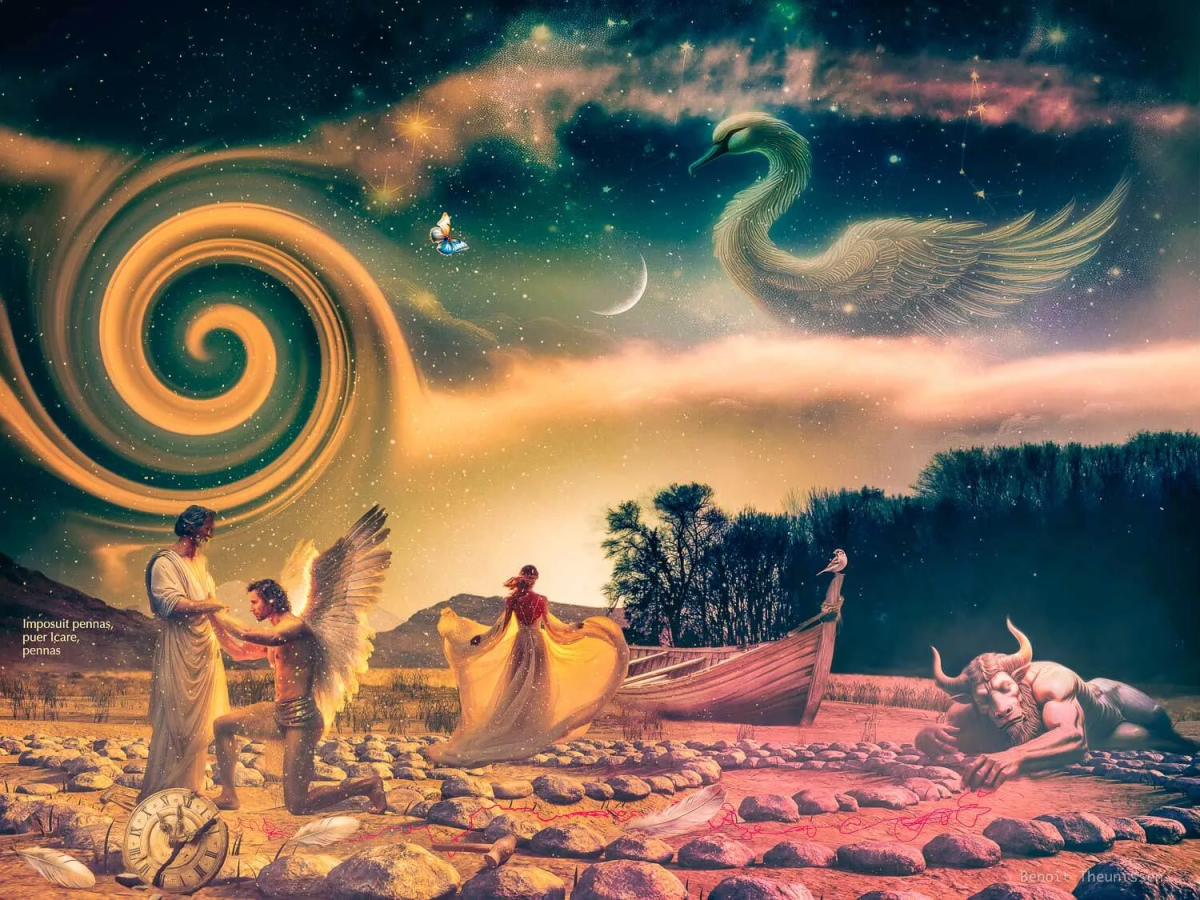
- Image 1: Wings of Wax and Trust
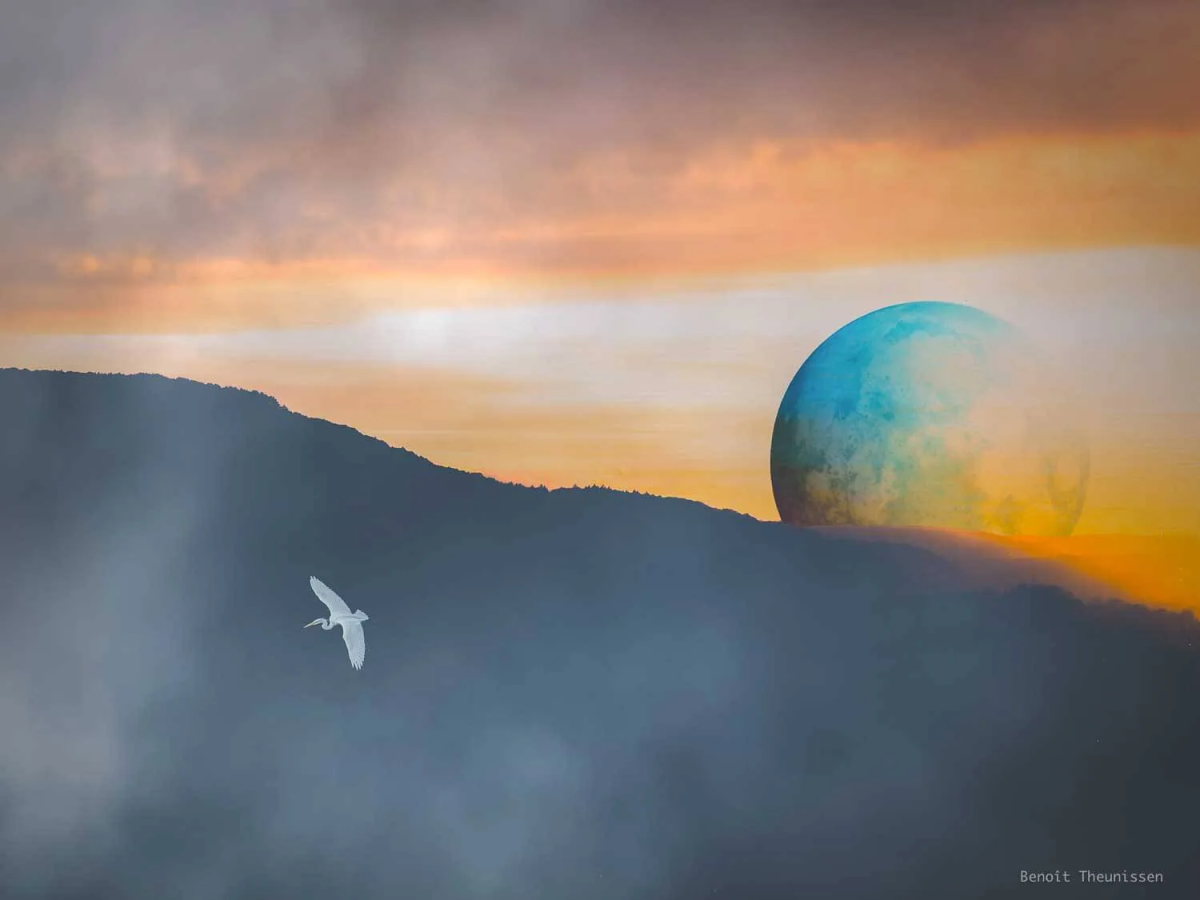
- Image 2: Otherworldly flight
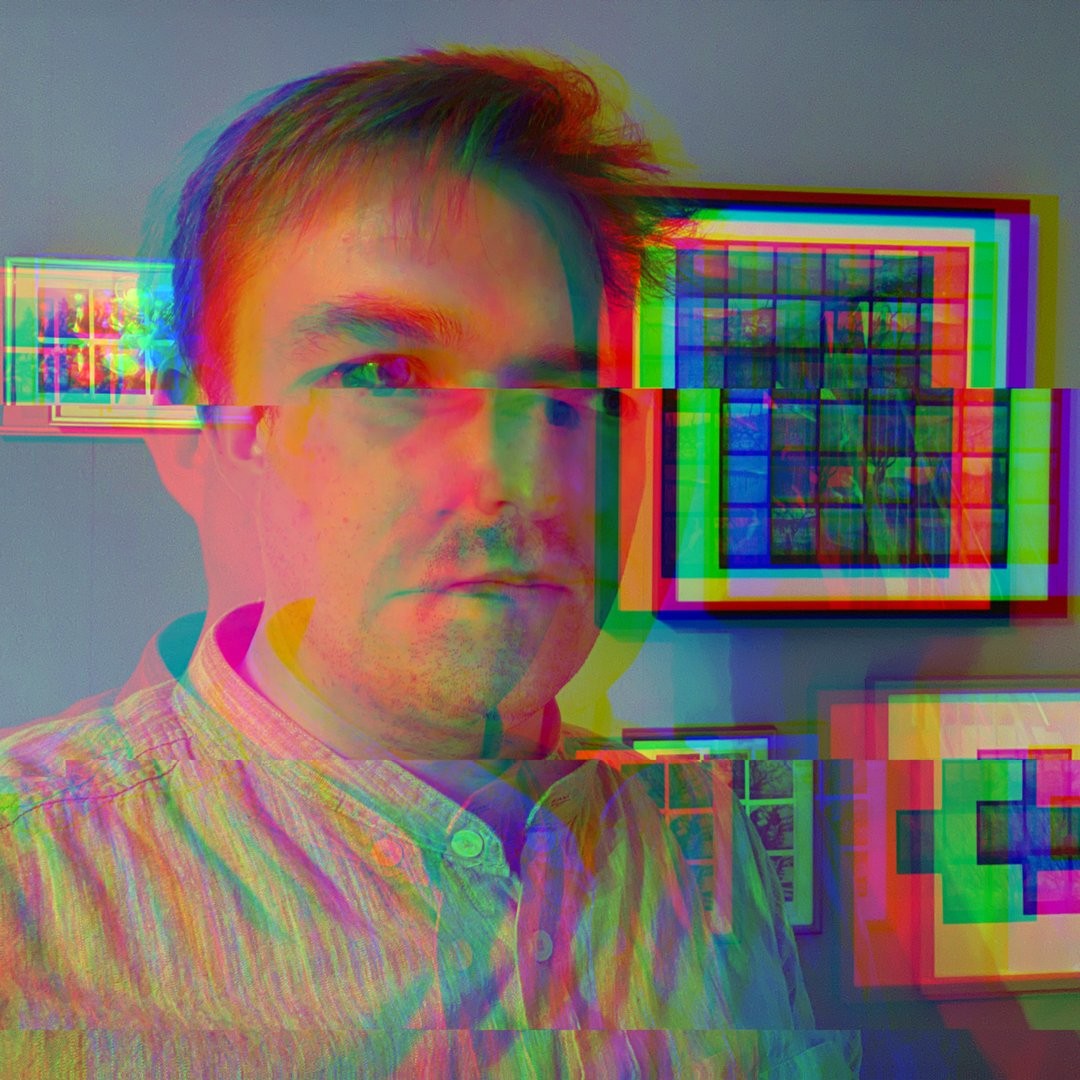
- Image 3: Benoit portrait
- Image 4: The night circus
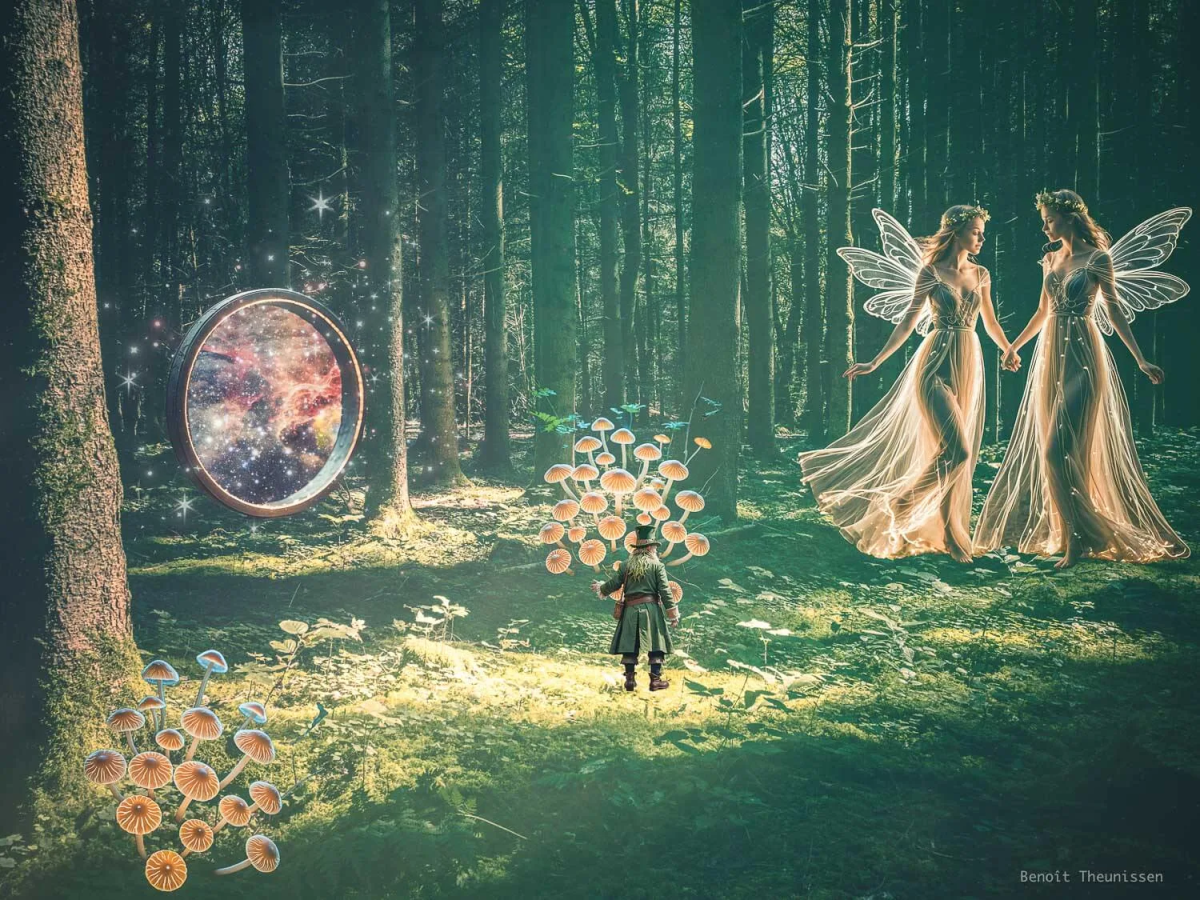
- Image 5: Portal to the cosmos
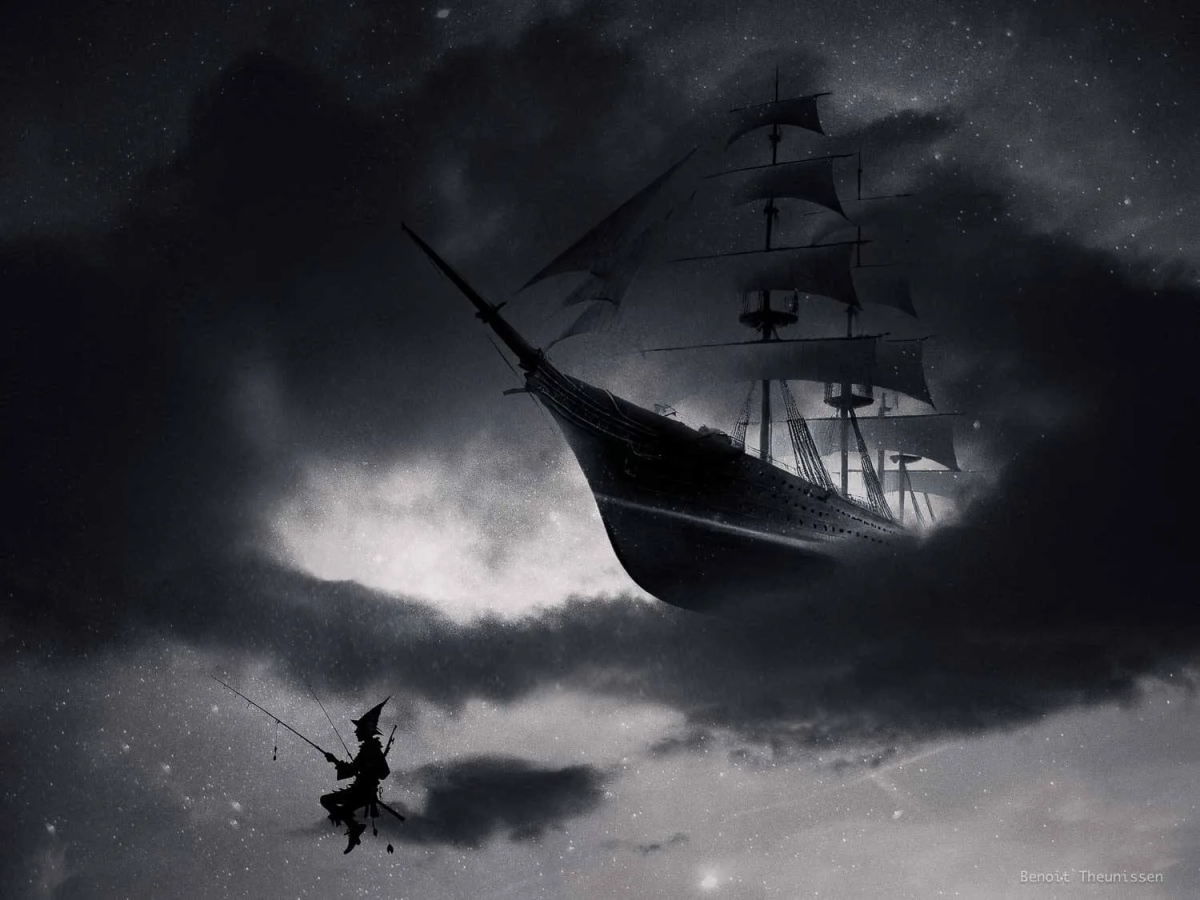
- Image 6: The dream vessel
This Case Study was created under Creative FLIP, an EU co-funded project aimed at further increasing the long-term resilience of the CCSI in key areas such as Finance, Finance, Learning, Working Conditions, Innovation & Intellectual Property Rights.
Key Takeaways

Benoît Theunissen - With a background in economics, international policy and journalism, Benoît Theunissen is a Belgian digital and visual multimedia artist based in Germany, working under the studio name Perspectives by Ben. His practice combines surrealist photography, collage, digital painting and AI-assisted creation, and extends to audiovisual and sound works and installations that blur the boundaries between reality and abstraction while questioning the impact of digital technologies on contemporary artistic practice.