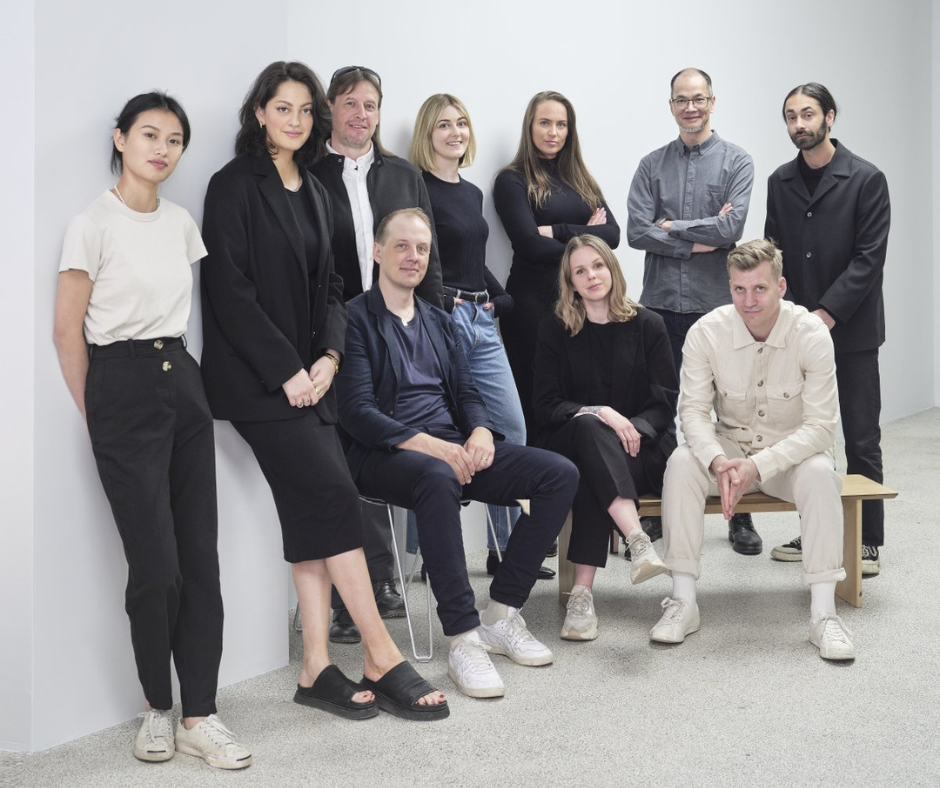




In a market dominated by disposable electronics, Swedish design brand Transparent set out to prove that design technology can be timeless. Founded by three passionate entrepreneurs; Martin Willers, Per Brickstad, and Magnus Wiberg, the company turns circular and original designs into lasting value, and shows how a clear IP strategy can transform minimalist aesthetics into a globally acclaimed award-winning brand.
By Intellectual Property Institute Luxembourg (IPIL)It all started with frustration, when designers and music lovers, Martin Willers, Per Brickstad, and Magnus Wiberg looked around and saw an industry trapped in short lifecycles: black boxes of technology sealed shut, built to break, and destined for landfill.
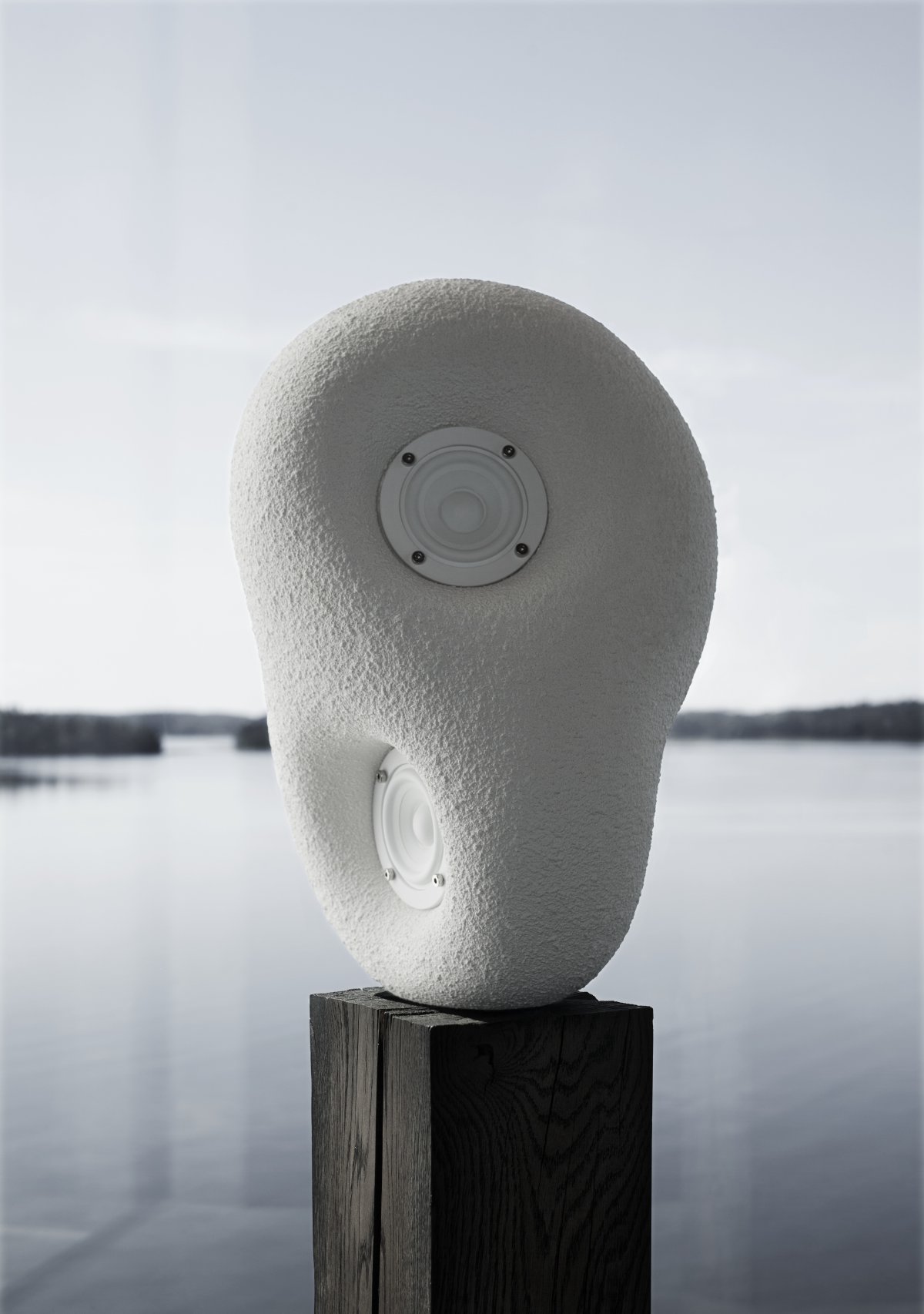
They wanted to prove that electronics could age gracefully. Inspired by timeless objects like a crafted chair or a mechanical watch, they envisioned sound systems that could last a lifetime, made of durable materials and designed to be repaired or upgraded rather than replaced. That vision became Transparent, a company born from the idea: “clarity in design should extend to materials, manufacturing, and business values”.
Martin, CEO and one of the co-founders of Transparent, recalls the company's first years with a warm smile: “When we launched the first sketches and mock-ups online, they went viral. The pre-orders from that post were what actually funded our first production.”
From the beginning, for the three founders, circularity and transparency were not slogans but structural principles. The name “Transparent” captured everything they stood for: openness in design, honesty in materials, and responsibility in production.
Building a Brand on IP Foundations
For Transparent, the unique design language is not only a visual identity but also the company’s core intellectual property (IP), therefore, protecting it became a matter of survival.
“As a design-led brand, IP is not just a legal shield; it’s the foundation of our value”, says Martin. “Our IP strategy is global, strategic, and capital-efficient. We can’t protect everything, everywhere, so we focus on our key markets and expand as we grow.”

Their approach follows a pragmatic rhythm: first securing trademark and design rights in core markets such as the EU, US, UK, and China, then scaling protection in line with business traction to give them visibility, flexibility and credibility.
Externally, partners and distributors recognise IP protection as proof of professionalism; internally, it boosts team confidence. It transforms their minimalist speakers and turntables from elegant products into defensible assets with long-lasting value.
Transparent’s Turntable, a symbol of their design ethos, won the EUIPO (European Union IP Office) DesignEuropa Award in 2024, a recognition that validated their philosophy of timeless sustainable design and their solid IP strategy.

For Martin, winning that award confirmed that good design is not just aesthetic, it is a form of innovation worth protecting. “Design protection turns our creativity into a tangible business asset. Without it, our work could easily be copied. With it, we own a piece of intellectual property that carries our identity”, he adds.
The award reinforced how design protection amplifies brand reputation, giving customers and collaborators confidence that Transparent’s design integrity is not only admired but legally safeguarded.
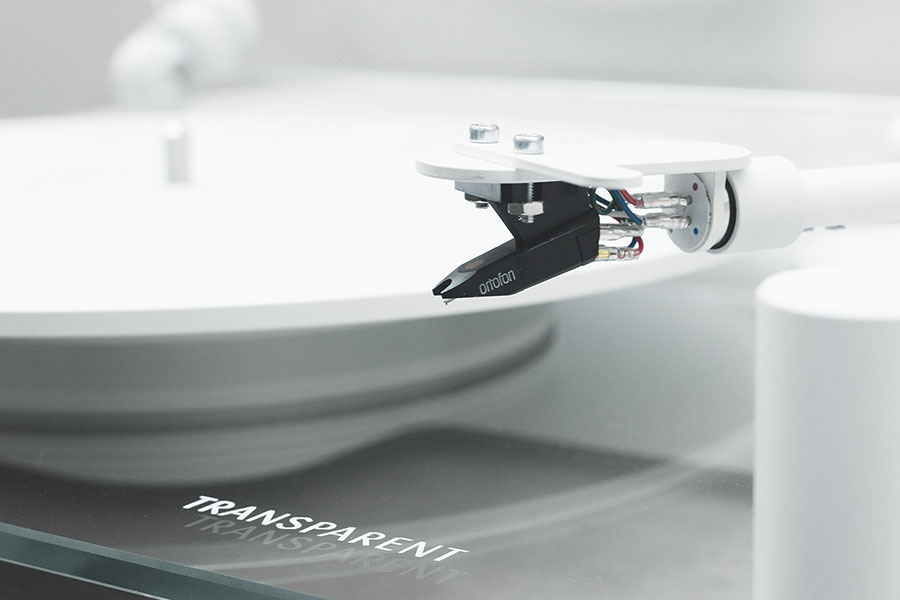
Transparent’s products are modular and upgradeable by design, embodying circular thinking. Yet, their protection strategy also mirrors that modularity to protect the “implementation”: the form factors, connectors, and the aesthetic unity across its system. Each product even includes a QR-linked digital passport tied to its serial number which is a gateway to warranty, upgrades, and compatibility verification.
“Our trademark acts as a seal of authenticity”, Martin explains. “It reassures users that each module or upgrade marked ‘Transparent’ will work seamlessly and ethically within our ecosystem.”
Through this multi-layered IP strategy that consists of both design and trademark protection, Transparent not only protects against imitation but also strengthens consumer trust in an era of fast turnover and cheap replicas.
Collaboration Through Clarity
Having an open business mindset, Transparent is also aware of the importance of cross-sectoral collaborations, such as the one with the fashion brand Coperni for the “Speaker jacket” (a Coperni jacket with integrated Transparent speakers) which shows how design and IP can intersect fluidly. –photo of the Coperni Jacket here

For Martin, in every partnership, clarity comes first: defining background IP (the existing intellectual assets, which for Transparent are trademarks and designs) and envisaging foreground IP (generated and often co-created intellectual assets). He believes that it is essential to discuss and establish ownership, scope, and duration with business collaborators before the creative process begins. For him, this creates a legal clarity that builds the trust between the partners and lets creativity flow freely.
By structuring IP agreements up front, Transparent transforms potential legal sensitivities into creative energy. It ensures that their background and co-created foreground IP assets remain protected, even as they cross into new industries like fashion and interior design.
Lessons from a Lean Global Brand
It is no surprise that for small, design-driven companies, managing IP also brings constant trade-offs. But Transparent learned early on that being strategic and pragmatic is essential. For them, IP is not an administrative burden but a growth engine: a way to build credibility and strengthen relationships.
Drawing from Transparent’s experience, Martin shares a couple of advice with fellow entrepreneurs:
Think about IP from day one. Early IP filings (trademark and design in our case, but it also applies to patents) establish legitimacy and attract investors.
- Be strategic, not exhaustive. Focus on markets that matter most.
- Frame IP as an asset, not an expense. Use it to signal professionalism and build long-term trust with partners and retailers.
- Transparent’s journey proves that IP is a growth tool, a business language, and a bridge between creative vision and commercial credibility.
Images:
All photos (except the Design Award photo): Courtesy of Transparent
Design Awards Photo: Courtesy of EUIPO
This Case Study was created under Creative FLIP, an EU co-funded project aimed at further increasing the long-term resilience of the CCSI in key areas such as Finance, Finance, Learning, Working Conditions, Innovation & Intellectual Property Rights.
Key Takeaways

Martin Willers, Co-founder & CEO of Transparent - Martin Willers is a serial entrepreneur and a leading voice in sustainable design and circular business models. As a Kickstarter "Global Thought Leader," Martin champions a new paradigm for consumer electronics, combining timeless, modular design with a commitment to longevity and repairability.