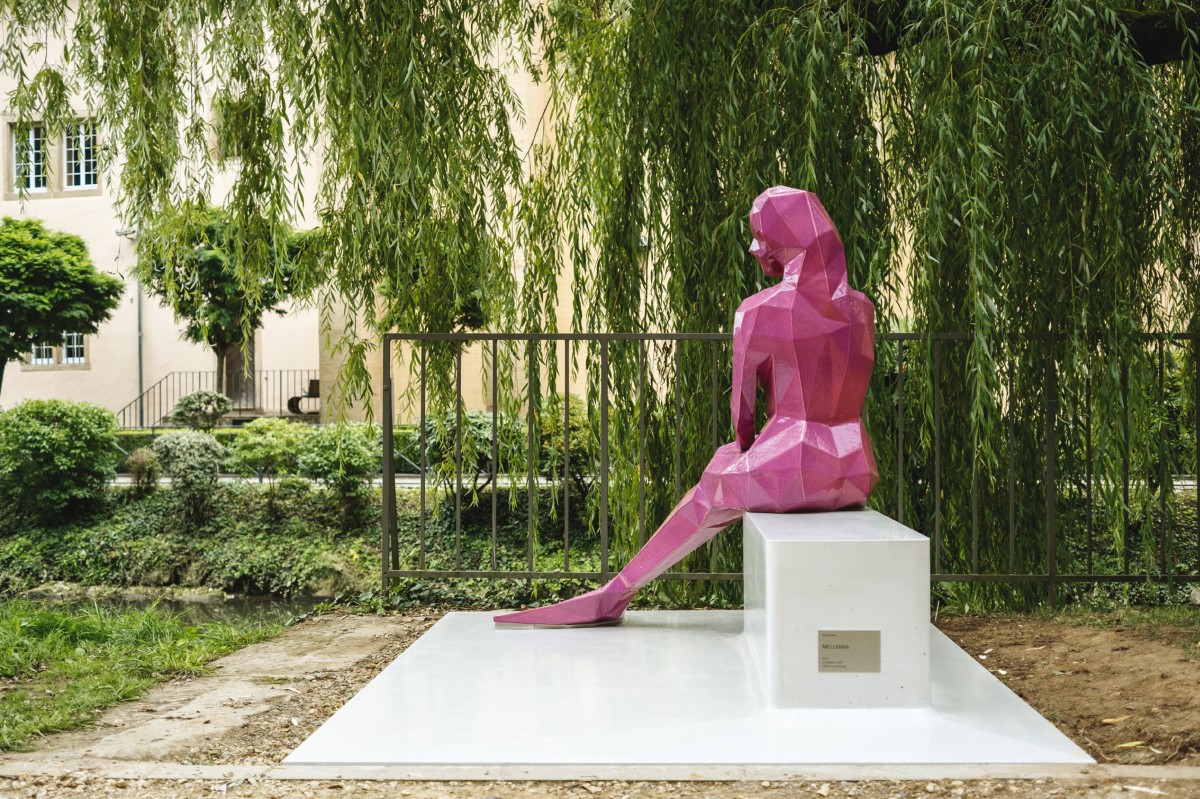



When his modern sculpture of Melusina, Luxembourg’s mythical woman, was copied without permission, digital artist Serge Ecker found himself confronting the new realities of authorship in an AI-driven world. His experience shows how legends survive through storytelling, but artworks survive through IP. This is a story about vigilance, community, and the quiet power of resolving infringement the right way.
By Intellectual Property Institute Luxembourg (IPIL)Serge Ecker never planned to become an artist. Trained in graphic design, 3D imaging and film, he spent the first years of his career in Germany creating special effects and later returned to Luxembourg to work in architectural rendering. His transition into the art world happened almost by accident, but not without challenges, as artworks can be used by third parties, including through AI tools, often without attribution or permission. This is his story.
To relieve the stress of commercial jobs, Serge Ecker created digital photomontages. One of them unexpectedly landed in the hands of curators, invitations followed, and soon exhibitions became frequent enough that he had to choose: remain in commercial production or step fully into artistic practice?
Serge chose art. “Becoming an ‘artist’ is the result of a series of coincidences and a process”, he notes, describing a career shaped as much by instinct as by opportunity. His practice, rooted in digital modelling, geolocation and 3D technologies, would later position him at the centre of one of Luxembourg’s most interesting recent IP cases.
And it all began with Mélusine, the beautiful lady sitting on the ruins of a castle more than a millennium ago (following legend of Melusina adapted from here).
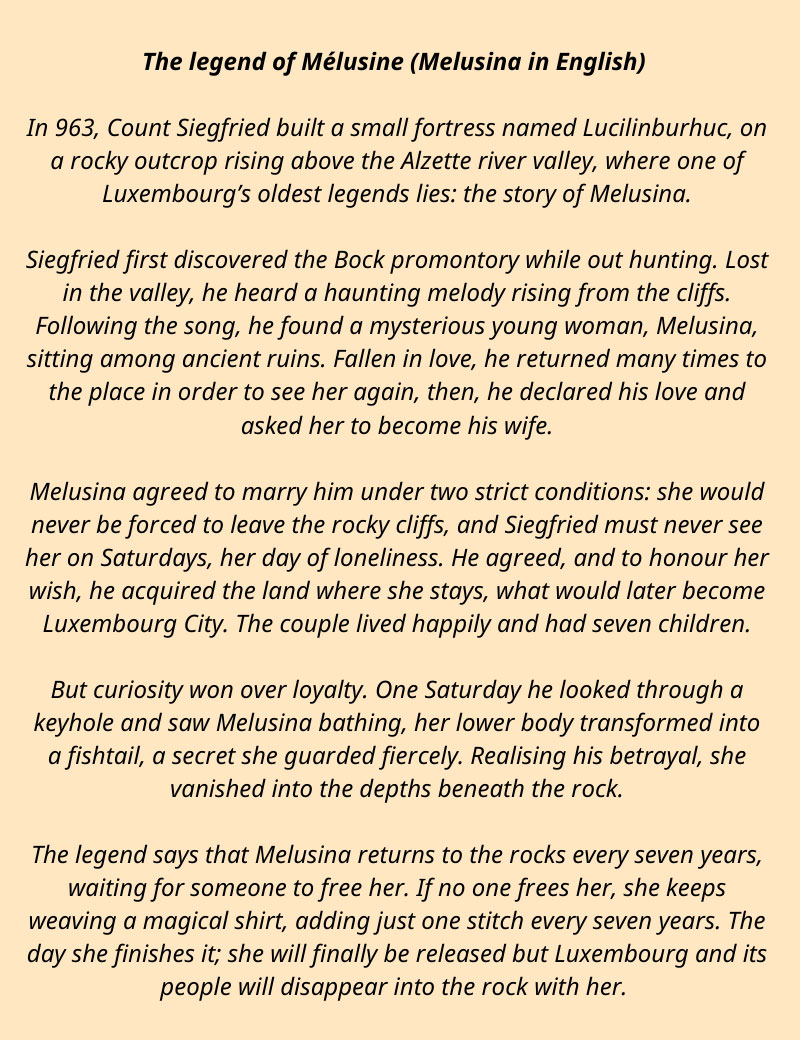
The making of a digital icon: Melusina
In 2013, a competition was launched to create a sculpture celebrating the 1050th anniversary of Luxembourg City. Serge was at a turning point in his career, moving from commercial rendering toward independent artistic work, and this competition had the potential to become a cornerstone of his new artistic path.
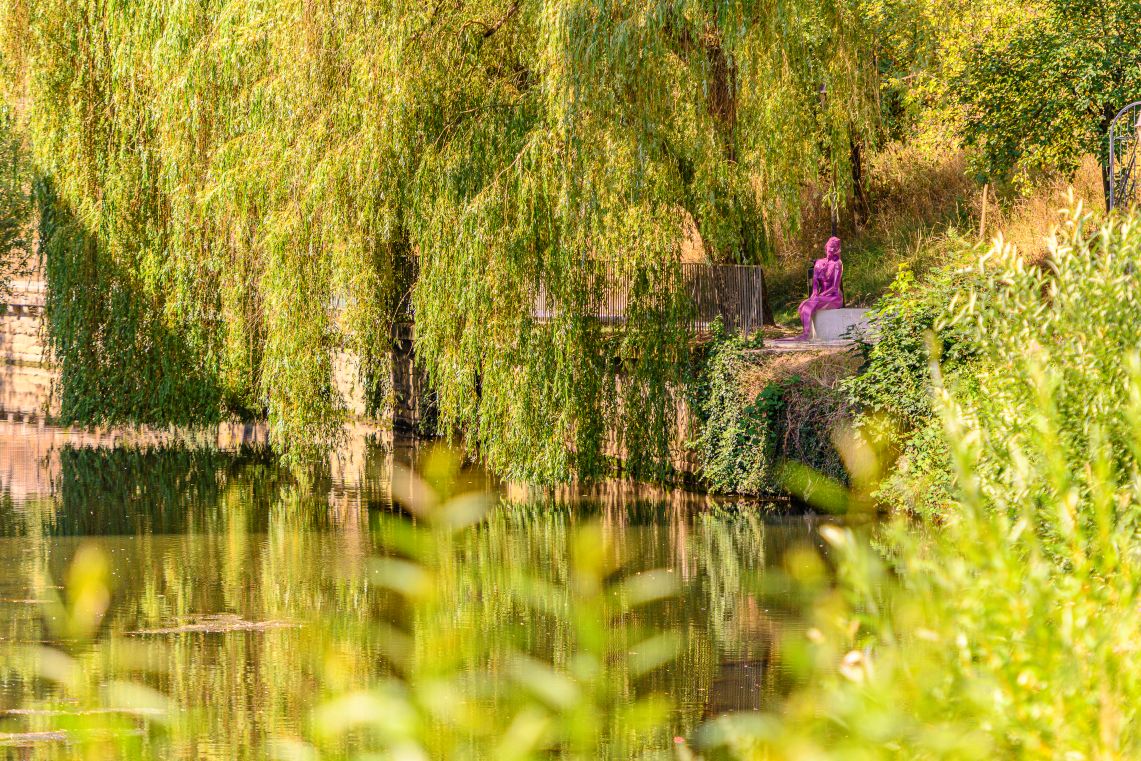 © Luxembourg City Tourist Office - Marc Lazzarini
He began with a 3D scan of a real woman. This model was then exported, imported and degraded step-by-step across various 3D programmes. Each transfer stripped away polygons, reshaping the figure into a low-poly, video-game-like version of itself. Once he reached a stage he found compelling, the model was milled using CNC machinery and finally produced in traditional Pirogranit ceramic by artisans in Hungary.
The result was a hybrid: a fully digital aesthetic made tangible through craftsmanship. It became one of Luxembourg’s most recognisable contemporary artworks, standing between tradition, technology and urban identity.
The infringement: Melusina reappears… without permission
Years later, Melusina resurfaced in an unexpected context.
A friend sent Serge a promotional image featuring an AI-generated reinterpretation of his sculpture. A campaign using this reinterpretation had been launched without his knowledge, without a licence, and without any kind of attribution. What looked at first like an AI experiment was in fact a commercial communication built on his artistic work. “I wasn’t aware of this use of my work” he recalls and adds: “A friend sent me the campaign visuals featuring my artwork and asked if I knew about it!”
The discovery initiated a frustrating but familiar process for many creators: tracking down the source, finding who was behind this visual, and asserting his rights. After several calls and emails, he reached the responsible party, who admitted they had bypassed him unintentionally because they hadn’t been aware that the Melusina image used in their campaign was a protected artwork created by him.
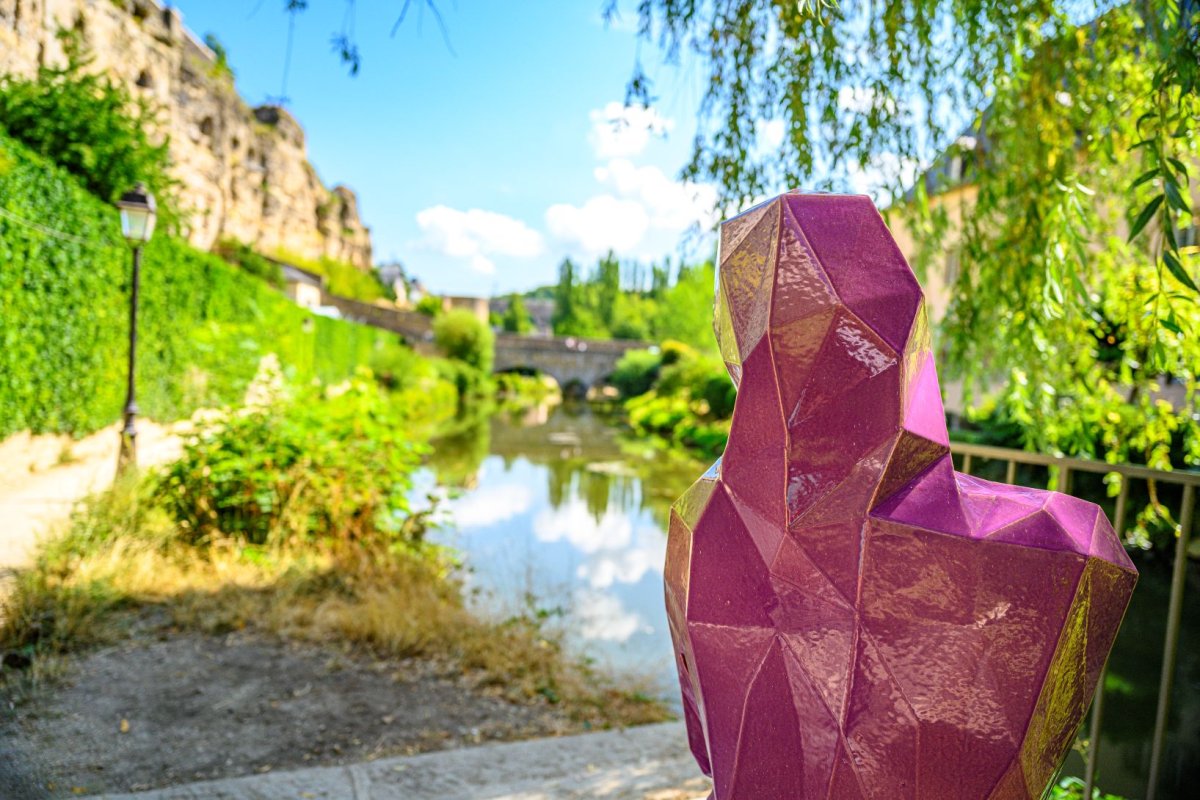 © Luxembourg City Tourist Office - Marc Lazzarini
Serge’s reflection on the experience is honest and grounded: “As a one-man show, I have so many things to deal with that IP often comes not the first. Thus, I just wanted it resolved quickly, and they complied as soon as they understood what they did was both legally and ethically wrong”.
Like many individual artists, he faces constraints of time, resources and visibility. But the Melusina case taught crucial lessons: the importance of community vigilance, the fragility of visual works in the age of AI, and the challenges artists face in proving authorship when images can be scraped and mimicked instantly.
In addition, the Melusina incident also raised Serge’s IP awareness. Since then, he pays deeper attention to image rights, licensing conditions and usage boundaries. For him, IP is not just a legal topic anymore. “I am, now, trying to take IP quite seriously when exploiting my rights. Also, now, I pay attention to IP rights when working with open data, or generating a digital content”, he admits.
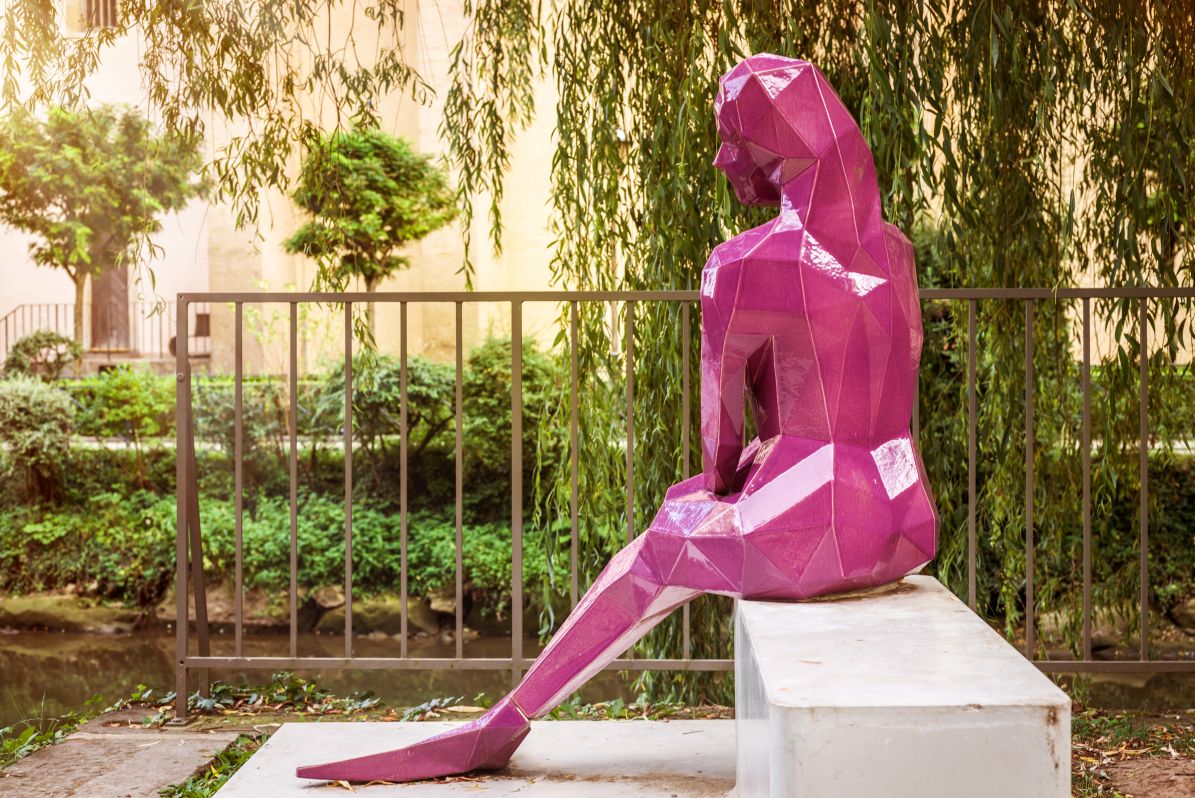 © Luxembourg City Tourist Office - Sabino Parente
Lessons Learnt
Serge believes IP literacy is necessary, not optional. But he recognises that individual artists rarely have the time, budget or legal expertise to manage everything alone. His advice is pragmatic: join communities, seek support, and never isolate yourself.
He points to associations such as the AAPL (Association of Visual Artists in Luxembourg), which help create the “critical mass” necessary to be taken seriously, especially in policy and business contexts. These networks also raise awareness of artists’ rights and give creators the tools to stand on equal footing when negotiating or defending their IP.
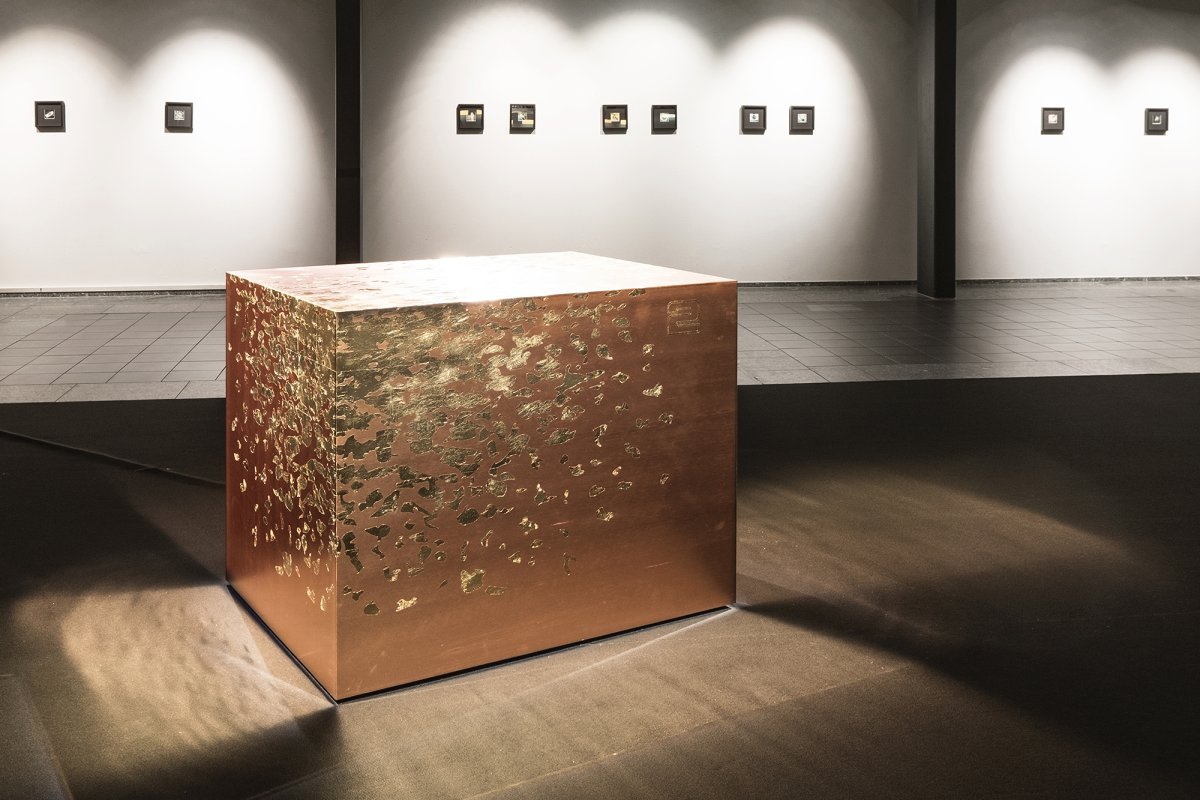 “FUKUYU_2 sculpture”, Courtesy of Serge Ecker.
This discipline protects him as much as it protects others. As technologies evolve, especially AI-driven workflows, artists must be able to prove their ownership and enforce their rights if their work is copied, adapted or commercialised without permission.
In Serge’s case, the careful use of his own materials, clear licensing terms when he collaborates, and a growing awareness of attribution norms have become part of his artistic practice.
And yes, in the meantime, we are still waiting for someone brave enough to free our beautiful Melusina before she completes the final stitch.
Image in Header - Courtesy of Serge Ecker.
This Case Study was created under Creative FLIP, an EU co-funded project aimed at further increasing the long-term resilience of the CCSI in key areas such as Finance, Finance, Learning, Working Conditions, Innovation & Intellectual Property Rights.
Key Takeaways

Serge Ecker, Independent Artist: Trained in digital imaging and special effects, the Luxembourgish artist, Serge Ecker is interested in the representation of reality through the prism of new technologies: software for recomposing spaces, geolocation images and 3D printers are the tools of this neo-sculptor of space and architectural form.