

The Learning Lab Remix The School invited students aged 9–11 to turn food waste into biomaterials, blending artisanal techniques with digital fabrication. Despite Covid-19 restrictions, this Learning Lab transformed a school into an innovative hub for green, creative and future-read learning.
A case study from the Creative FLIP Learning Labs 2020/21
Remix The School (RTS), co-created by Fab Lab Barcelona and Escola Sant Martí, invited students aged 9–11 to design biomaterials from food waste using artisanal and digital fabrication techniques. Despite COVID-19 restrictions, RTS adapted through remote support and teacher-led sessions. Outcomes included the RTS Methodology, tutorials, and tools for classroom implementation. Students gained awareness of food and plastic waste, while teachers learned innovative teaching practices and digital tools. Families valued the project’s impact on environmental consciousness. The LLab proved that co-creation and adaptability can transform schools into creative, circular learning ecosystems.
Remix The School (RTS) started as a Learning Lab but quickly became a movement co-created by the vibrant ecosystem of Escola Sant Martí and Fab Lab Barcelona. Its mission was to accompany children on their journey toward a sustainable, creative, and free life through experiential and active learning. Between December 2020 and March 2021, RTS invited students aged 9–11 to express themselves artistically while learning to design their own biomaterials using food waste.
From the outset, RTS embraced co-creation. School management, teachers, and families were integrated into the process, ensuring trust and shared ownership. This approach was crucial when unexpected challenges arose: strict anti-COVID-19 measures disrupted the original plan of in-class sessions. Instead of halting progress, the team adapted. Most sessions moved online and asynchronous, with teachers stepping into leadership roles for practical activities. This shift, though unplanned, strengthened trust and empowered educators so much that they planned to replicate the project the year after.
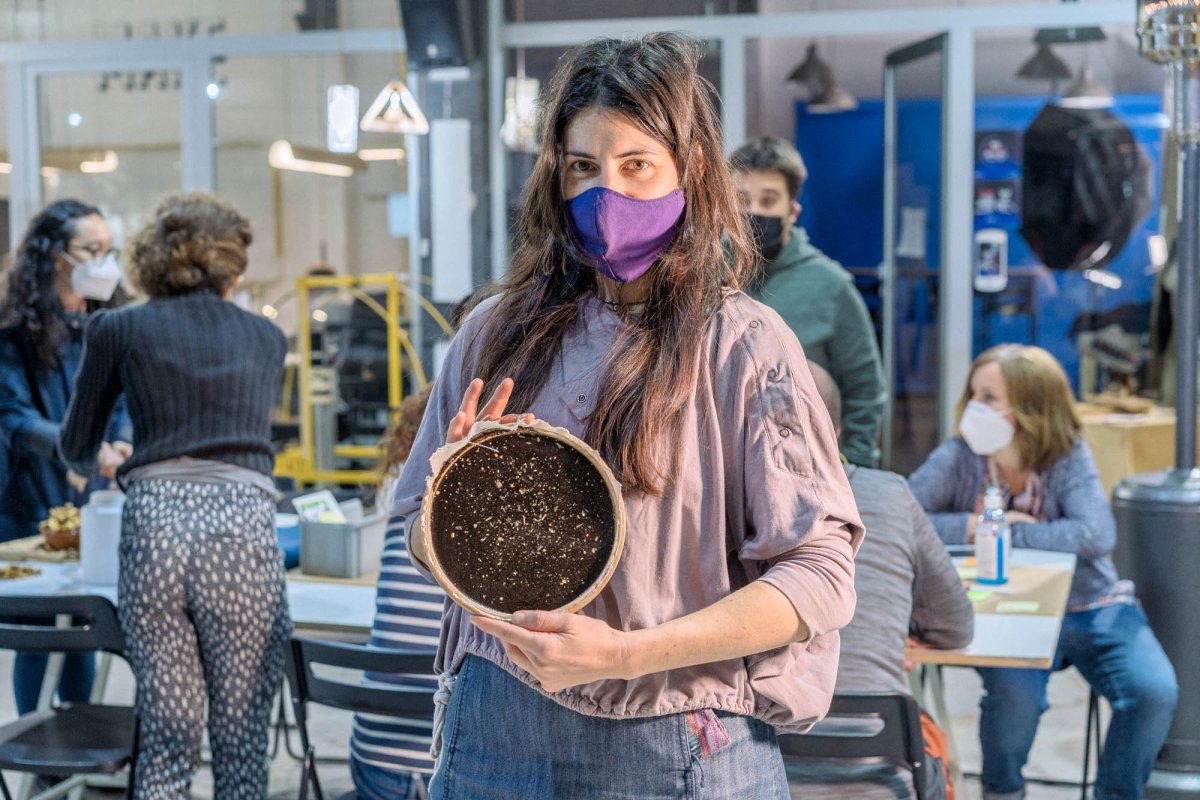
Learning Through Making
Despite the hurdles, the project maintained its structure and number of workshops. The RTS Methodology emerged as a cornerstone of the experience, guiding students through four creative stages:
- Preparation: Collecting organic waste, drying and shredding raw materials, and preparing moulds.
- Cooking: Implementing recipes in the kitchen, transforming waste into biomaterials and casting them into moulds.
- Care: Observing the drying process, using senses to track the transformation from liquid to solid, flexible or rigid depending on execution.
- Imaging: Once dry, materials revealed unexpected shapes. Students asked, “What does it want to be?” Through the Silent Game, they imagined new uses and meanings for their creations.
This hands-on approach combined artisanal techniques with digital tools like Tinkercad, fostering problem-solving, creativity, and critical thinking. Students explored sustainability, circular economy principles, and the evolving properties of biomaterials.
Overcoming Challenges and Building Trust
The pandemic forced RTS to innovate its delivery. Remote support became essential through video tutorials, Miro boards, and WhatsApp conversations which kept teachers and students connected. Teachers valued this accompaniment highly, noting how it enabled them to apply new techniques confidently. Families appreciated the project’s impact on awareness as students began discussing food waste at home, sparking conversations beyond the classroom.
While the project succeeded, feedback highlighted one limitation: time. Teachers and students wanted more opportunities to refine techniques and create biomaterials with defined shapes.
Outcomes and Impact
RTS delivered tangible tools and resources:
- Remix The School Methodology for classroom implementation.
- Assessment Canvas and Miro Board for planning and reflection.
- Video tutorials and a step-by-step guide for cooking biomaterials.
- The Silent Game for creative exploration.
- A storytelling piece, The Tale of Food and Plastic Waste, to inspire awareness.
Beyond resources, the project further achieved cultural and educational impact. Teachers gained new methodologies, techniques, and digital tools. Students learned biomaterial recipes, experimented with local resources, and understood the environmental impact of waste. Families observed increased awareness and creativity in their children.
Perhaps most importantly, RTS demonstrated resilience and adaptability. It showed that even in times of disruption, education can remain creative, collaborative, and transformative.
As Escola Sant Martí replicated RTS the following year, the vision of a maker-minded, sustainable school community moved even closer to reality.
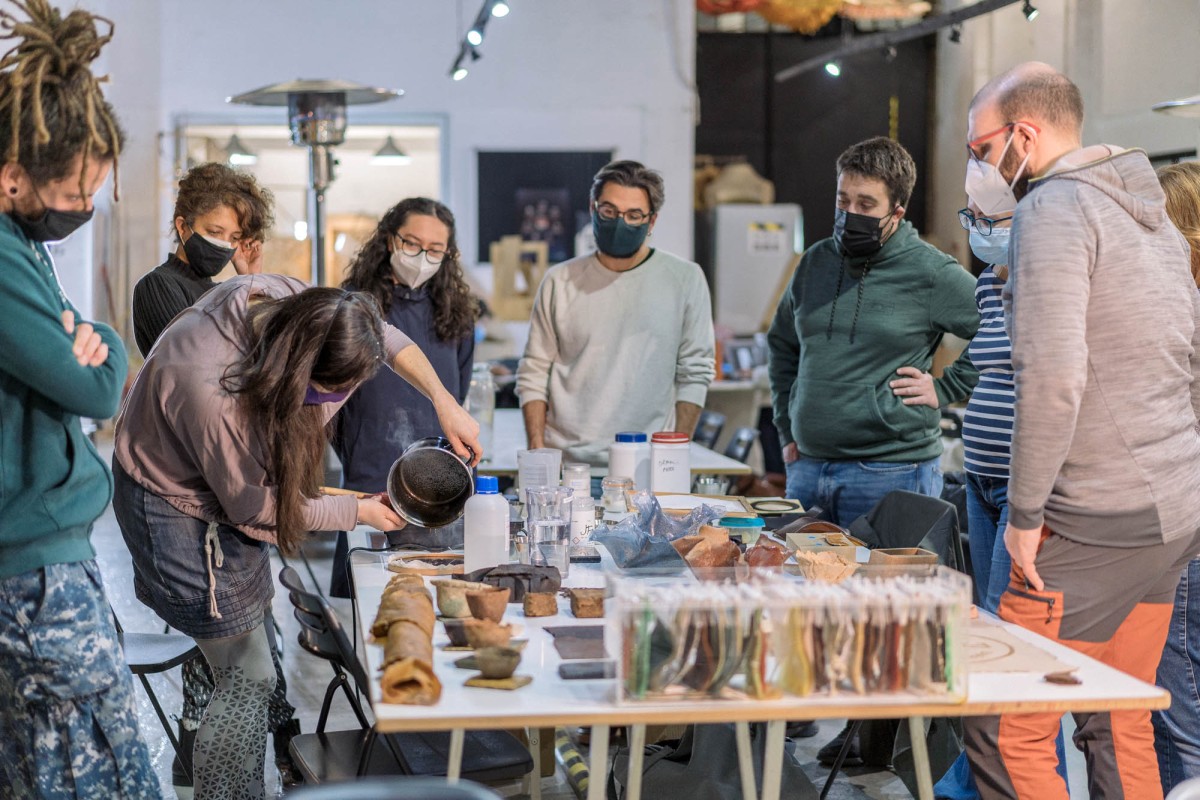
Image: FabLab Barcelona
Key Takeaways