


When classrooms in Scotland closed in 2020, music education faced silence. Tinderbox Collective broke that silence with a Learning Lab that blended technology, creativity, and connection. From smart-board songwriting sessions to virtual instrumental lessons, students thrived by finding joy and confidence in music during one of the most challenging times for schools.
By Goethe-Institut BrusselsA case study from the Creative FLIP Learning Labs 2020/21
Tinderbox Collective’s Learning Lab transformed music education during lockdown through hybrid and online workshops. Using smart boards, video calls, and apps like Bandlab and Launchpad, students learned songwriting, digital composition, and music production. The LLab pivoted to an Online Music School, delivering 105 instrumental lessons and creative café sessions. Outcomes included three group compositions, eight solo tracks, and improved confidence and wellbeing. Teachers called the project a “lifeline,” praising its engagement and adaptability.
When the pandemic shut down schools in Scotland in 2020, music classes faced a daunting question: how do you teach creativity without instruments, rehearsal rooms, or face-to-face interaction? Tinderbox Collective’s Learning Lab, Smart-Board Music, answered by bringing songwriting, digital music production, and live musician interactions into virtual spaces.
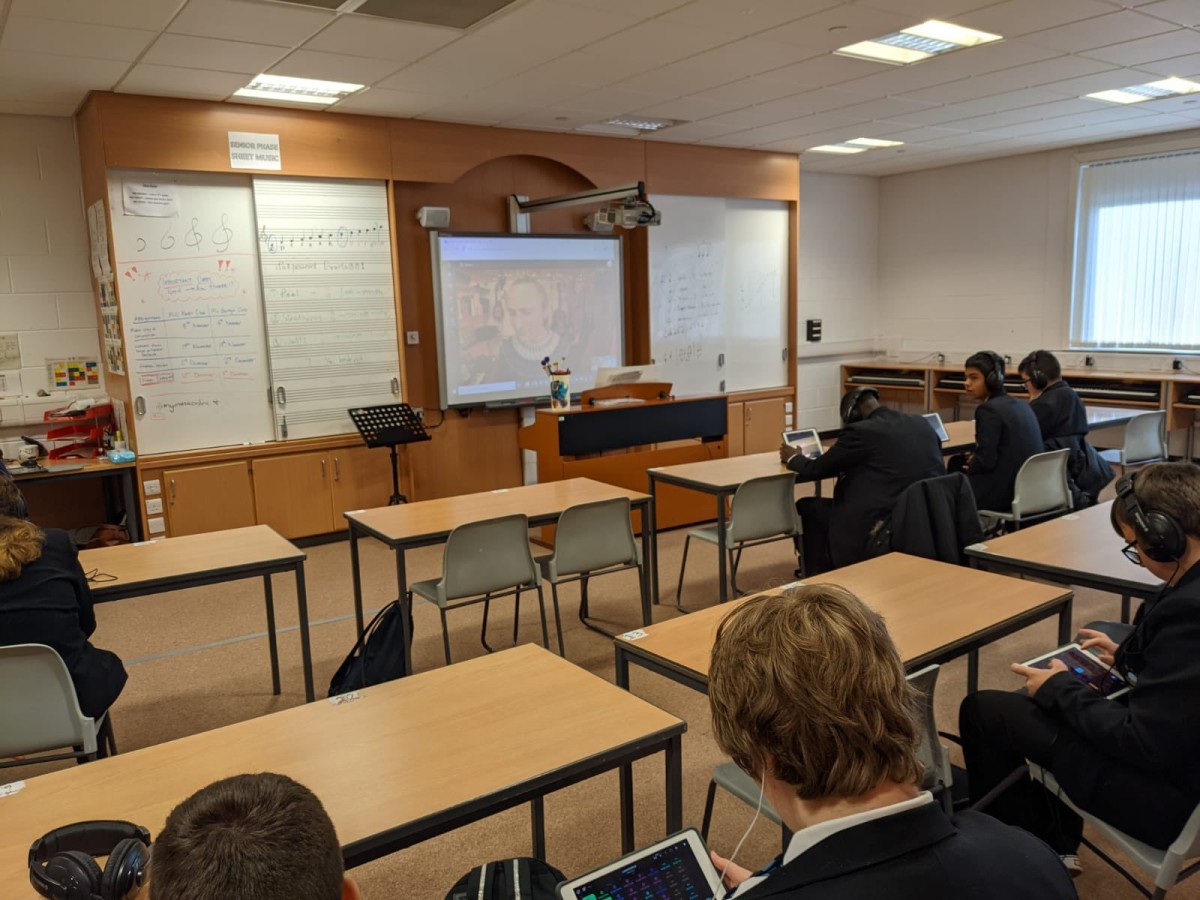
The plan was to run hybrid workshops at Craigroyston Community High School, using smart boards and video conferencing to connect students with professional musicians. Students would write and record group compositions and create individual tracks using digital tools. The setup was complex, requiring smart-board integration, webcams, microphones, and apps like Padlet for real-time lyric brainstorming.
After weeks of troubleshooting and navigating council restrictions, the system worked. Students could see tutors on the smart board, interact via Padlet, and watch live demonstrations of recording on Bandlab. Guest musicians from Tinderbox Orchestra joined sessions, showcasing instruments and inviting students to write parts for them.
From Classroom to Online Music School
Songwriting sessions buzzed with ideas. Students contributed lyrics and melodies, then watched as tracks were layered and mixed in Bandlab. Digital music production classes taught students to compose their own pieces using the Launchpad app on iPads. Tutors shared screens via smart boards, guiding students through sampling and sequencing.
The lead teacher at Craigroyston described the project as “the most engagement I’ve seen in one of my classes over the whole pandemic.” Pupils loved meeting musicians from diverse backgrounds and hearing their career stories. “It gave them a different perspective,” she said, adding that Tinderbox’s strong relationship with students —many of whom they’d worked with before—made a huge difference. “The way they relate to pupils brings out a response we can’t always get in school.”
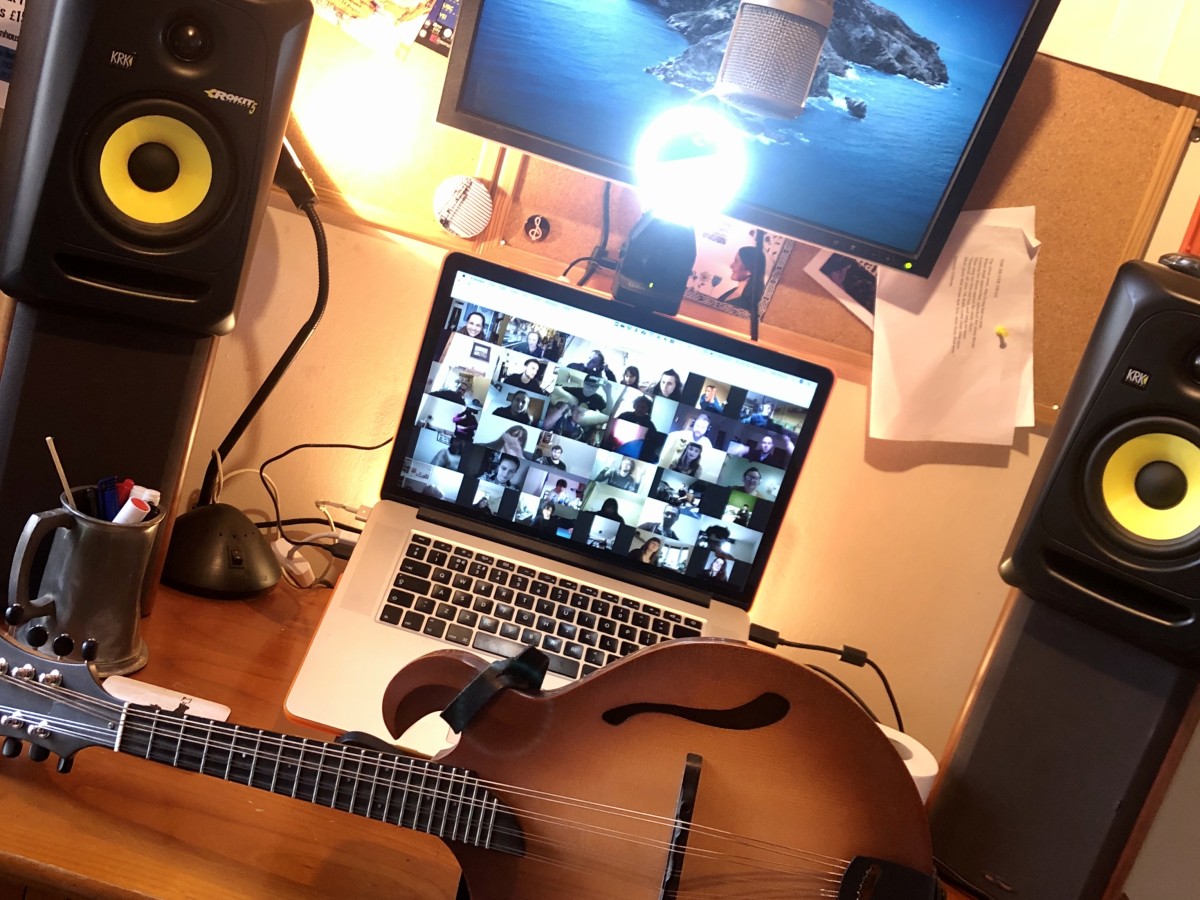
Just as momentum built, new restrictions closed school buildings. Engagement during school hours dropped, so Tinderbox pivoted to an Online Music School on Saturday mornings. Students booked 30-minute small-group lessons on any instrument, joining a main Zoom “Café” to share songs, art, and poetry before heading to breakout rooms for lessons. Instruments were provided to those who needed them.
Over 13 sessions, the LLab delivered 105 instrumental lessons, alongside songwriting projects and open-stage events. Pupils created three group compositions and eight solo tracks. More importantly, they found connection. “It was fun, creative, and really refreshing,” one participant said. Another summed it up simply: “Fun, but you still learn at the same time.”
Impact Beyond Music
The teacher called the project a “lifeline for staff” under immense pressure. It gave teachers a break and a chance to observe students in a new light. “Everyone was able to contribute in exactly the same way,” she noted, adding that practical work was now possible.
Sessions on Teams revealed something remarkable removed social barriers, allowing students to engage more freely. Tutors echoed this, saying home-based learning reduced distractions and boosted confidence. Anonymous surveys confirmed the impact: most respondents said the project inspired them, helped them continue with music, and made them feel happier and more connected. Many valued the freedom to choose instruments and sessions. One striking theme was the sense of fun and belonging—just as important as the musical skills gained.
Lessons Learned and Looking Ahead
The LLab wasn’t without challenges: technical hurdles, platform restrictions, and low engagement during school hours tested the team’s resilience. But these obstacles sparked innovation. Tinderbox mastered tools like Padlet, Bandlab, and Teams, developing new methods for remote music education.
The experience broadened Tinderbox’s network and inspired future collaborations, including a new online songwriting project with another Learning Lab partner. Music is connection, expression, and joy. Tinderbox Collective proved that even in lockdown, these values can thrive. By blending technology with creativity, the LLab opened new doors for music education, ensuring students could keep making, sharing, and dreaming even on distance.
Key Takeaways