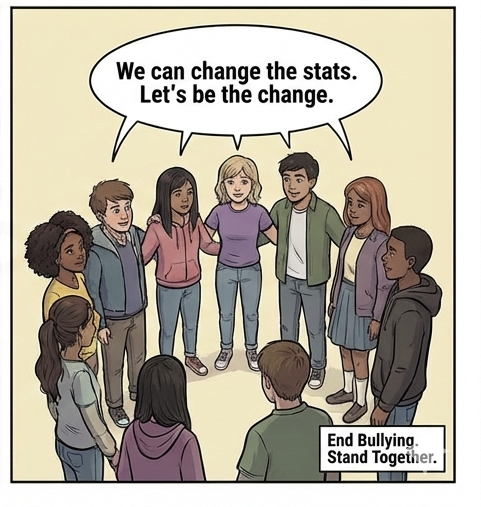



The European Commission has unveiled a sweeping action plan that addresses the growing menace of cyberbullying. It introduces an EU-wide reporting app and coordinated measures among member states to protect children and teenagers from online harassment that has become a critical threat to youth mental health and well-being.
By Matthaios Tsimitakis
The European Commission launched an Action Plan Against Cyberbullying, introducing an EU-wide reporting app and coordinated measures to protect children and teenagers from online harassment that has become what officials describe as a pandemic threatening young lives.
The announcement, made by Executive Vice-President Henna Virkkunen and Commissioner Glenn Micallef on Safer Internet Day, comes as statistics reveal that one in six children aged 11 to 15 report being victims of cyberbullying, while one in eight admit to participating in online bullying themselves.
"97% of young people in the EU use internet daily. Today, Europe takes a step forward in protecting and empowering young people online. Combating cyberbullying means saving lives, because cyberbullying harms, hurts, and sometimes takes the people we love," Glenn Micallef, Commissioner for Intergenerational Fairness, Youth, Culture and Sport said in a statement. "Europe is making cyberbullying a top priority in its online rules: DSA, AVMSD and AI Act. Because platforms must protect children, not profits".
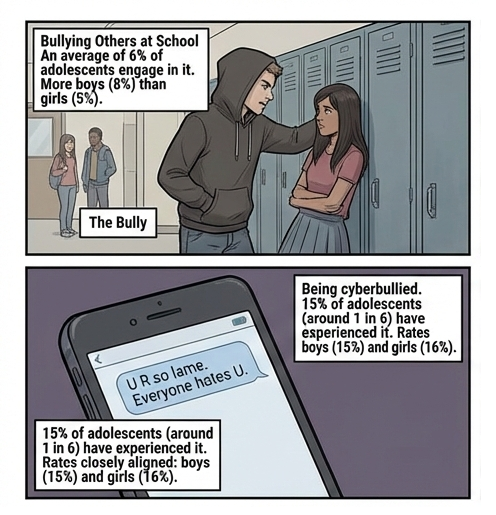
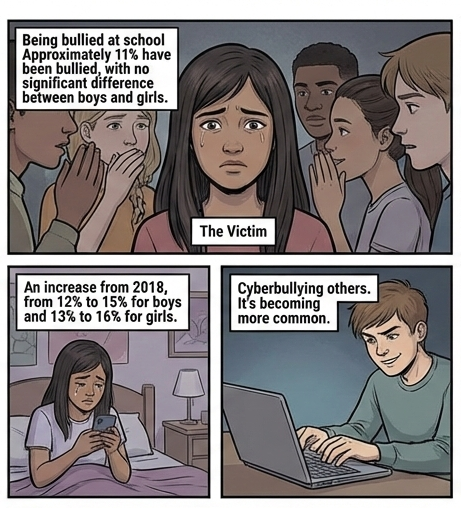
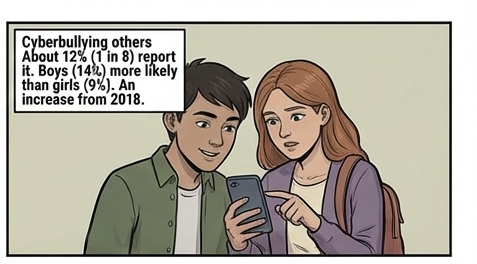
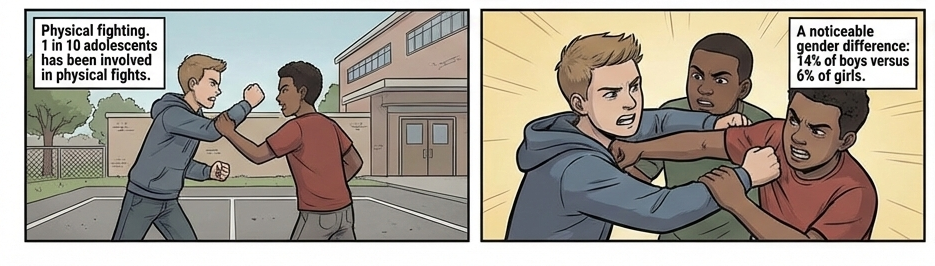
A 2024 World Health Organization/Europe study found that an average of 6% of adolescents in Europe engage in bullying others at school. This behaviour is more prevalent among boys (8%) compared to girls (5%). Approximately 11% of adolescents have been bullied at school, showing no significant difference between boys and girls but about 12% (1 in 8) of adolescents report cyberbullying others. Boys (14%) are more likely to report cyberbullying than girls (9%). Notably, this reflects an increase from 2018, with boys up from 11% and girls from 7%.
Recent Eurobarometer surveys show overwhelming public support for intervention, with over 90 per cent of Europeans stating it is urgent that public authorities act to protect children online from cyberbullying, online harassment, and the negative impact of social media on mental health.
"To make this real, we will update online safety rules to better protect children; ensure that platforms take 'serious reports' more seriously; and keep harmful content out of children's view on video platforms." said Commissioner Glenn Micallef in a Press conference.
The action plan establishes a common EU-wide definition of cyberbullying as behaviour carried out through digital technologies with the primary intention or effect of recurrently or continuously humiliating, socially excluding, abusing, harassing or harming children or young people.
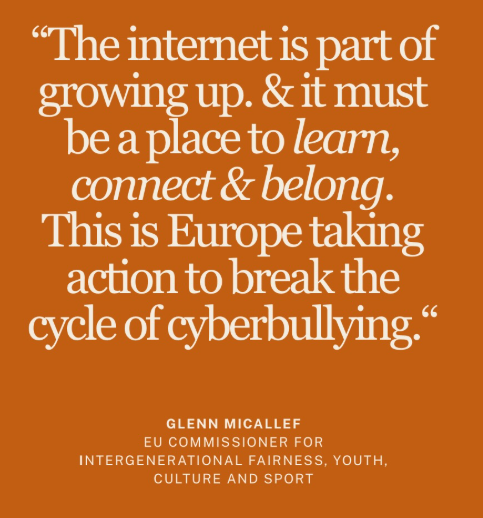
The plan establishes a coordinated EU approach by reinforcing existing legislation, such as the Digital Services Act and the Audiovisual Media Services Directive, to better protect minors. It also leverages the AI Act to ban harmful harassment practices while encouraging Member States to adopt unified definitions and national anti-bullying plans.
"Victims of cyberbullying must have a clear and easy way to report harassment and get help," the Commission stated in a Press release.
A cornerstone of this initiative is the rollout of an EU-wide mobile online safety app, beginning in the third quarter of 2026. Based on successful models like France’s "3018" app, this tool will allow victims to report incidents, store evidence securely, and connect with national helplines. These efforts will be integrated into the broader EU strategy on victims’ rights in 2026.
"The Commission will support the roll-out of an online safety app in Member States to enable children and young people to easily report cyberbullying, store and send evidence, and receive tailored assistance" said Henna Virkkunen at a college readout.
To ensure effectiveness, Member States are encouraged to build holistic support ecosystems that link the reporting app with national services, facilitating a smooth transition from digital reporting to practical, offline support.
The action plan also calls for member states to develop comprehensive national plans using the common definition to collect and compare data, creating a more united front against cyberbullying.
To strengthen existing protections, the Commission will also review Digital Services Act guidelines on the protection of minors to enhance measures that online platforms must take to prevent minors from being exposed to harmful content and to facilitate reporting.
"We make full use of our existing legal and policy instruments... This includes, for example, the upcoming review of the DSA guidelines on the protection of minors, and the DSA guidelines on trusted flaggers." said Executive Vice-President Henna Virkkunen.
 The plan also addresses cyberbullying through the evaluation and review of the Audiovisual Media Services Directive, particularly focusing on video sharing platforms, and will support implementation of Artificial Intelligence Act provisions prohibiting systems that manipulate or deceive people in harmful ways.
The Commission will adopt guidelines on trusted flaggers to clarify their role in tackling illegal content, including illegal cyberbullying material, and will facilitate implementation of AI transparency obligations through a code of practice on marking and labeling AI-generated content that can be misused for cyberbullying.
The action plan emphasizes prevention by encouraging healthy, responsible and respectful digital practices from an early age. Cyberbullying prevention will be central to the upcoming review of Commission guidelines for educators on promoting digital literacy as part of broader efforts to strengthen digital skills under the Union of Skills initiative.
The Commission will expand cyberbullying resources and training for schools through its network of Safer Internet Centres and the Better Internet for Kids Platform. In 2025, approximately 48 million European citizens used Safer Internet Centres' resources.
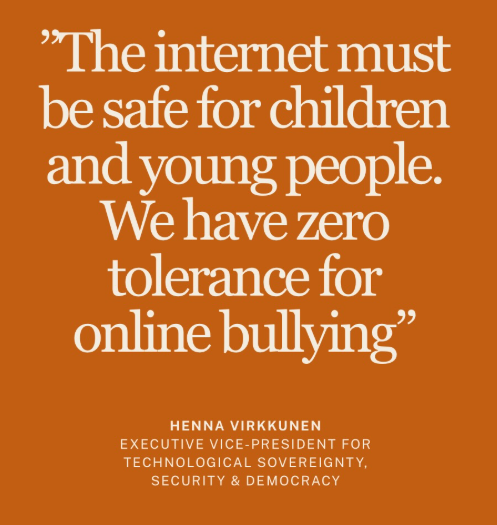
"Children and young people have the right to be safe when they are online," Executive Vice-President Virkkunen emphasized. "Cyberbullying undermines this right, leaving them feeling hurt, lonely, and humiliated. No child should be made to feel this way."
The Commission developed the action plan based on targeted consultations with more than 6,000 children and a broader public consultation. Implementation will proceed in partnership with member states, industry, civil society, international organizations and children themselves.
 In parallel, the Commission is working on additional initiatives including piloting an EU privacy-preserving age verification solution, the upcoming Digital Fairness Act, establishing a panel of experts to inform work on protecting children online, and conducting an inquiry on the impact of social media on mental health.
Launched in the EU in 2004, Safer Internet Day is now celebrated in approximately 160 countries and territories worldwide, advocating for a safer and better online world for all.
The Commission has emphasized that the action plan represents a priority under President Ursula von der Leyen's political guidelines for 2024-2029, signalling sustained high-level commitment to protecting Europe's youngest digital citizens.