

The 2025 Mapping Media Freedom report reveals a continent in the grip of a deepening media crisis. With 1,481 violations recorded across 35 countries, the shift from verbal abuse to state-sponsored legal harassment and physical violence marks a perilous new era for European journalism.
By Matthaios TsimitakisThe state of press freedom in Europe has reached a critical juncture, as documented by the 2025 Media Freedom Rapid Response (MFRR) monitoring report. Spanning 35 countries, the data illustrates a troubling parity: EU Member States and candidate countries each accounted for approximately 50% of the 1,481 recorded violations.
While Europe remains a comparative "haven" globally, the report identifies "multiple ongoing media freedom crises" fueled by a rise in "foreign agent" laws and the normalisation of violence at protests.
"Labelling journalists or media as serving foreign interests is aimed at deliberately eroding trust among readers", notes the report
With four journalists killed and a 18% share of attacks now perpetrated by government officials, the traditional safeguards of the Fourth Estate are being systematically dismantled by the very authorities sworn to protect them.
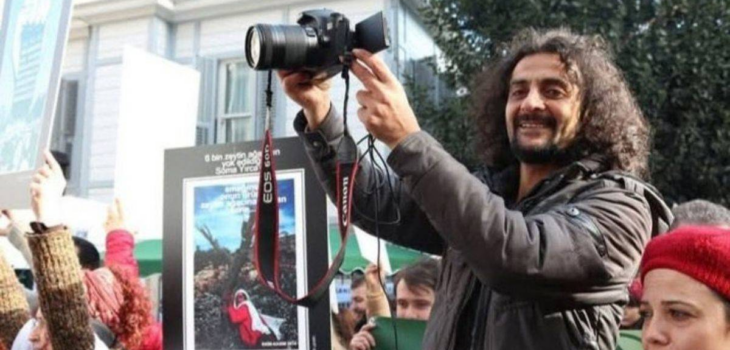
Four journalists—Aliona Hramova, Yevhen Karmazin, and Oleksandr Kolychev in Ukraine, and Hakan Tosun in Türkiye—were killed in 2025. The report warns that "impunity continues to be a defining feature in crimes against journalists across Europe."
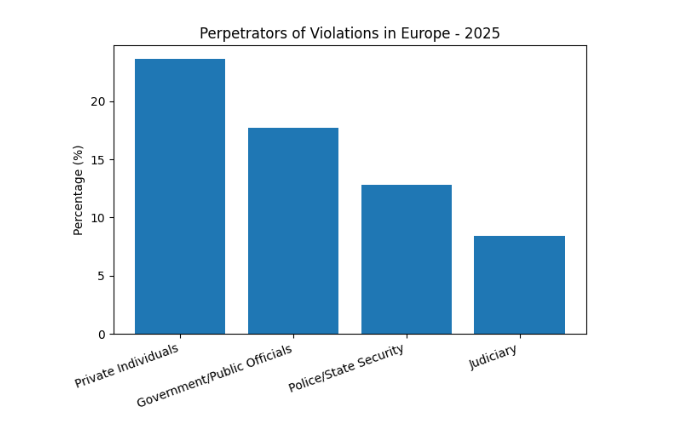
While private individuals remain the most frequent attackers (24%), the share of violations committed by government and public officials rose to 17.7%, a number that has "constantly increased over the past years."
12 legal initiatives related to "foreign agent" laws were recorded in countries including Georgia, Hungary, and Bosnia and Herzegovina, aimed at "stigmatising critical media" and "restricting access to funding."
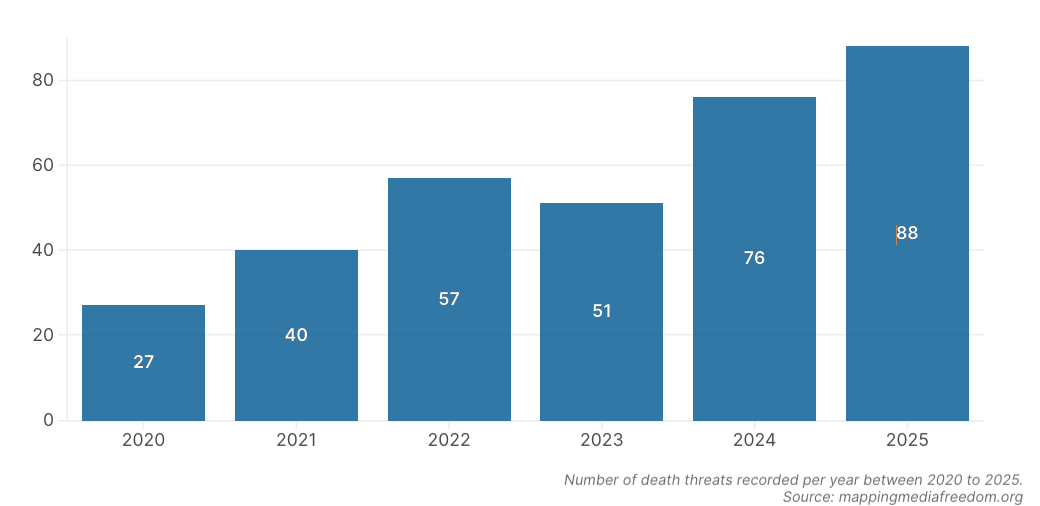
Verbal attacks remain most common (40%), including 88 death threats—a figure that has more than doubled in five years. Additionally, physical assaults accounted for 14.7% of incidents, often occurring during public demonstrations.
Over the last decade, the European media landscape has undergone a shift from a region of relative safety to one of vulnerability.
When the Media Freedom Rapid Response (MFRR) began monitoring in 2020, the primary threats were often localised or linked to organised crime, exemplified by the landmark assassinations of Daphne Caruana Galizia in 2017 and Ján Kuciak in 2018.
However, the last five years have witnessed a transformation where state actors have increasingly replaced private individuals as the primary source of aggression.
Furthermore, the normalisation of violence is stark: annual death threats have more than doubled since 2020, rising from 40 to 88 incidents. In hotspots like Serbia and Georgia, what were once isolated incidents of interference have evolved into a "situation of emergency," characterised by state-sanctioned physical force and a deepening crisis of impunity.
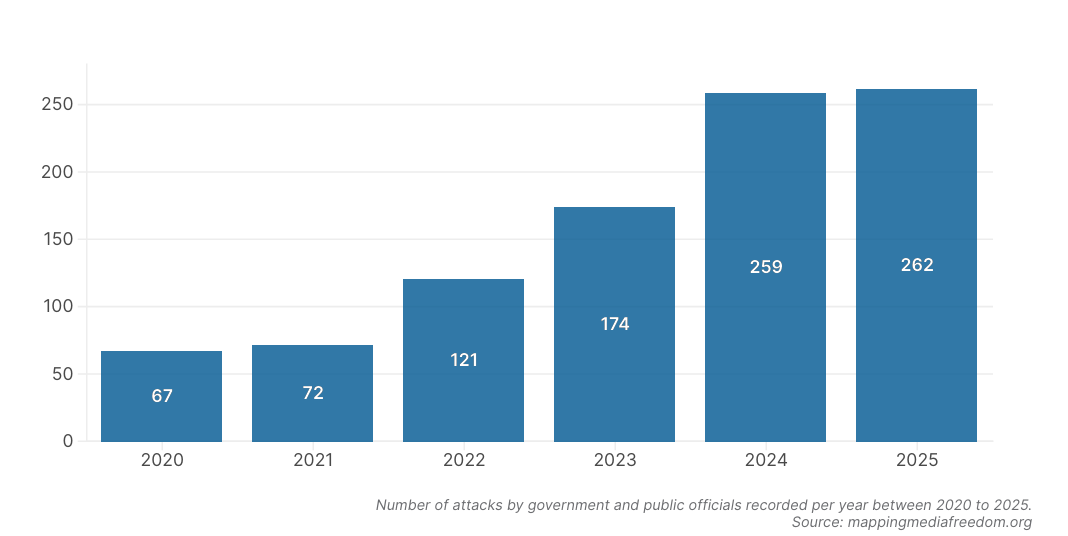
Since 2021, the share of violations perpetrated by government and public officials has almost doubled, reflecting a "constantly increased" trend of state-led harassment. This era is defined by the "domino effect" of repressive "foreign agent" laws, which have spread across the continent to stigmatise independent voices.
"In the year that European Media Freedom Act (EMFA) came into full force, the MapMF data presented again underscored the need for strong implementation of the regulation in the coming year to address systemic threats to media freedom and pluralism. " concludes the report.
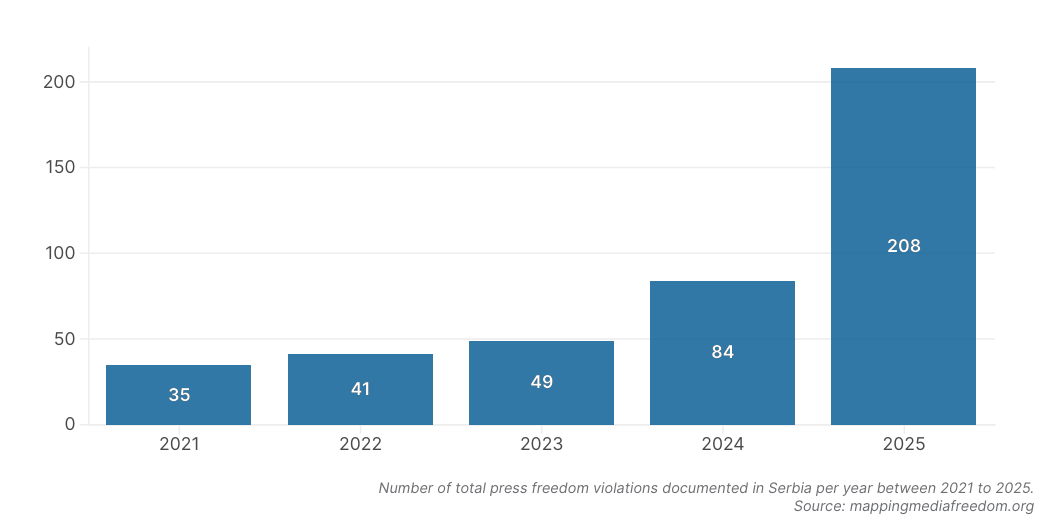
Serbia emerged in 2025 as the primary "media freedom crisis point" in the region, documenting a staggering 208 violations—more than double the number recorded the previous year. The environment turned particularly toxic following the collapse of the Novi Sad railway canopy in late 2024, as journalists covering the resulting anti-corruption protests faced a "situation of emergency."
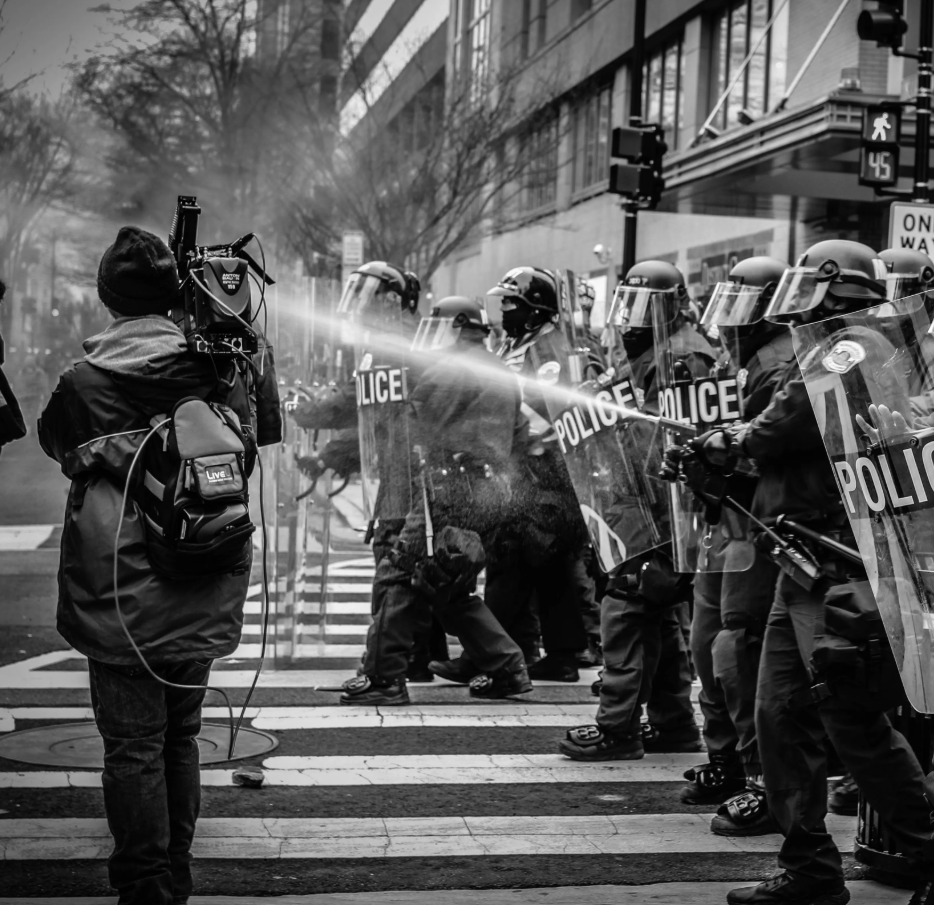
The report highlights a disturbing shift in the behaviour of law enforcement; police moved from "inaction to excessive use of force," with 16 assaults attributed directly to officers, 90% of which occurred during protests. Beyond physical violence, the state-sponsored "media capture" has intensified. High-ranking officials, including President Aleksandar Vučić, have been implicated in "smear campaigns and threats," while leaked audio recordings suggested direct political pressure to weaken the editorial independence of major broadcasters like N1. This coordinated effort to silence dissent has created a climate where violence is "normalised," and critical reporting is met with threats of physical harm, such as one instance where a journalist was forced to delete footage under the threat of "broken bones."
In Georgia, 2025 was defined by a "severe crackdown" on independent media led by the ruling Georgian Dream party. The number of legal attacks nearly doubled, with 60 cases (42% of total violations) recorded as the government pushed through controversial "foreign agent" legislation. These laws are designed to "deliberately erode trust" by labelling independent outlets as "foreign agents" or "Soros media," effectively starving them of international funding.
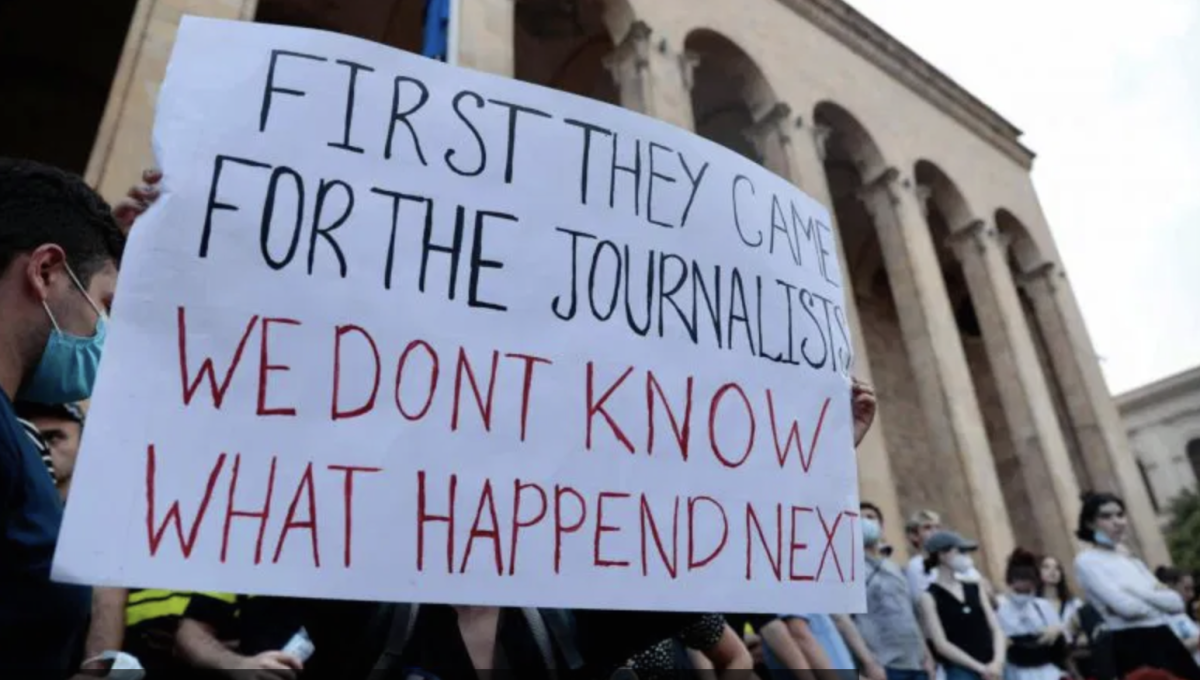
The violence has not been limited to the courtroom. Police and state security forces were responsible for 28% of all recorded incidents, frequently targeting journalists with "brutal violence" during protests. The report notes that during demonstrations against the transparency bill, "law enforcement officers targeted media workers with physical violence, including the use of pepper spray and rubber bullets." This physical repression is matched by institutional capture; the Georgian Public Broadcaster (GPB) has reportedly become a "captured public service media" that dismisses journalists who express criticism of its pro-government editorial line. The combination of legislative traps and physical intimidation has left the Georgian press landscape "further contracted," with democratic safeguards in a state of "deepening erosion."
Ukraine remains the most dangerous theatre for journalism in Europe as the full-scale Russian invasion approaches its fifth year. In 2025, Russian forces continued to "inflict death, injury and sustained damage to media infrastructure." Three of the four journalists killed in Europe this year—Aliona Hramova, Yevhen Karmazin, and Oleksandr Kolychev—lost their lives in Ukraine.
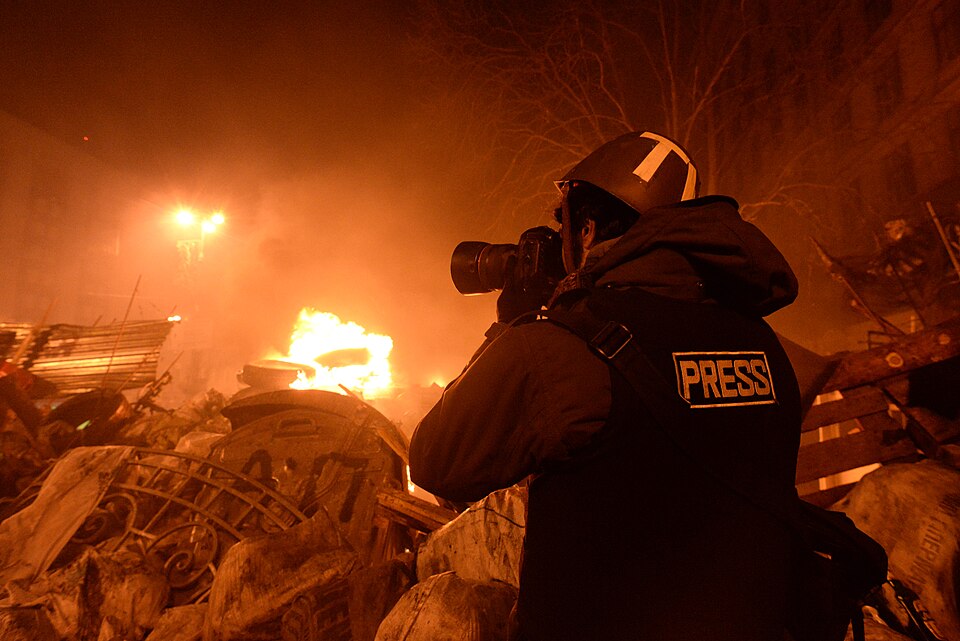
Beyond the fatalities, 12 journalists were injured by Russian military activity, while at least 18 others came under fire but escaped physical harm. The report emphasises that "PRESS" markings, intended to protect workers in combat zones, are "increasingly used by Russians as a way to identify and carry out strikes." Russian forces also systematically targeted media infrastructure, with 17 incidents of damage or destruction recorded, including the "bombing and destruction" of the Suspilne public broadcaster’s regional hub in Dnipro. Furthermore, the "crisis of impunity" is exacerbated by the fact that no fewer than 26 Ukrainian journalists remain in Russian prisons, often held in "politically motivated" detention with little hope of release. For those on the ground, journalism is no longer just a profession but an act of high-risk survival.
Across Europe, independent journalists and media outlets face a growing threat from deliberate campaigns to label them as instruments of foreign influence. The term "Soros media", invoking billionaire philanthropist George Soros, has become a common epithet used against independent outlets, particularly in countries where press freedom is limited.
The tactic is strategic. In nations with controlled media ecosystems and limited pluralism, independent outlets are frequently cut off from state advertising and domestic funding, making international grants essential to their survival. Critics then use that reliance on foreign funding as supposed evidence of outside manipulation—a cycle that undermines public trust while leaving outlets financially vulnerable.
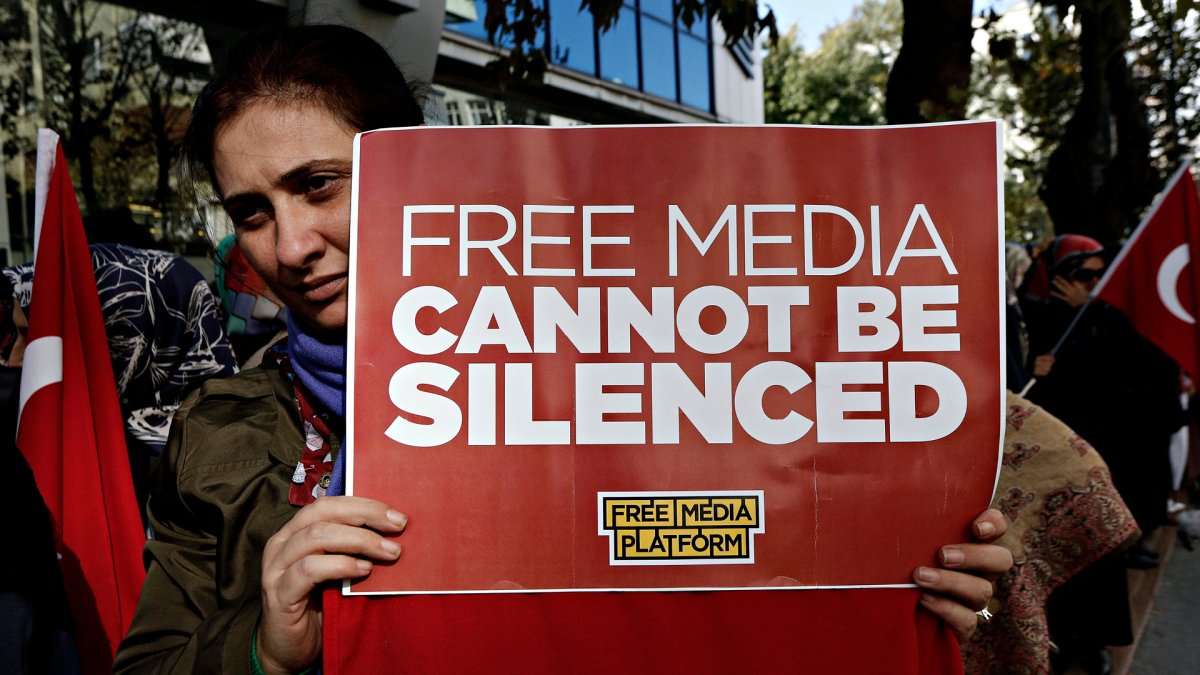
The scale of the problem is significant. In 2025, the Media Freedom Rapid Response (MapMF) recorded 72 press freedom violations linked to foreign agent laws or accusations of foreign funding and influence, affecting 142 individuals or entities across the media sector. Of those violations, 34 occurred in European Union member states and 38 in candidate countries. Hungary recorded the highest number of incidents within the EU at 18, while Georgia topped the list among candidate countries with an equal number.
The situation was further complicated in early 2025 when the administration of US President Donald Trump moved to dismantle USAID, one of the world's largest donors to independent media organisations. The decision intensified financial pressure on outlets that depended on American funding and was swiftly exploited by governments seeking to cast doubt on their independence. MapMF documented 19 violations during the monitoring period that were directly tied to USAID funding, with governments citing the grants as evidence of foreign interference.
The consequences were felt acutely in Moldova, where accusations of foreign influence linked to USAID funding escalated to the point of physical assaults on media workers. In Hungary, the fallout was institutional: in November 2025, Radio Free Europe/Radio Liberty's Hungarian-language service, Szabad Európa, ceased operations after the Trump administration cut its funding. Officials justified the closure by claiming the service had produced content that "undermined President Trump's foreign policy by opposing the duly elected Prime Minister of Hungary" — a decision that further narrowed an already constrained media landscape.
"As the EU Commission continues work on the European Democracy Shield in 2026, the data also illustrates the need for coordinated action to harmonise EU instruments for protecting media and journalists from digital threats such as spyware and legal threats such as SLAPPs." MFRR concludes in its 2025 report.
For detailed reports on all cases visit the MFRR Map