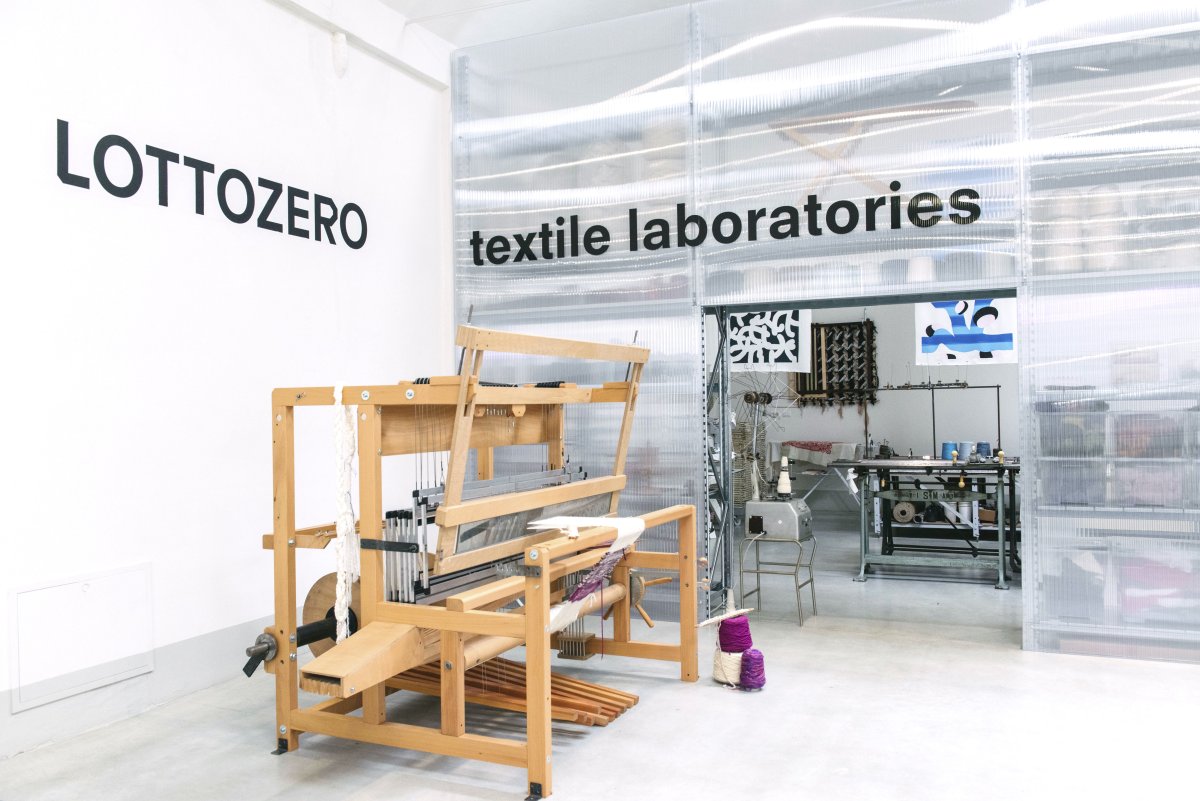


Tessa and Arianna Moroder transformed their grandfather’s abandoned warehouse in Prato into Lottozero, a thriving creative hub with a textile laboratory, an artist residency, and a design residency and exhibition space championing circular design.
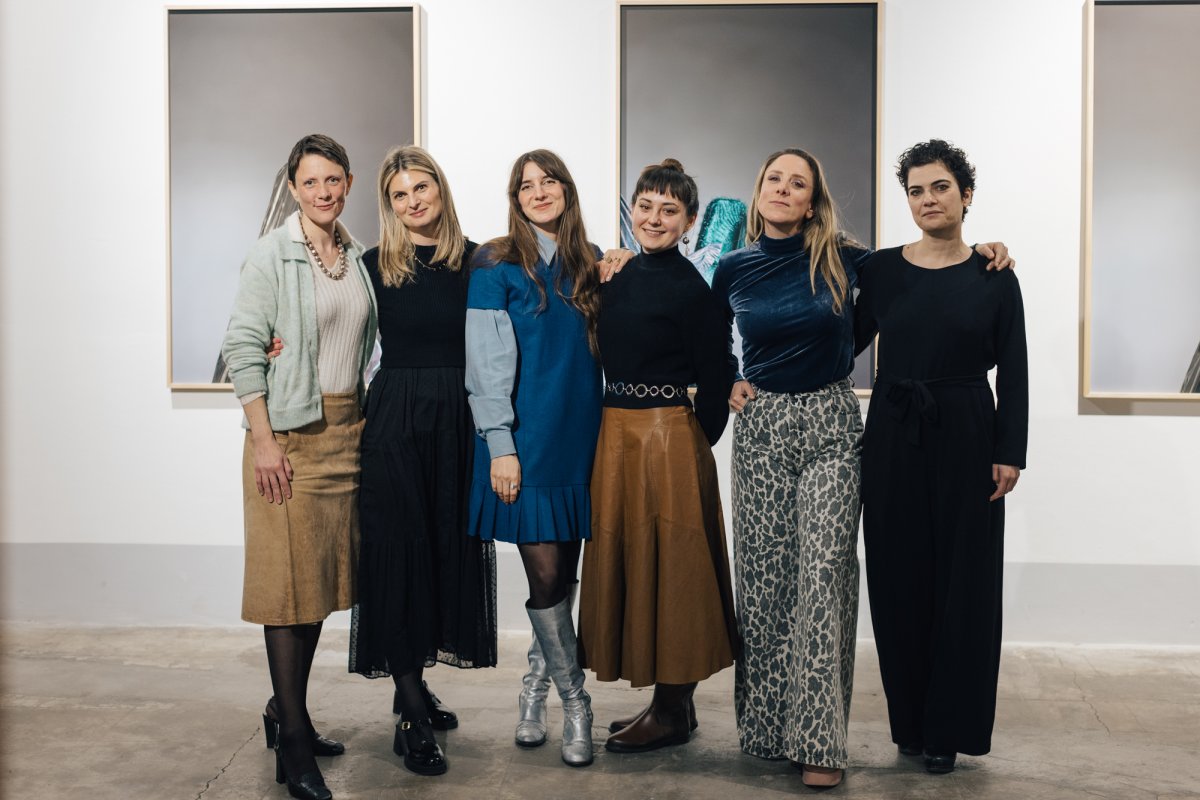
Economic and environmental sustainability, inclusiveness, non-profit mentality, cooperative spirit… Tessa and Arianna Moroder, an economist and a textile designer and artist, had a vision: to create a fertile environment for textile research and experimentation in design, fashion and art, and an international base for people working with textiles in an eco-friendly and sustainable way. They inherited a warehouse from their grandfather in Prato, the heart of the Italian and European textile industry, and created Lottozero. A creative hub and a design studio, with a textile laboratory, a shared studio space/coworking area and an exhibition area that renews a centuries-old tradition.
In a presentation of the Hub's story back in 2022, Tessa Moroder narrated how it all started: “Sadly, our mother died in 2012, and we inherited this empty warehouse, which had belonged to our grandfather, and it had been abandoned in the late 1970s. Arianna is a textile designer. I'm an economist, but I've always worked as a consultant. So when we saw the space, the first thing we thought about was that together we could create something really special for this textile area.”
Fashion is a $2.4 trillion global industry. It is also the second largest polluting industry after aviation and is responsible for 10% of global pollution, according to a 2021 study by Aalto University in Finland. But Prato has a different tradition, since the area around the city is not ideal for growing raw material for textile production, and the wool in the area is much too coarse for fine garments. Prato started specialising in the mechanical recycling of wool fibres from post-industrial and pre- and post-consumer waste 150 years ago.
After the Second World War, thanks to the Marshall Plan to support the European economy, Prato had a sudden boom as used garments from the United States reached the Tuscan city. This extremely ecological practice was kept a secret for years, since recycled wool was seen as a pauper’s material compared to virgin and fine wool coming from overseas. However, it boosted the textile industry in the area and established Prato as one of the main textile centres of Italy and Europe.
But like everywhere else in Europe, the 2008 financial crisis hit the city hard and wiped out thousands of small factories, causing social problems in the city; until 2012, Prato had lost 1000, and according to some, up to 3000 out of 7000 of its small textile companies in a decade. Historic Italian firms were slowly making way for thousands of Chinese-owned pronto-moda workshops churning out cheap garments for Zara and H&M, often in the grey economy, and the district was making headlines for labour exploitation and illegal waste disposal.
Arianna, who at the time was a recently graduated textile designer, knew the challenges of her fellow designers well and had the intuition that if Lottozero wanted to help support local and sustainable brands, one of the best ways to do it was to create a physical space where aspiring sustainable textile and fashion designers had information, know-how, access to studio space and to machinery to experiment, and proximity to what was by then the biggest European textile district,” Tessa recalls in the 2022 presentation.
Only a few kilometres from bustling Florence, Lottozero today is an immensely welcoming creative hub and residency centre offering specialised tools to artists, students, professionals, designers, and materials researchers. Inspired by Prato's great heritage, it is a model centre for Italian textile design, art, and culture. It hosts tens of workshops and at least 3 major exhibitions a year, and has hosted 35 residencies in 2025, many financed by Culture Moves Europe.
When we visited the Hub in the autumn of 2024, Arianna Moroder told us that “Lottozero sees sustainability as the opposite of a trend. In fact, we see it as a long-term mentality that should pervade all aspects of a company’s life, resulting in a radical (re)evaluation of its objectives and values and inducing structural changes.”
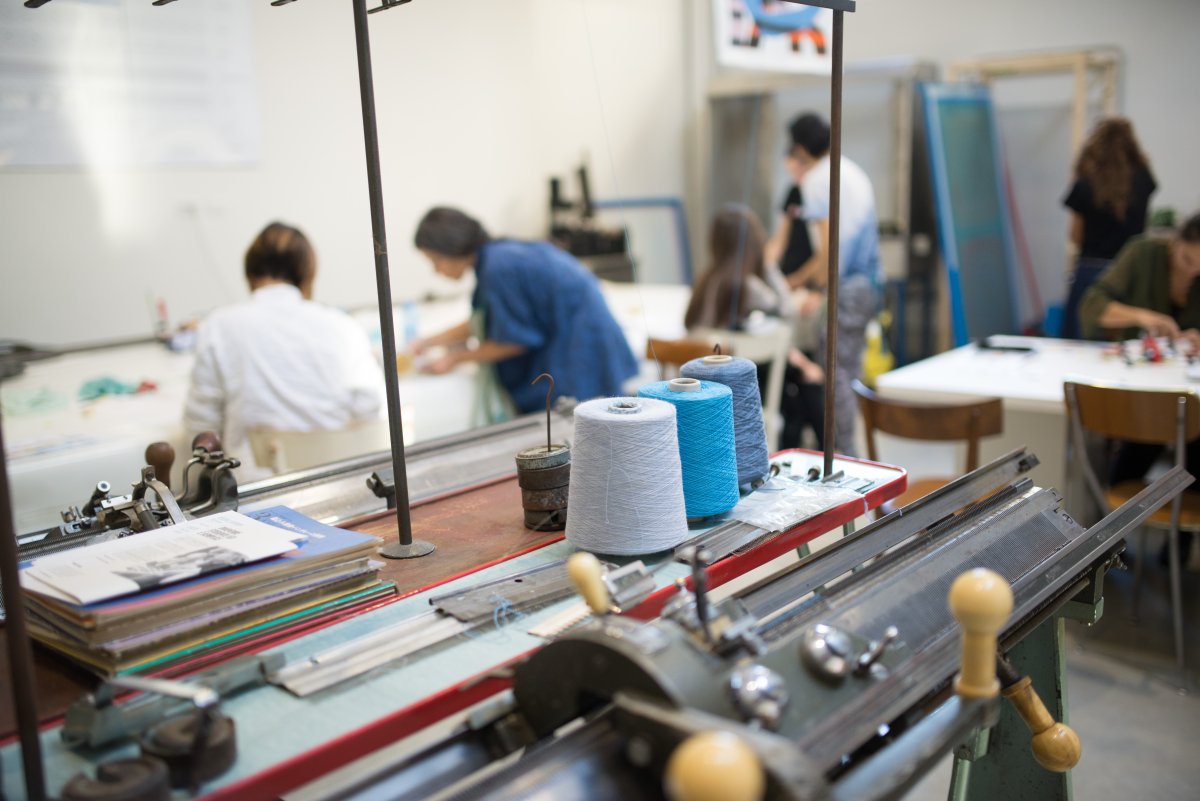
At the heart of the hub is the textile laboratory. An open workshop fully equipped with machinery and tools for research into textile materials and the development of textile-related projects. The laboratory has a wide range of machines covering manual and industrial techniques: spinning, weaving, knitting, dyeing, screen and sublimation printing, sewing, tufting, and embroidery, and it has the only TC2 loom publicly available for rent in Italy and Southern Europe. The tools are usually used by designers, craftspeople, artists, creative students and people who want to learn, experiment, prototype or produce limited series.
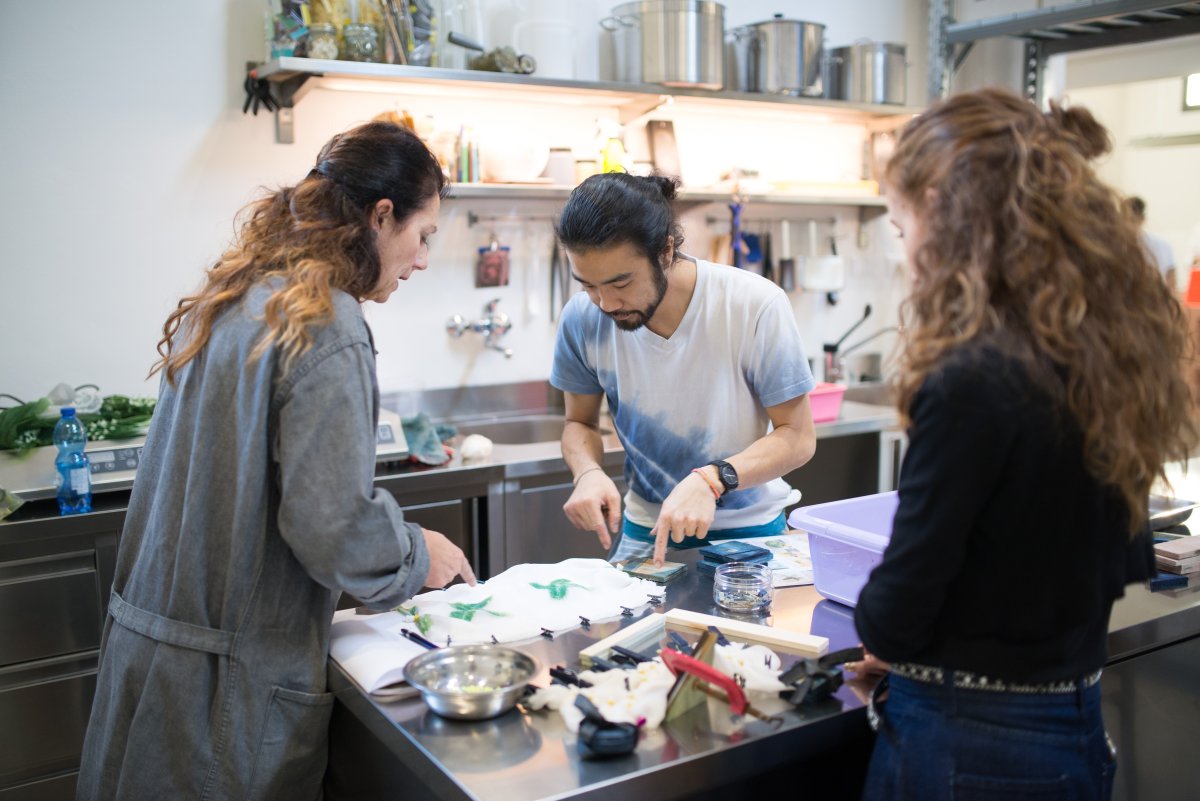
The members of the Lottozero community build upon the know-how, capacity, and heritage of the historical textile district, using it as a base for research and a diffused laboratory. They work with their network and community to create information, new partnerships, working relationships, synergies, and cross-pollination between stakeholders. Every single project developed at Lottozero shares the organisation's core values: quality, collective vision, inclusion, sharing, openness, and economic and environmental sustainability.
It took several milestones to get here. In 2016, they ran a crowdfunding campaign on Kickstarter, raising €12,168 for launch, featuring Arianna's “Verde di Prato” scarves with European artists—kick-starting a community buy-in. In October 2016, the grand opening event drew 2,000+ visitors; 130 sleepovers explored textiles in art/night rituals with Arianna's immersive installation and “Sleep Concert”—marking the public debut of Lottozero. The first major award came in 2017 when they won the €50,000 “culturability” tender from Fondazione Unipolis, validating the non-profit model for textile revival. 9 years later, they recreated their original video, showcasing all that had been created between the beginning and then.
The official opening of the textile lab followed in 2018. Committed to the idea of spreading the values of sustainability and knowledge to the younger generations, Lottozero has created, together with other European partners, a variety of projects full of free resources, co-funded by the European Union: Refashionized to shape young people’s attitudes and behaviour towards sustainable fashion and overconsumption. W4Tex to support women’s access to leadership roles in the textile sector. No Fake Fashion to help small fashion businesses protect themselves from counterfeiting.
TEX4.0 to introduce digital and Industry 4.0 skills into textile SMEs. IMASUS to connect design practice and research toward more sustainable fashion, and the Lottozero Directory to highlight sustainable Italian designers and artisans.
Last but not least, in anticipation of Lottozero’s 10th anniversary next year, Lottozero is absolutely thrilled to announce the biggest project yet: the Textile Art Factory. The residency programme invites emerging artists and curators to explore the textile heritage of Prato, providing six months of immersive studio practice, training, mentorship and collaboration with local manufacturers, bridging contemporary art and industrial craft – a dream come true. “It is the absolute embodiment of what we dared to dream up at a time when they were just starting and these kinds of projects seemed far away,” says Tessa.
Images: Courtesy of Lottozero
This case study was created under Creative FLIP, an EU co-funded project aimed at further increasing the long-term resilience of the CCSI in key areas such as finance, learning, working conditions, innovation & intellectual property rights.
Key Takeaways

Tessa (born 1981) and Arianna (born 1985) Moroder, Bolzano-born sisters, transformed their grandfather's abandoned 1979 warehouse in Prato into Lottozero in 2016 after their mother's 2012 death. Economist Tessa, ex-business consultant in the cultural and creative field, and textile artist Arianna, trained in Milan, Amsterdam, and Berlin, now lead this sustainable textile creative hub.