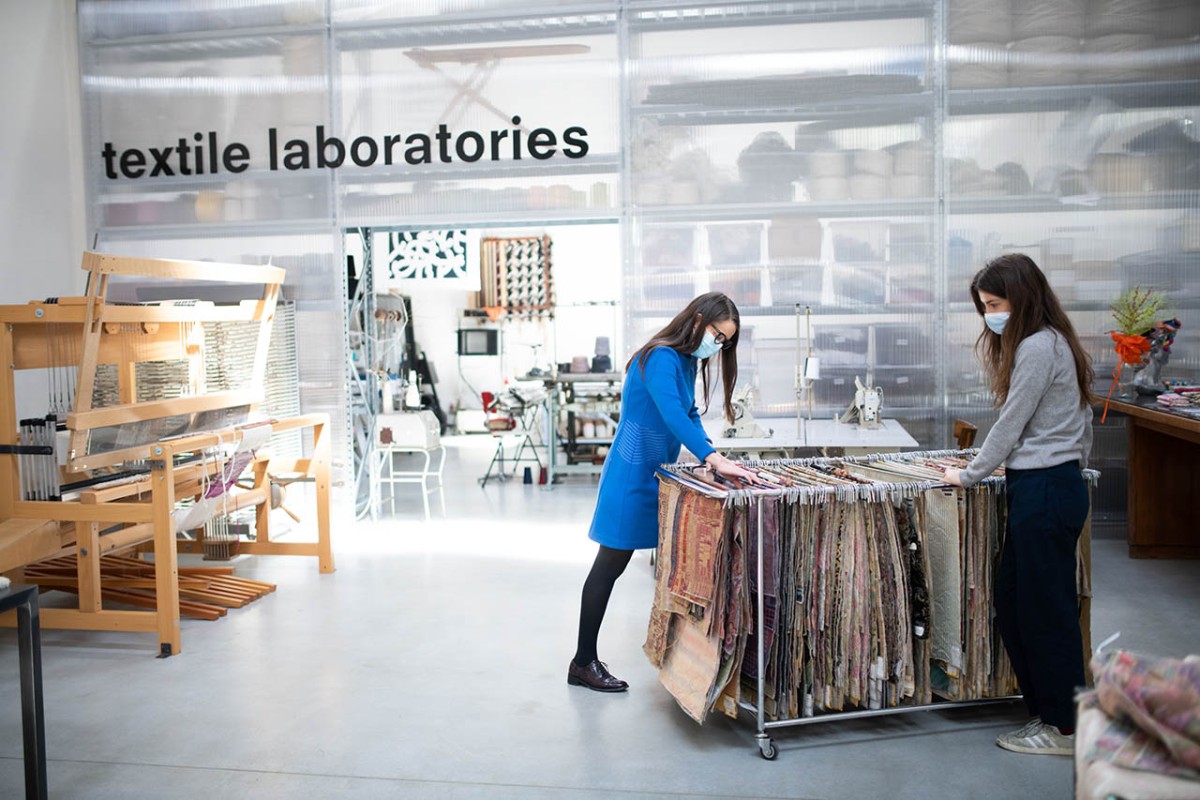



At Lottozero, a textile archive became the starting point for a creative journey. Through an online workshop blending design tools and digital techniques, students explored how archival materials can inspire contemporary ideas; and even shape the future of fashion and art.
A case study from the Creative FLIP Learning Labs 2020/21
Lottozero’s Learning Lab, My Private Heritage, transformed a textile archive into a creative learning experience. Through an online workshop combining theory and practice, students explored how archival materials can inspire design using digital tools. High-resolution scans and interactive exercises allowed participants to manipulate patterns and textures freely, fostering cross-disciplinary thinking and a deeper understanding of heritage. The LLab produced a flexible teaching format for schools and lifelong learning programs. By merging tradition with technology, the LLab demonstrated how archives can become dynamic resources for innovation.
Archives often feel static, locked away in drawers, waiting to be rediscovered. Lottozero’s Learning Lab, My Private Heritage, goal was to show how archival materials, in this case textiles, can fuel creativity and help designers interpret the past, engage with the present, and imagine the future.
Making Heritage Digital
The creative hub had recently received a donated textile archive, rich with patterns, textures, and stories. But how do you turn fragile fabrics into dynamic learning tools, especially in an online setting? The team began by cleaning, organising, and digitising the collection. High-resolution scans revealed stunning details, and close-up zooming created effects impossible in real life. Slide shows and animated videos brought the archive to life, proving that digital tools can make heritage not only accessible but exciting.
A New Way to Learn
The Learning Lab was designed as a compact creative course for professionals and amateurs alike, piloted with students from Accademia di Belle Arti Rosario Gagliardi Siracusa, Firenze in Fine Arts, Design, and Fashion. The curriculum combined theory and practice. Theoretical sessions introduced research methods, online archives, and design principles. Practical exercises challenged participants to reinterpret archival materials using digital tools like Photoshop. Time-limited tasks added suspense and kept the energy high. Students learned how to cut, manipulate, and transform delicate patterns without fear of damaging originals, something only possible in a digital environment.
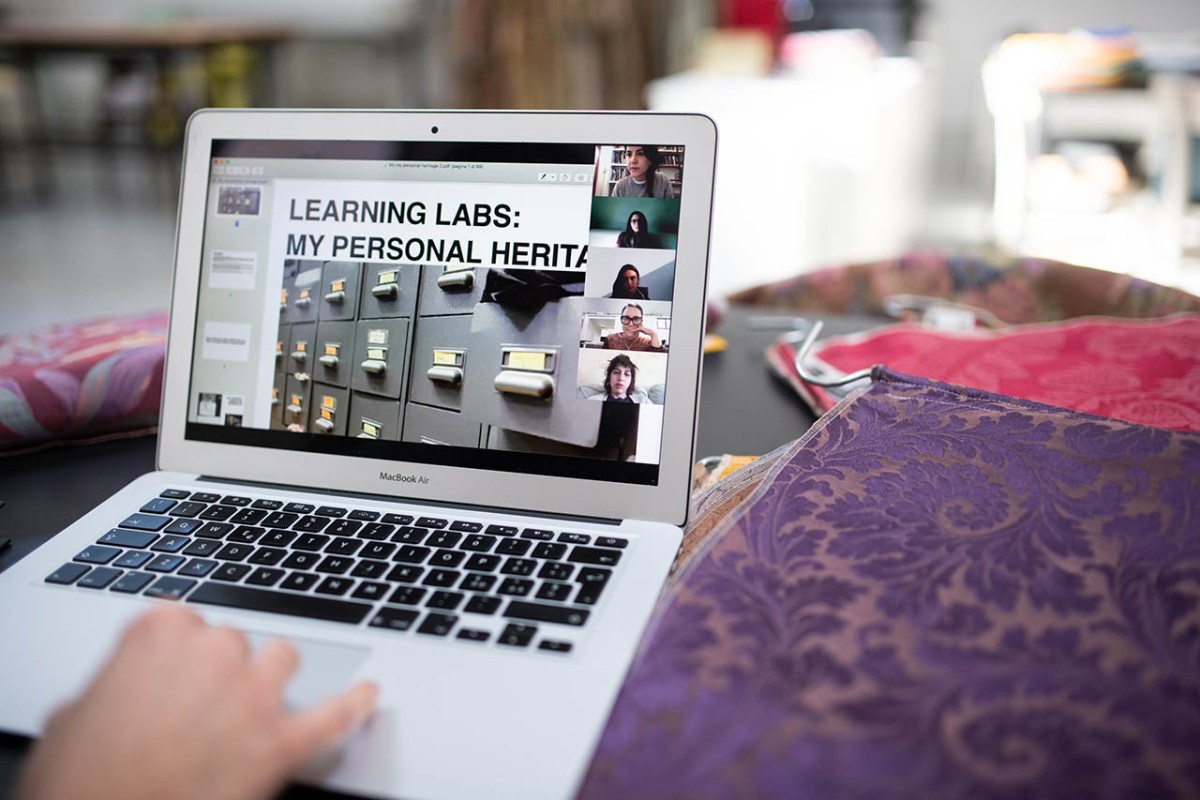
Before going fully online, Lottozero ran a physical test session with textile design students to validate the content and flow. This helped refine exercises and confirm that the approach resonated with learners. For the online version, the team focused on interaction. “Digital connection can feel detached,” they noted, “so we emphasised dialogue and one-on-one exchange.” Instead of running through slides like a lecture, facilitators provoked discussion after each segment, creating a dynamic and social atmosphere.
Creativity Without Limits
Students were intrigued by the novelty of working with physical heritage in a purely digital way. They enjoyed the wealth of images and the freedom to experiment by cutting, layering, and rendering negatives without worrying about fragility. They also gained practical tools for research and learned how to access open resources and online archives.
Feedback revealed a shift in mindset. Students began to reflect on what it means to work with “inspiration” and felt a stronger need to anchor design decisions in a conscious, self-defined creative vision. “This is the best possible outcome,” said the Lottozero team. “We want creatives to find their unique voice and express ideas clearly and unmistakably.”
Impact and Future Plans
The main result was a flexible online workshop that can be adapted for schools, universities, and lifelong learning programs. Teachers praised the cross-disciplinary approach, which offered content students wouldn’t normally access. Informal feedback from students and educators was overwhelmingly positive, with requests to repeat the program in future semesters.
For Lottozero, the LLab was also an opportunity to organise years of knowledge on heritage and archives and immediately put the donated collection to use. “We kept the material dynamic from the start,” the team reflected, “instead of letting it become stationary.”
This Learning Lab showed that archives can be living resources, sparking creativity across disciplines. By blending tradition with technology, Lottozero created a model for how cultural assets can fuel innovation in design, fashion, and art.
Key Takeaways