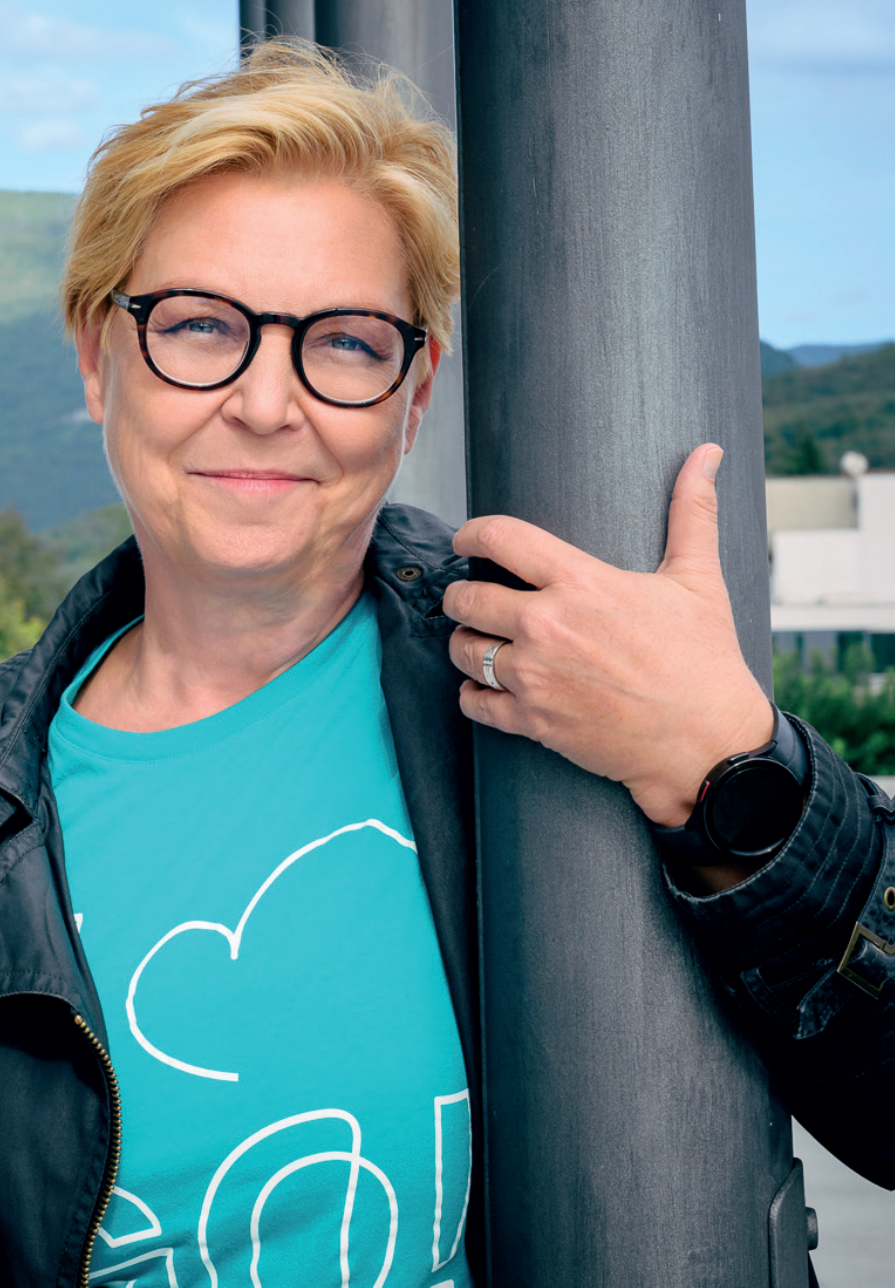

“I wrote it in the bidbook but couldn’t believe it could ever happen” shares Neda. Her story shows how artistic imagination paves the way to real change. As “The end is not close, but it is closer”, in this inspiring interview we explore borders between culture and politics and why “we need to constantly be there” at the borders of the world’s geopolitical tension. Read on.
By Eirini PolydorouNeda Rusjan Bric had a vision for a borderless Nova Gorica - Gorizia. Reapproaching the very concept of "border", with her team she wrote the winning bidbook GO! 2025, led the candidacy, directed the spectacular opening ceremony and served as the ECoC’s artistic advisor. She initiated what Europe celebrated as the first ever ECoC title jointly won by two cities, inspiring the citizens of Slovenia and Italy to see their neighbour's point of view on their "bloody" past. Wrapping up the pioneering GO! 2025 Nova Gorica - Gorizia, CU talked with Neda. Here is her valuable insight and ideas for the future.
CU - Nine years ago, you proposed the ECoC project; today you are bringing it to a close. How does that feel? What has changed during these years?
It’s nine years of my life, a mix of everything and of many changes, as there were really a lot of things we couldn't do and a lot of things were different even after we won the title. There was COVID, which completely changed the world in a way and so on. Even last year, the political situation in the world changed and is changing every day.
CU - What was it like to work and create for one ECoC but across borders? What were the challenges linked with the idea of transcending boundaries on a journey of post-World War II reconciliation?
When we started and I wanted to have this borderless idea, it was more a local thing. Last year and this year this is really not only our thing, not even a European thing but the world’s theme. So, working together despite the bloody history we have between Italy and Slovenia, was about working on all levels, including the political. In a way, I am absolutely sure this was a success. On the other hand, I think we could do more. We can only wait and see what the future brings. If the borderless idea remains as it is today. I am also sure that it cannot be undone. We did this, we are together. But we will see how politics developments in the world, not only Europe, impact us. Between our cities and the citizens, I would say we did a really huge job.
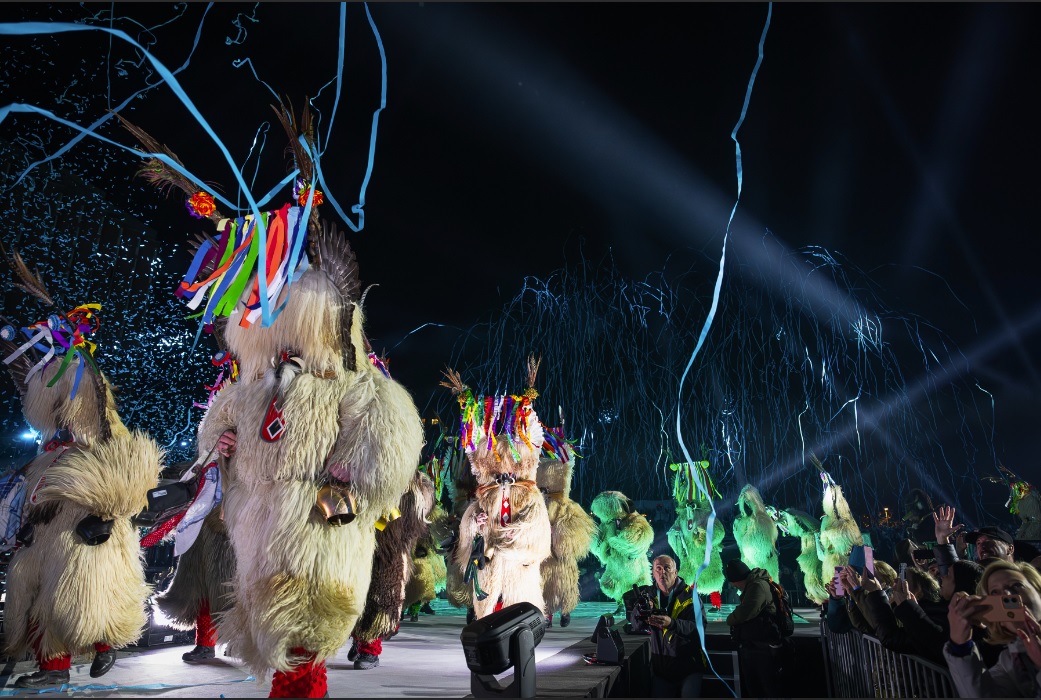 Opening ceremony of the GO! 2025, Foto: Jernej Humar
CU - Were there voices against such a reconciliation? After all, during the last years in Europe we experienced social divisions and rising far-right narratives.
Yes, there were some voices against the reconciliation, not too loud I have to say. On the other hand, we had strong and constant political support from both sides. Both mayors were pro ECoC and we were lucky for that. Despite mayors changing after elections on both sides, their efforts put in the ECoC remained intact. This is because they would see that the ECoC is a big opportunity for both cities. They would see the benefits for the city, not only in money but also politically.
CU - So, how did you handle this “bloody history” in the ECoC? How did you handle the shift of narrative from “borders” to “borderless”?
On our part, we refrained from talking negatively about the past and we managed to work together despite all those things. Many times we heard talks about fascism or communism and strong statements against the ECoC, but still we decided to take a different approach in our programming.
For example, we created EPIC, a European Platform for the Interpretation of the 20th Century. This project serves as a kind of a museum / platform where we hear the stories and narratives from both sides for the same facts.
For example, at the end of WW II when partisans entered the city of Gorizia, which was under fascism, one side calls this liberation while some people in the Italian side call this occupation. So, we have two stories for the same day and we made this platform, where you can hear both sides.
Many times we don’t know the narrative of the neighbour, so this is to help us and also visitors to understand what happened. We have a lot of borders all over Europe and the world and a lot of stories like this. We are not the only one with borders and that’s the point. We wanted to become an example of good practice and I think we achieved it.
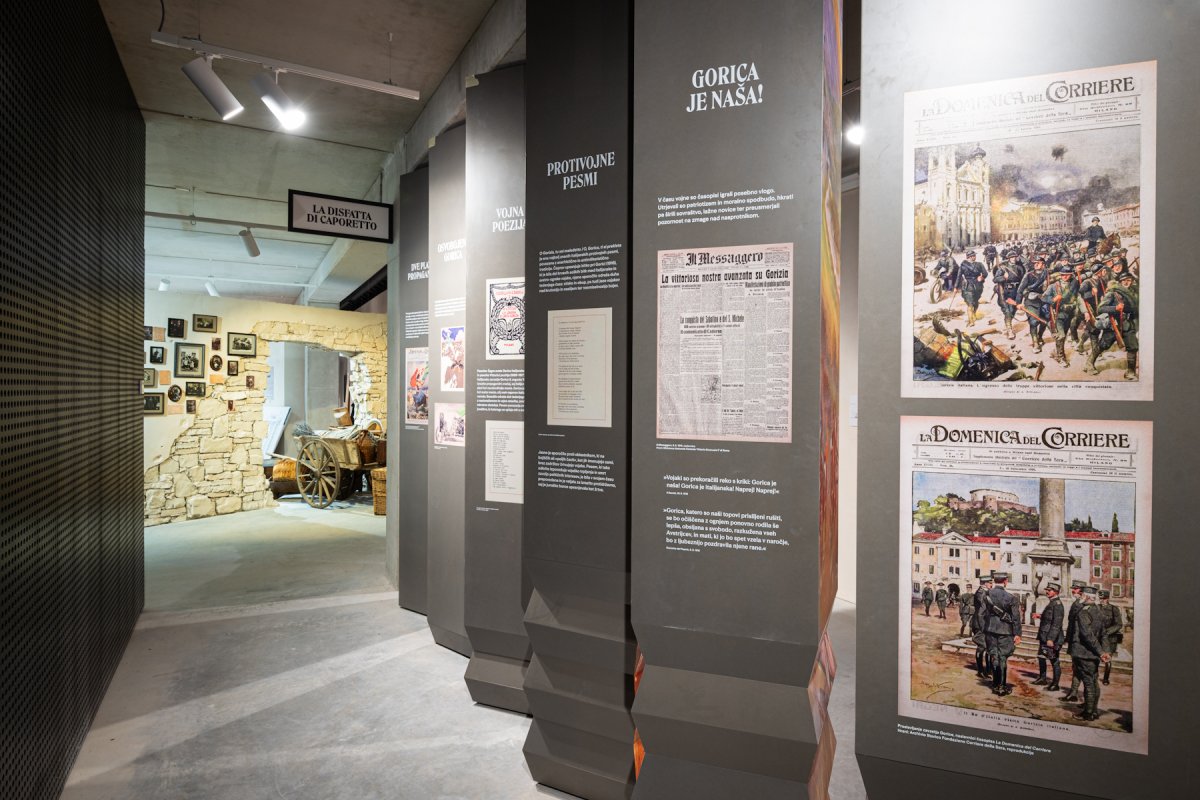 Historical exhibition City of the border, EPICenter, Nova Gorica. Foto: Jernej Humar
CU - You think this approach could be considered a best practice also for Cyprus? Or for areas of ongoing conflict, given the current geopolitical tensions?
We thought a lot about Cyprus and Jerusalem, Palestine as the war from forever that became so hard during our preparation and running of the ECoC.
We have to admit that our situation was not like this, now that we started the ECoC. It was in the past, as we as well talked about a genocide of the Slovenian people by fascism. When painful things are far behind, but the wounds are still here and people are still suffering, as in our case, if something goes wrong there will be hate speech coming out and all over. Obviously, we are in a situation now that while not forgetting the past, we understand we want to live together. Each of us will have our own point of view and this will not change. You can only put it out for anyone who wants to have an understanding.
Life goes on and young people are not aware of this anymore. They just want to live together as for them it’s one city.
So, some time has to pass before you start something, that should not be on artists and culture, but on politics. Artists and culture people always want to cooperate. The problem is the politicians. If you have two municipalities that don’t want to work together, an artist won’t have the legal basis to work. So, this time we tried to build a legal basis for future cooperation as well. This was the effort and this is our legacy. Not only for artists but also for the audience. Let me note that we finally managed to get audiences from both sides, Italian people here and Slovenians there to attend shows and events. We also have a Slovenian minority in the Italian side and also they came. This was also our goal, we managed to do it and now we have to preserve it, as this is the real legacy.
CU - What are your next steps and how would you evaluate the ECoC’s legacy, say five years from now?
There are the evaluation reports that we are preparing as part of every ECoC’s work.
Coming from theatre, I have started working as Artistic Director in Nova Gorica National Theatre. Through my new job post, I can do things to preserve this work, the audience, the contacts with the Italian side, the performances in two languages or with subtitles. I think that every artistic institution has to do the same, as we have to take care of what we actually achieved, if we want to preserve it. It cannot be only one public institution to do this, but all of us. So, we will see in a few years.
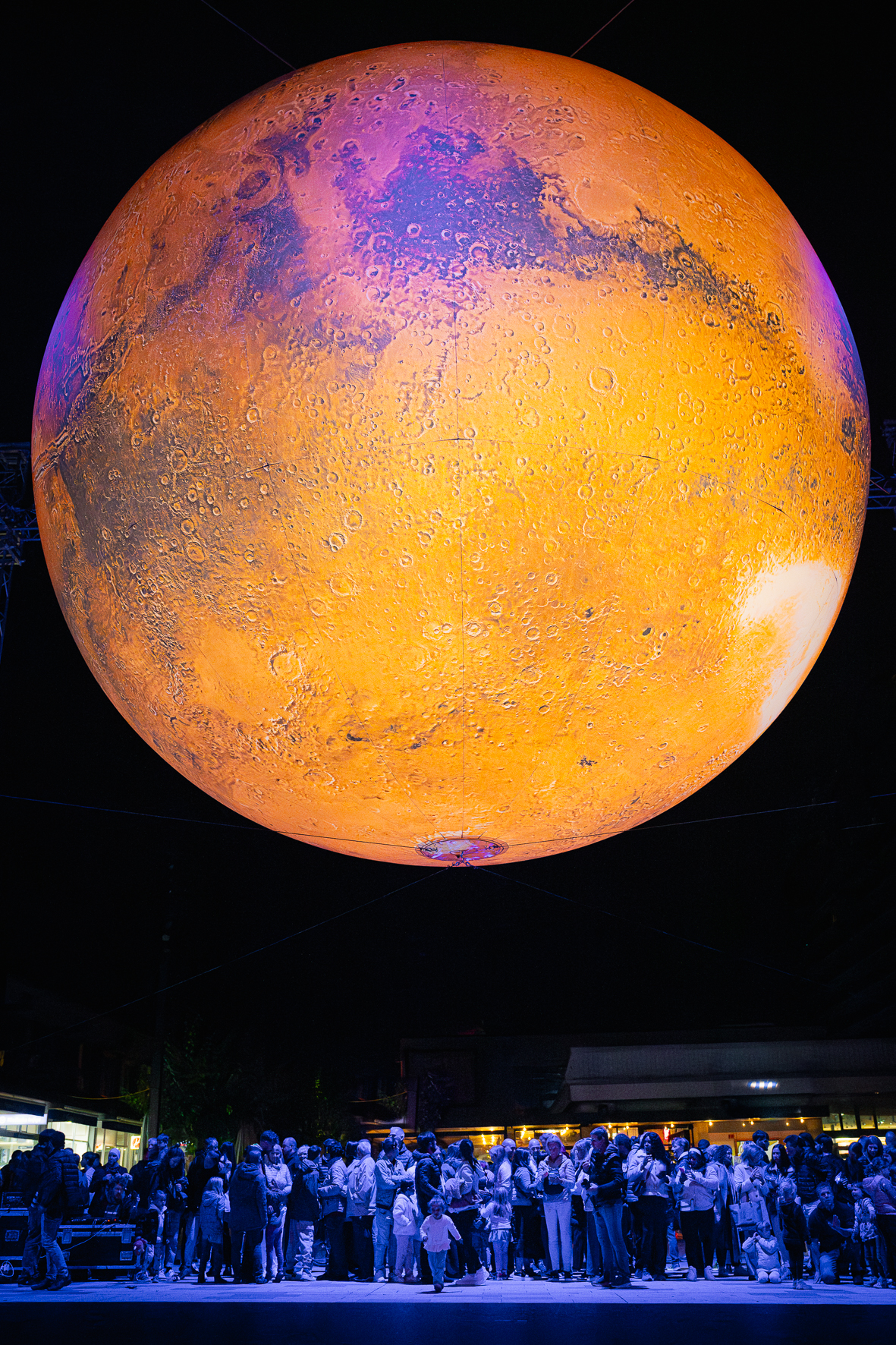 R.o.R Festival, Foto: Jernej Humar
CU - Did politicians embrace the idea of bringing such narratives together?
This came from the side of the ECoC team. Politicians would not talk about fascism, capitalism, communism and so on, but they never did something against the ECoC and they gave us the money to continue our work. So, this is what we in the ECoC team wanted to do. To build let’s say a common future.
It is still of course very hard and one may say there is a lot of work needed that will never be done. But, at least, now you can understand the other side, if you want. Our motto is Go! Borderless. But we are not borderless. We have borders and we have to go there constantly, so the end is not close, but it is closer.
CU - So, since this came from the ECoC team, how did you manage to get such strong political support, which is of utmost importance for the overall project? Didn’t the “borderless” idea seem unrealistic, when you initially proposed it?
Politicians and all involved parties need to see the profits and benefits before they jump in. So, I went and explained again and again all the good things the ECoC will bring for both sides.
Overall, art and cultural events are considered as sources of attraction and multipliers of what is going on, bringing benefits to the overall society.
Citizens also need to see the benefits. To see the lights on the street and join different social entities. The ECoC is a long, complex and heavy process and you need to persuade the politicians that this is worth doing. And this is how culture can actually make politics.
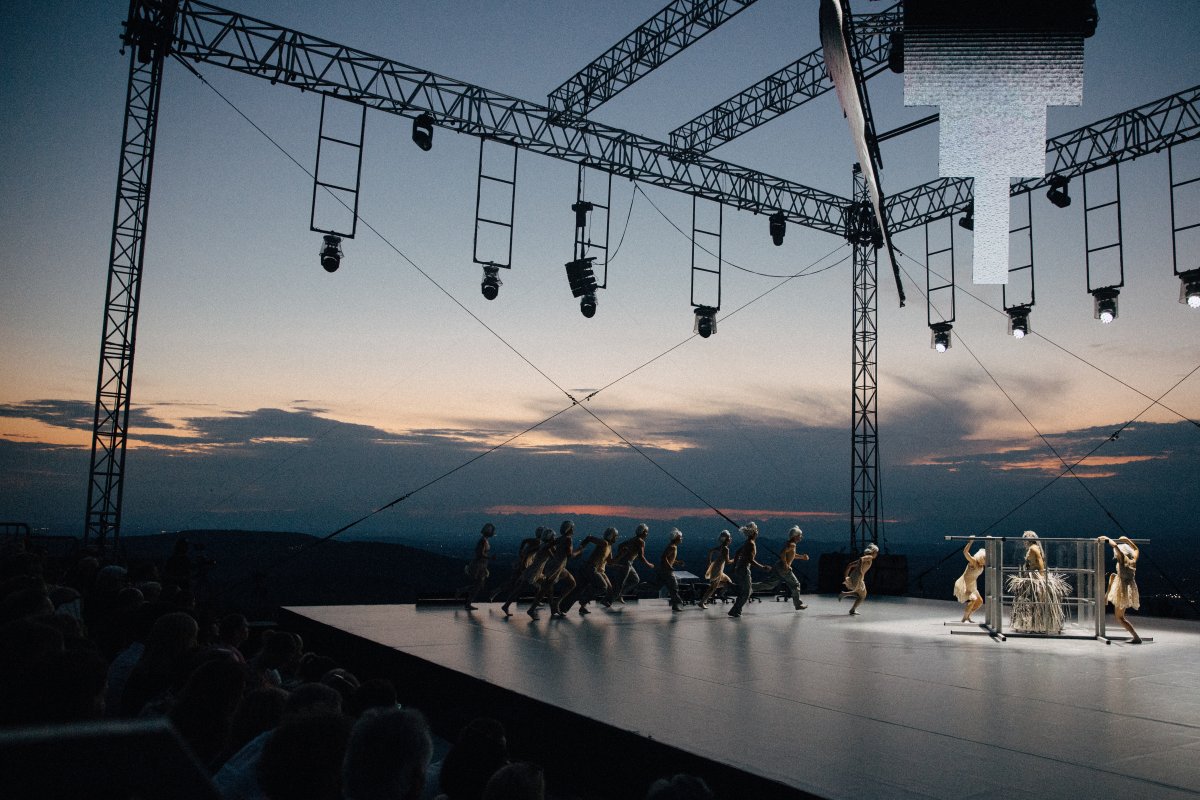 MN Dance Company: Borderless body, Cerje Foto: Natalia Polanskaia
CU - So, which were the benefits in your case? For example we hear that the title brings visitors and investments.
It was huge for us that we had a 40% tourism increase at the peak of our programmes and around 35% increase in visits and overnight stays during the whole year. This came as the ECoC brought the lights on us and sparkled visitors’ interest. The ECoC effect also benefited the broad area. For example, we had the GO! 2025&FRIENDS side programme that involved neighbouring cities, throughout Friuli Venezia Giulia region in Italy.
CU - Were there other ways that the ECoC impacted citizen’s everyday life?
Today, we have the same bus line that crosses the border and goes to both cities. This was not here before the ECoC, and currently we have both Slovenian and Italian routine bus lines. After the ECoC, we also have the share rides system, so people can live in Slovenia and move daily to Italy to work or vice versa. Two different cities, in terms of architecture and looks, are actually one city. The border once cut the city and cut even some graveyards in some areas. Today parents can send their children to school to the other side. The most important thing is that following the ECoC, the two municipalities started to think strategic projects together. For example, to both benefit on tourism. They don’t ignore the other city, but have started to collaborate.
CU - Did the artists take a political stance through their arts in the borderless context?
Artists were absolutely inspired by the topic of the border. Going beyond borders as history or between cultures, they came up with all senses of borderless you can imagine. For example, the project Borderless Body was a four year dance project of research on how the body and the society will grow old and function in the future with artificial intelligence and robotics. We explored many different kinds of “border”.
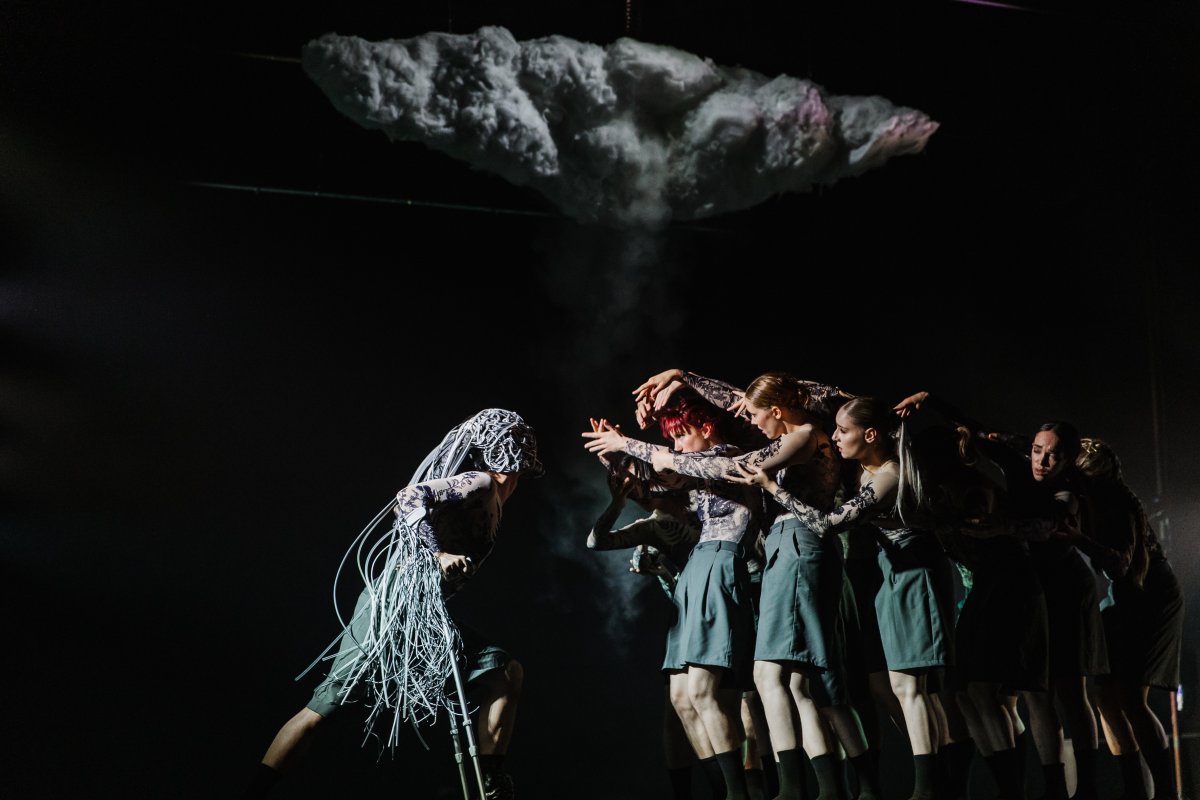 MN Dance Company: Borderless body, Cerje Foto: Klemen Batagelj
CU - Which projects will remain in your heart forever?
The whole ECoC was my heart’s project. If I had to choose, I would say the renovation of the whole border area. Though I wrote it in the bidbook , I never thought that it would become reality. With aid from both sides we managed to renovate the square at the border that is half in Italy and half in Slovenia. This was an abandoned place before the ECoC. Now the place is completely alive, people are joining there, attend concerts there, we have a restaurant and a new cultural space EPIC, where the platform EPIC is, a medium size hall of events, a small bar also hosting different dj events, a sports place, a bike path along the border and so on. Everything is green and all these add to a new corner for both cities. We call it ECoC district. A completely new part for both cities. I hope that events keep going there and the square remains alive.
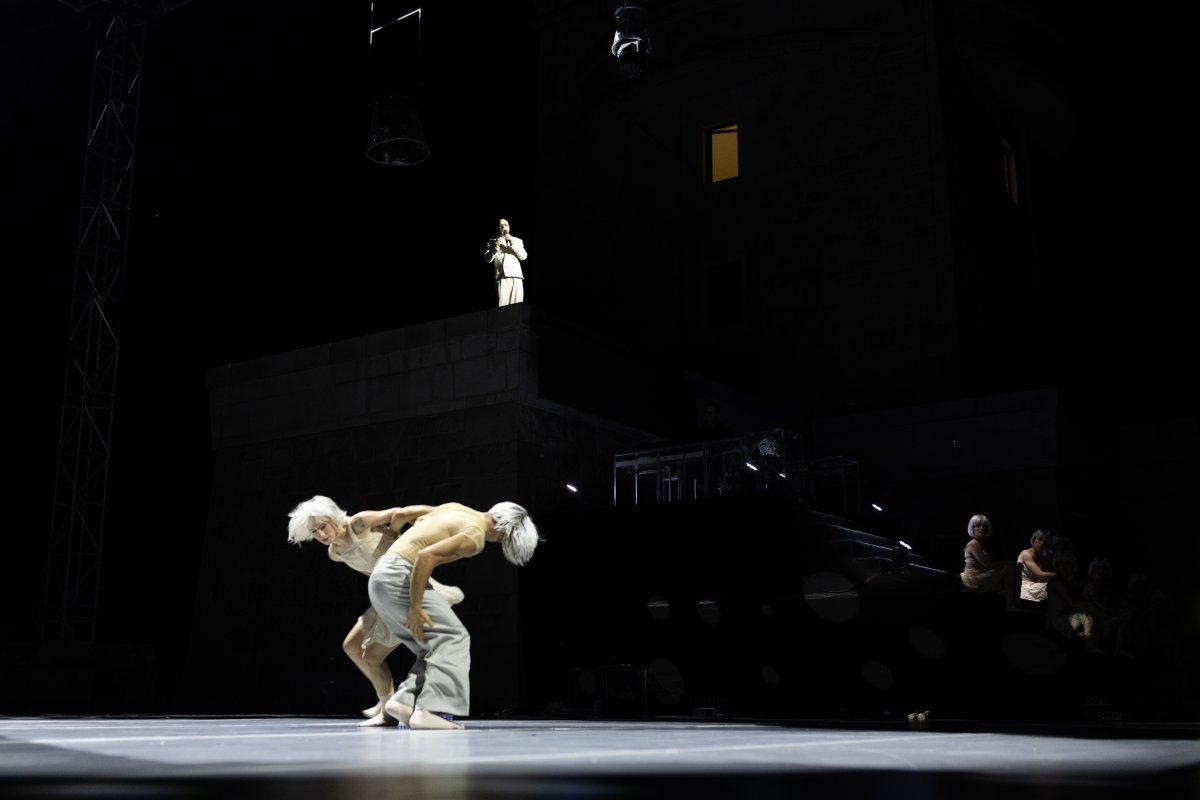 MN Dance Company: Borderless body, Cerje, Foto: Natalia Polanskaia
CU - What were the most pressing challenges organisation-wise?
Bureaucracy was the worst nightmare for us. Of course, this is a problem in every ECoC. For us the bureaucracy challenge was mostly pressing also because there were two completely different systems of the two countries involved that we had to manage.
CU - As the Commission is designing the post-2033 ECoC era. What do you think should change about the ECoC process ? Is bureaucracy the number one challenge?
First of all, there is the White Book that all ECoC family members created together in 2025, proposing specific policy measures.
For me, as an ECoC family member, everybody has huge problems especially in the first and even second years with bureaucracy. It’s unbelievable and I think the Commission can help a little bit, perhaps with giving some European money. Because you don’t get any European money and every country or government do as they want. So, each ECoC has to go through two terrible first years because there is no single path working for everybody and you won't believe what kind of obstacles you find in the way.
Secondly, I strongly believe that wherever they managed to preserve in the leading structure the ECoC at least partly the group who did the candidacy and won the title and who understand what the project is about, it was a great thing. As I say, if you did the candidacy procedure, you went to the school. If you don’t have this school, it’s really problematic. You can change projects even if you don’t even know why these projects are like this. Because if you don’t know how the procedure goes through the candidacy, what is the bidbook and why the bidbook is built like it is. So, if you don’t have this school, the project gets too complex and overwhelming. But in ECoCs where they kept the key persons in the structure, they worked absolutely better and faster. Because they know the project already from the start.
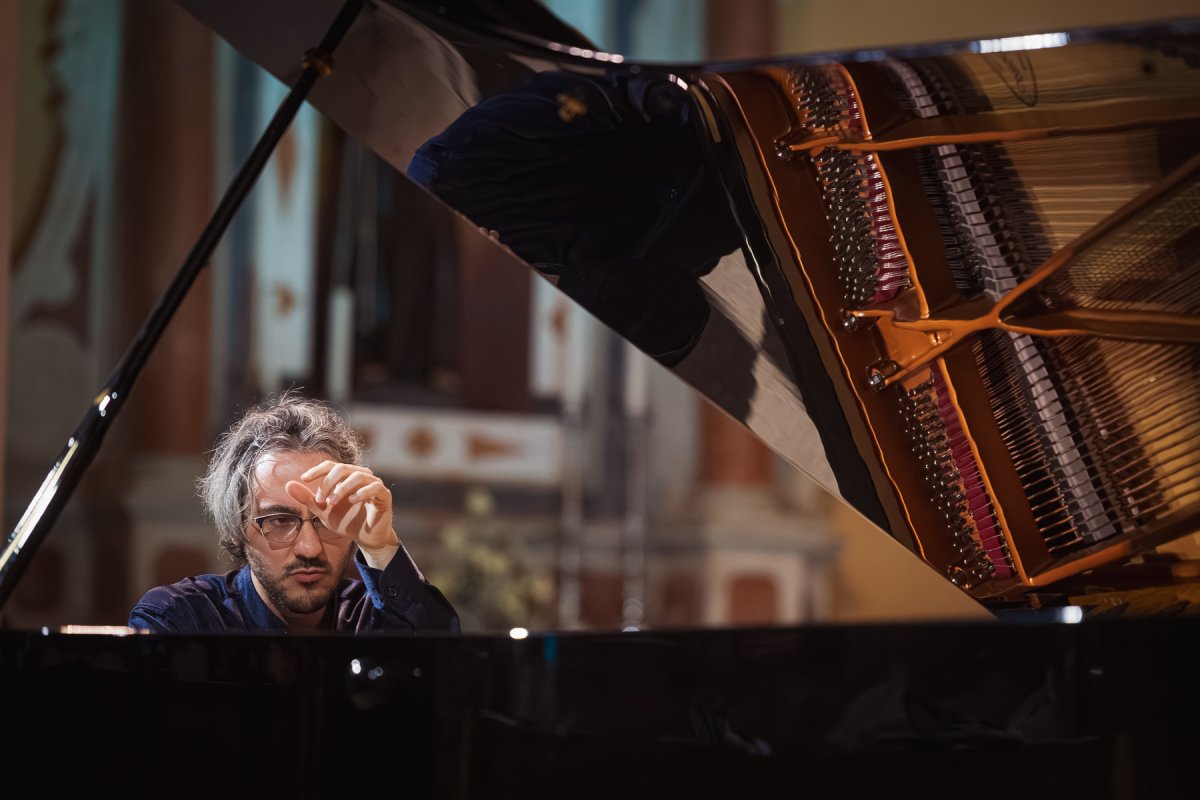 Alexander Gadjiev, concert on Sveta Gora Foto: Jernej Humar
CU - What would be your advice to colleagues currently working on a bidbook?
I would say to take advice from ECoC colleagues. We call it the ECoC family for a reason, because we find in each other, someone else going through the same thing.
The first thing one needs to understand when writing a bidbook is that on top of showing how your city is beautiful you also need to show the lacks, obstacles or challenges of the city and the plan, will, money, effort and team to address them, eventually switching from a situation A to a situation B through a cultural and artistic programme. This is actually in short a bidbook plan. Often cities only focus on highlighting their beautiful parts and hiding the others, but the ECoC is not the project for that. You have to expose whatever you think is not ok and change it through culture. I think the panel of experts is indeed a panel of experts and they can see through.
CU - What would be the one thing that you would keep in your heart from all the ECoC experience?
You have to never stop. Despite all the problems you had, you have and you will still have, you have to go on. That’s why “GO! Borderless!”. Go! Just go. It’s not that you will ever be there. But you have to keep going.
Neda Rusjan Bric (also Neda R. Bric) was born in 1967 in Šempeter pri Gorici, a Slovenian town close to Italian border. She received her BFA in theater acting and later also master’s degree (MA) in Theater directing both from the Academy of the Theatre, Radio, Film and TV in Ljubljana. For more than 20 years she has been a permanent member of Slovensko Mladinsko Theater in Ljubljana, gaining international coproductions and tours experience . She has been a general and artistic manager of National Theater in Nova Gorica from 2014 until 2016. She works as a theater director, writer and actress in Slovenia and abroad, she was an author and director of numerous big events as state celebrations and different gala projects, including the big Opening of European capital of culture Nova Gorica – Gorizia in 2025. She writes for TV and radio, children’s books, screenplays and theater plays. She is also a professor of screenwriting at the School of Arts, University of Nova Gorica. Having been the initiator and head of the candidature for European capital of culture Nova Gorica – Gorizia 2025, artistic director after winning the title in 2020 and later the artistic advisor, she works at the moment as Artistic Director of Slovenian National theater Nova Gorica.
Photo at the header by Jernej Humar