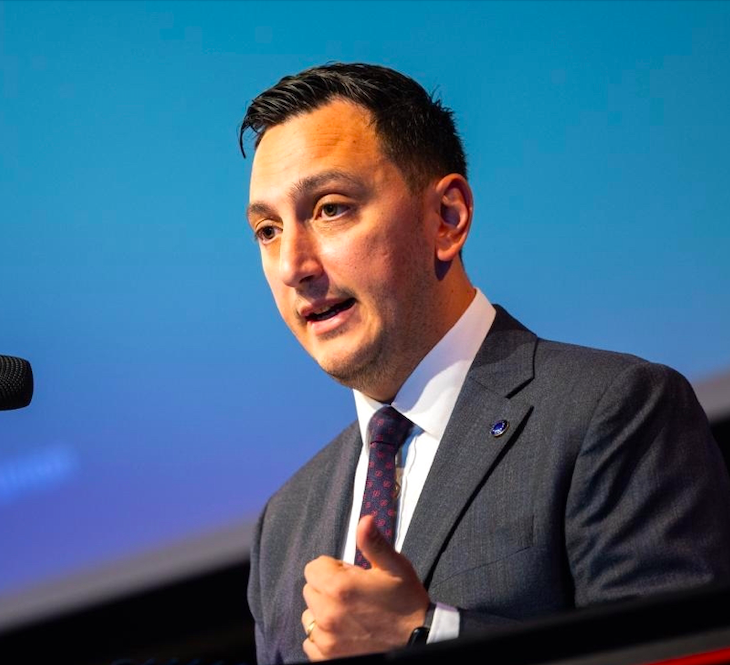


Europe's cultural and creative sectors face a pivotal moment in which technology is reshaping everything, Glenn Micallef, Commissioner for Intergenerational Fairness, Youth, Culture, and Sport, warned on Tuesday, speaking at the final conference of the Creative FLIP project. He didn't stop at the diagnosis but used FLIP conference to set out a sweeping agenda of policy measures intended to strengthen the continent's creative sectors.
"The Commission wants to double the current funding for culture. And we are exploring new ways to support culture beyond traditional grants. So that these sectors too can access the resources they need to take risks. To develop new ideas."
Micallef defended investment in culture at a time of constrained public budgets and outlined three significant policy commitments: a dedicated AI strategy for creative sectors, an EU Artists' Charter to address working conditions, and a forthcoming State of Culture Report.
A strategic framework already in motion
Central to Micallef's remarks was the Culture Compass for Europe, described by the European Parliament's research service as the most ambitious EU strategic framework for culture to date.
The Compass replaces the New European Agenda for Culture, which had guided EU cultural policy since 2018, and sets out 20 flagship actions to be implemented across four key directions: upholding cultural rights, empowering artists, strengthening competitiveness and cohesion, and championing international cultural relations.
It provides directional clarity rather than a fixed map. "In this period of rapid technological, environmental, and geopolitical change, nobody can provide a detailed map of the future," Micallef told delegates. "But we can provide direction. A shared understanding of the values we want to fight for."
He also pointed to the scale of what is at stake. Europe's cultural and creative sectors employ almost 8 million people and, according to Eurostat's most recent data, generate close to €200 billion in value added annually—a figure that encompasses cultural, social, and economic contributions across the bloc.
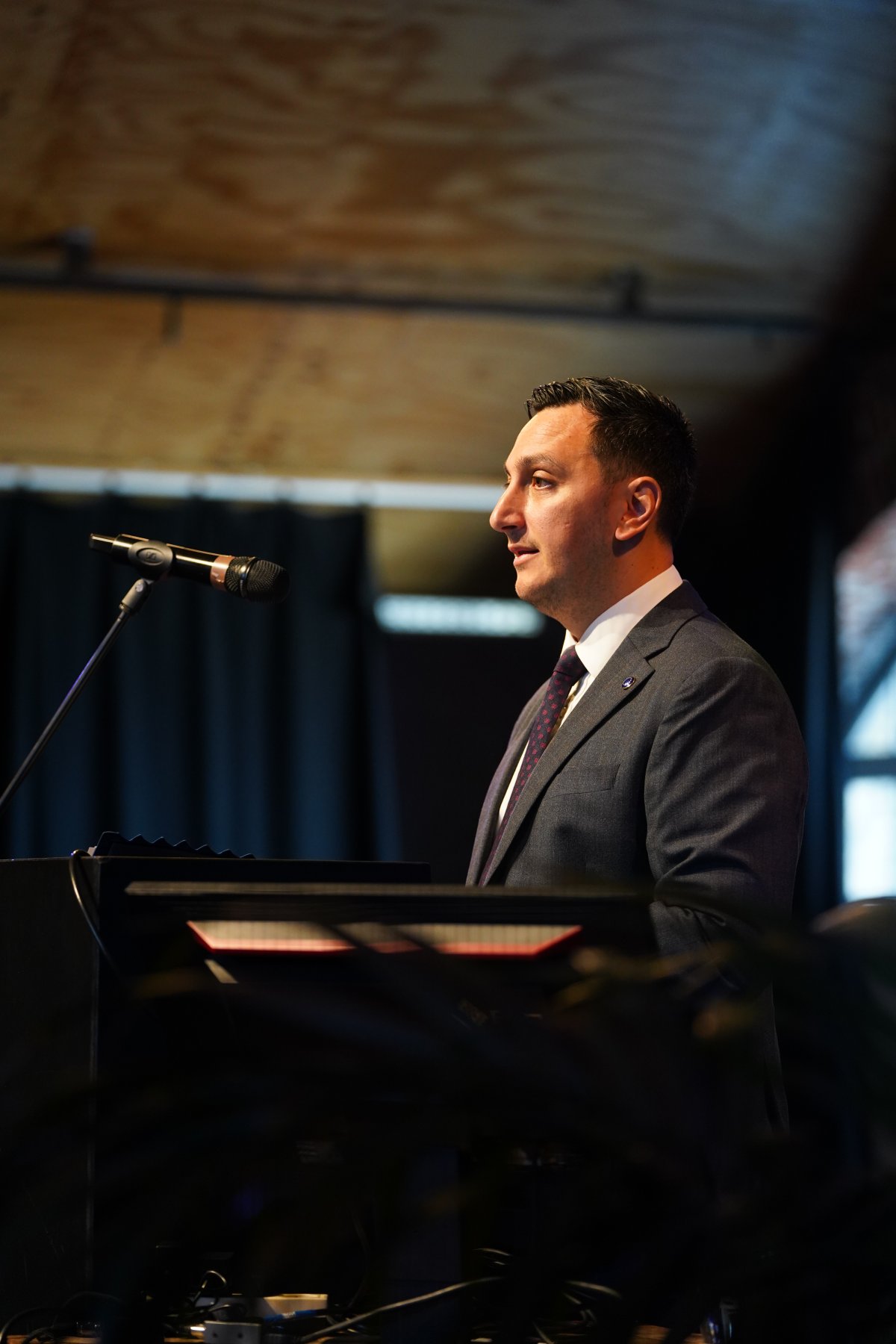
Micallef announced that the Commission, Parliament, and Council of the EU are preparing to sign a Joint Declaration entitled "Europe for Culture, Culture for Europe," which would represent the first tripartite culture-specific declaration in EU history.
"The signing of the declaration is not the end of a process," Micallef said. "Nor is it the beginning of one. The work is already underway."
The commission is developing a dedicated AI strategy for the cultural and creative sectors, expected to be released in early 2027, according to Micallef. The strategy — one of the 20 flagship actions within the Culture Compass — will address questions of licensing, compensation, and the protection of human creativity, as well as the preservation of Europe's cultural and linguistic diversity.
"We discuss licensing, compensation, and what creators are owed," Micallef said, framing the strategy explicitly as a tool to support human creativity rather than displace it.
The commissioner also reaffirmed work on an EU Artists' Charter, which will outline fundamental principles and commitments for fair working conditions in the cultural and creative sector. Consultation with artists and cultural professionals began in December 2025, ahead of a High-Level Round Table on Artists' Working Conditions hosted jointly by Micallef and Executive Vice-President Roxana Mînzatu.
The Charter is one of the Culture Compass's key actions and aims to address precarious employment patterns—short-term contracts, undeclared work, and income instability—that affect a large share of the sector.
"For an artist, that may mean being able to pay the rent," Micallef said, employing a phrase that has become something of a personal rallying call since he took office. "For a young creator, it may mean access to new skills and opportunities."
The commissioner outlined a structural approach built on three pillars: dialogue with cultural stakeholders, a new European Cultural Data Hub to underpin the planned State of Culture Report, and investment.
On the last of these, Micallef pointed to the commission's proposal—set out in the Multiannual Financial Framework for 2028–2034—to more than double current funding for culture through the new AgoraEU program. The proposed budget of €8.6 billion for AgoraEU—which would merge Creative Europe with the Citizens, Equality, Rights and Values (CERV) program—represents more than double the combined budgets of the two existing programs, which total €3.94 billion.
"Every euro invested in culture pays back twice: today and tomorrow," Micallef told delegates, adding that the Commission is also exploring new financing mechanisms beyond traditional grants to help cultural organisations take greater risks and develop ambitious projects.
Creative FLIP—standing for Finance, Learning, Innovation, and Patenting—has operated as a policy project co-funded by the European Union, led by a consortium including the Goethe-Institut, the European Creative Hubs Network, IDEA Consult, and the Intellectual Property Institute Luxembourg.
The commissioner described Creative FLIP as an early mover in recognizing that rapid technological change would require new skills, new partnerships, and new approaches. "By helping Europe's cultural and creative sectors experiment, learn, collaborate, and prepare for the future," he said, "Creative FLIP has done something similar to what artists do—they explore possibilities before the rest of us can see them."
Creatives Unite, will publish in the days to come a detailed report on FLIP conferences works last Tuesday in Brussels with exclusive photos and statements by speakers and participants