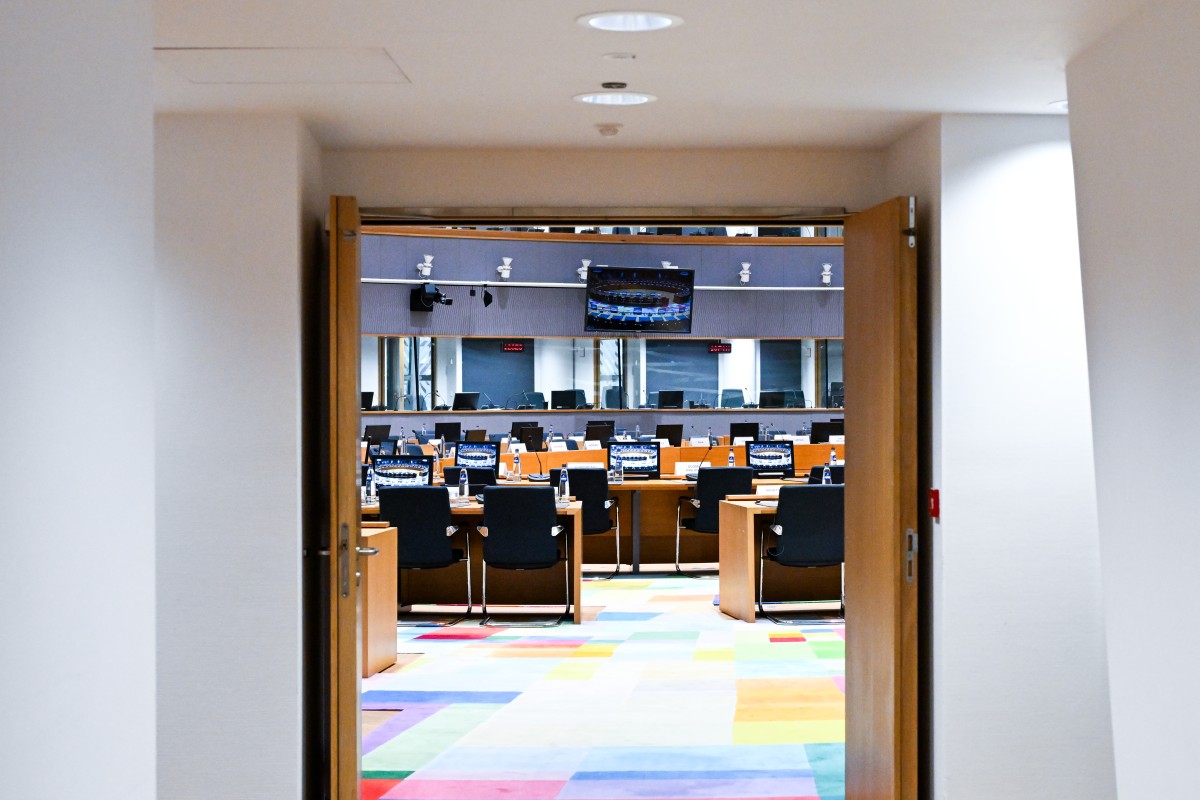
EU ministers meeting in the Council’s culture configuration on 20 November approved the Work Plan for Culture 2027–2030, the framework for how member states and the European Commission will co-operate on cultural policy over the next four years.
The text had cleared the preparatory stage earlier in the month. A council secretariat note of 3 November said the Cultural Affairs Committee had examined the draft and that it had the agreement of all delegations. The plan is built around four areas of focus, which the resolution says are “inspired by the key directions of the 2025 Culture Compass for Europe”:
• strengthening European values, cultural rights and artistic freedom;
• empowering artists and cultural professionals and supporting people and society;
• culture and competitiveness, resilience, innovation, sustainability and cohesion;
• international cultural relations and partnerships.
The Work Plan’s four areas follow the Commission’s strategy, the Cultural Compass, published on 12 November 2025, closely. Among them are the EU Artists Charter, an AI strategy for the cultural and creative sectors, the EU Cultural Data Hub and EU guidelines on strategic investment in culture, and the Work Plan, which says the Work Plan should feed into each.
The resolution calls the status, working conditions and cross-border mobility of artists and cultural professionals a key priority. It says they have a right to fair and safe working conditions, and it names precarious work and gender and representation gaps as continuing problems. It also points to training in both traditional crafts and new digital technologies.
What it does not do is create a new EU employment regime. The tools are modest. Peer-learning activities, which are voluntary and led by member states, may cover working conditions, fair pay, gender and representation gaps and barriers to cross-border mobility. The plan also calls for regard to be given to the recommendations of the 2023 OMC report on artists’ status, including through stocktaking, which the timetable lists as a possibility. It is also meant to support the Council’s input into future initiatives in this field, including a contribution in good time to the Commission’s planned EU Artists Charter.
Artificial intelligence
AI is the first action listed in the plan. The resolution treats generative AI as both an opportunity and a threat to the cultural and creative sectors, citing its effects on human creativity, jobs, fair pay, business models, copyright and related rights, transparency, discoverability, linguistic diversity and the prominence of European content. It says addressing those effects calls for modernising the copyright infrastructure, a term the text defines as the rules, technologies and institutions that govern how data is managed in the creative industries.
The main mechanism is a series of targeted policy dialogues. Three indicative topics are named: AI and cultural and linguistic diversity; AI and employment, covering job displacement and transformation, working conditions, fair remuneration, skills and AI literacy; and other emerging issues such as arts education, sector-specific effects and cultural data as a resource for AI. The employment dialogue’s expected output is evidence-gathering on labour-market effects and consideration of possible policy responses.
The caveats matter. The annex on working methods says the Commission will organise the dialogues provided budgetary conditions are met, the topics are described as indicative, and the timetable marks two dialogues as possible rather than fixed. The same timetable does list a conference on AI, intellectual property and employment conditions in the sector.
Nor does the plan settle how creators should be paid when their work is used to train AI. It says many AI questions should be considered in the forthcoming AI strategy for the cultural and creative sectors, which the text says will be informed by consultation with member states.
Another expert group will look at culture and heritage in crisis and disaster preparedness, including early-warning and response mechanisms and security against theft from museums. The text cites Russia’s war against Ukraine, extreme weather and museum thefts as pressures. A third will examine how to safeguard artistic freedom, working with the Council of Europe and UNESCO. A network of member-state experts on cultural data is meant to inform the Commission’s planned EU Cultural Data Hub.
The Commission’s implementation report is due by June 2030, and at the end of each presidency trio, the sitting presidency is to lead an informal review of progress in the Council’s Cultural Affairs Committee. The text contains no budget figures: it says the Commission may support the plan with expertise and, where appropriate, logistical or financial help.
The sector has been advocating for a work plan that goes beyond broad priorities and addresses the sector’s immediate vulnerabilities: artistic freedom, precarious work, secure cultural infrastructure, stable long-term funding, socially engaged practice, and culture’s place across wider EU policy. The draft published on July first explicitly cited CAE’s sector consultation when acknowledging threats to artistic freedom, including censorship, funding cuts and politically conditioned funding; it also recognised precarious work, fair remuneration, the need to continue work on artists’ status, and the importance of the future Artists’ Charter.
However, the final Council Resolution narrows and softens several of these commitments. It retains artistic freedom, artists’ working conditions, fair pay, mobility, culture financing and AI as priorities, but frames them largely as areas for peer learning, stocktaking, expert groups and policy dialogues rather than binding obligations or guaranteed resources.
The same pattern appears on funding. CAE pressed for secure cultural infrastructure and a better balance between short-term project funding and long-term operational support. The Council’s approach instead emphasises “unlocking” culture financing through innovative instruments, private capital, philanthropy and public-private partnerships, while embedding culture in broader EU funding streams.
Most importantly, the final work plan does not address the use of cultural works in AI training and protection from AI-driven job displacement. Instead, it establishes targeted policy dialogues on AI and cultural diversity, employment, and emerging issues, which will inform the Commission’s future AI strategy for the cultural and creative sectors. It therefore acknowledges the sector’s concerns but postpones binding answers on copyright, remuneration and job security to later policy processes.
M.T.