Two Parliament committees, the CULT & LIBE want to raise spending on the arts, news and civil society by about 20% after 2027, compared to what the European Commission has proposed. They also want the money locked into five ring-fenced strands rather than three. Formal talks with governments will wait until the EU’s wider budget is settled.
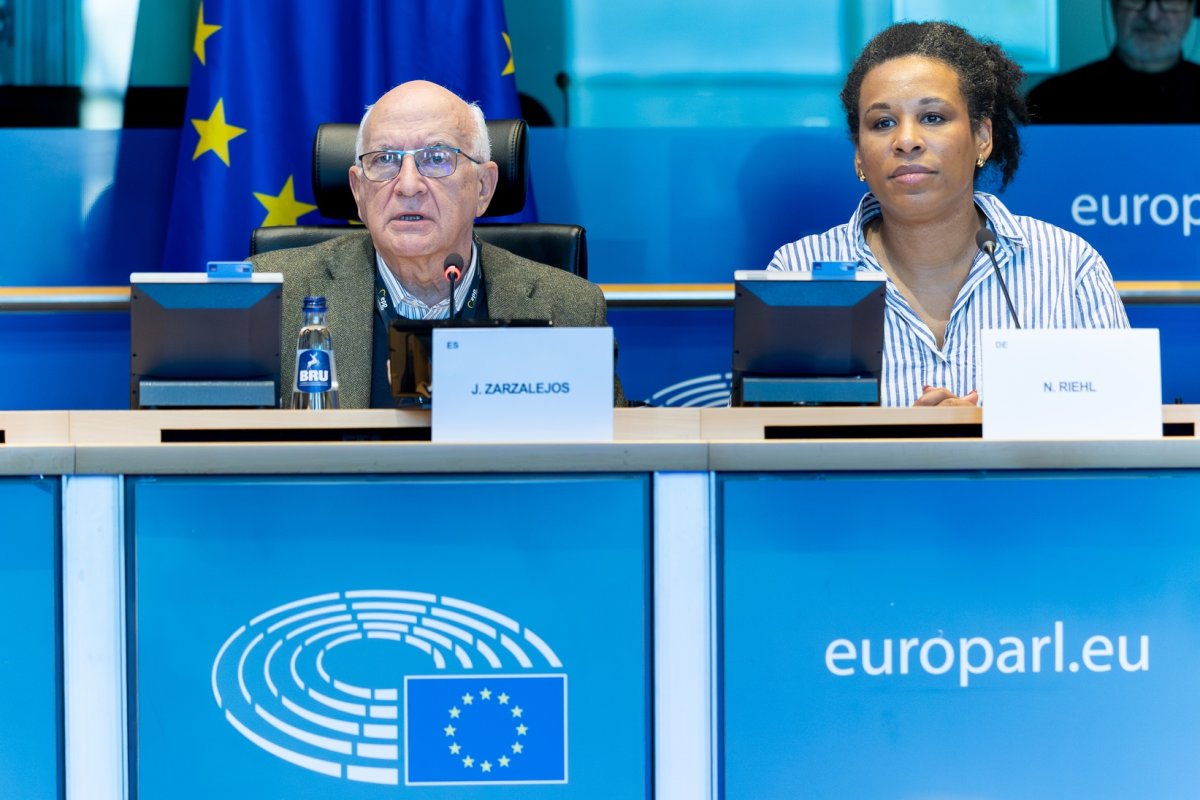
The European Parliament’s Culture and Education and Civil Liberties committees finalised their position yesterday (Thursday 19 November) on AgoraEU, in the 2028-34 budget.
The committees propose €10.72bn for 2028-34. The Commission asked for €8.58bn, so the Parliament figure is roughly 20% higher on either measure.
The biggest structural change is journalism. In the Commission’s version, news sits inside MEDIA+ alongside audiovisual and games. MEPs would give it a strand of its own, backing investigative reporting, local and regional outlets, fact-checkers and the protection of journalists facing threats or unlawful surveillance. Alice Kuhnke, the Swedish Green MEP who co-led the file for the civil liberties committee, said the aim was to “give independent journalism its own budget”. Parliament’s draft says the dedicated allocations should preserve the autonomy and visibility of each strand.
The culture strand would expand its remit to music, literature, performing arts, architecture and heritage. MEPs want action against what they call cultural and media deserts, meaning places poorly served by cultural life or local news. Parliament would also gain annual public spending reports and the power to object to the Commission’s work programmes.
MEPs would also move Daphne, the programme against gender-based and domestic violence and violence against children, out of CERV+ and give it 11 per cent of the budget. CERV+ would gain rapid support for civil-society groups and human-rights defenders under threat, backing for judicial independence and whistleblowers, and funding for free and fair elections.
Emma Rafowicz, the French Socialist rapporteur, said the vote sent a message of support to sectors essential to democracy and sovereignty. That mandate is expected to go to a forthcoming plenary session for approval.
AgoraEU is being decided under the ordinary legislative procedure, so it becomes law only if Parliament and the Council of the EU approve the same text. The three-party agreement is not close. After the October summit, Parliament’s research service found that member states were still far apart, putting a deal by the end of 2026 in jeopardy. Leaders invited the European Council president, António Costa, to take the talks forward with a view to a “timely agreement”.
A special summit on the budget is scheduled for 26-27 November. Parliament’s own position on the overall budget, adopted in April, asks for about 10 per cent more than the Commission proposed.
Cultural networks have broadly welcomed the CULT–LIBE vote as an important political signal, but their reaction is cautious: they see it as a necessary counterweight to proposed budget cuts, not yet a guarantee of funding. Their main concern remains whether the Parliament’s €10.72 billion position survives negotiations with EU governments.
Culture Action Europe, Europa Nostra, and the European Cultural Foundation, along with over 1000 cultural organisations across the continent, have been campaigning to protect—and ideally increase—AgoraEU funding. Culture Action Europe welcomed the news: "Parliament’s position provides a good basis for further interinstitutional negotiations between Parliament, Council and Commission in 2027. MEPs brought forward many ideas that the cultural sector has long advocated for — we hope that as many as possible will survive the negotiations and be retained in the final AgoraEU Regulation," the network said in a detailed analysis of the vote.
In response, the European Theatre Convention (ETC) and 12 Germany-based cultural networks, echoing a broader European campaign of over 1,000 organizations, have issued a joint appeal urging the German government to reject the funding reduction and ensure that Europe's ambitious cultural and democratic framework is matched with adequate financial backing. "The parliamentary compromise is encouraging. But it does not resolve the ongoing budget negotiations. Europe's cultural and democratic infrastructure needs both strong political commitments and the financial resources to deliver them," writes ETC in a post.
The creation of a dedicated news and journalism strand was welcomed by press-freedom advocates. Reporters Without Borders said the committee text gives unprecedented recognition to independent, local, regional, and public-interest journalism and makes reliable information a funding priority for 2028–2034. Provided, of course, that the AgoraEU survives the proposed cuts.
“Recognising the key role of journalism in democratic resilience while drastically reducing the resources available to support it would be a major contradiction. We are witnessing a war against facts, and independent, reliable journalism is a prime target," said Julie Majerczak, RSF Permanent Representative to the European Union. "The penny-pinching approach proposed to member states by the Irish Presidency – savings that represent just 0.14% of the European Union’s total budget – is a perfect example of this inconsistency. RSF calls on the European Council and the other EU institutions to demonstrate renewed democratic resolve by supporting independent journalism and citizens’ access to reliable information!"
Image: Alain ROLLAND © European Union 2026 - EP Multimedia Centre