
Screenwriters streamline a Less Is More manifesto and Cli-Fi films redefine Climate Change narratives. Artistic freedom and green training are among the conditions empowering the green transition in the new paper by Creative FLIP, combining stories of hope with policy making.
By Eirini PolydorouThe Green transition starts by telling a story and who is better at such a task than artists and culture professionals? Having this in mind, Creative FLIP issued a policy orientation paper, exploring how to integrate art, culture and heritage in transformational (culture) policymaking for bringing the green transformation further in the EU.
"People have difficulties to cope with (permanent) change. The narratives of crisis can alert, but might cause disorientation and fear. However, to better cope with change we require positive perspectives" said Sylvia Amann from Inforelais, author of the paper. "Arts help us imagine new futures that creative industries transform into sustainable products, while heritage professionals may teach us how previous generations have tackled transformation" she added.
The paper is the second of Creative FLIP's series (Culture) Policy Orientations in Times of Rapid Change, following the first issue on Culture Spaces & Democracy.
Stories of hope towards a future of sustainability
The paper includes ten inspiring best practices showcasing how to mobilise green storytelling through arts, culture and heritage. Here are some examples on a local, national and european level.
Climate Change Fiction (Austria) Tatiana Konrad's research “Climate Change Fiction and Ecocultural Crisis” investigates popular narratives which are able to further the understanding of climate change in contemporary fiction. She traces back the cli-fi genre to the nineteenth century and advocates for its expansion and redefinition.
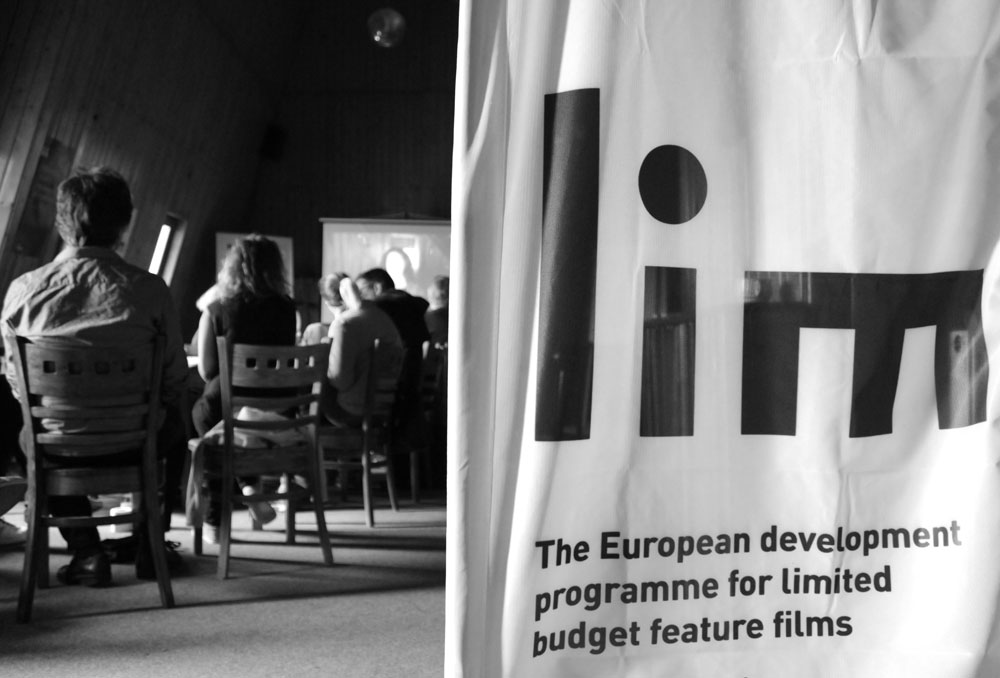
LIM Manifesto (European Union) LIM (Less is More) uses creative limitations as a tool. This EU Creative Europe project aims at supporting screenwriters to streamline apparent complexity. A well-understood limitation strategy triggers strong formal choices that can help make the games of a private imagination meaningful to all – especially in times of overconsumption and deep ecological concern.
The Big Green Project (European Union) is a large-scale Creative Europe project implementing artivism activities to foster social change and disseminating information. The project aims at encouraging positive utopias and expanding views on possible futures in view of more sustainable ways of living.
A range of focused policy proposals are included in the paper, starting from broadening the use of CCS’ green storytelling to different policy sectors, e. g. industry, agriculture and innovation.
Regardless the sector, any programme combining culture and the environment should safeguard artistic freedom. This means that culture and green funding programmes "should not dictate storylines and formats of the green stories to tell" reads the paper. Protection of artistic freedom includes protecting the artivists and other CCS activists engaging for environmental causes against SLAPPs. AI protection and investments in safe culture spaces are also reflections of safeguarding artistic freedom.
Green skills are another important enabler for arts' and culture's contribution to the green transition. The paper proposes policymakers to train CCS stakeholders from art, culture, creative industries and heritage to acquire the skills needed for green (participative, effective) storytelling and related (job) market opportunities.
Find more here
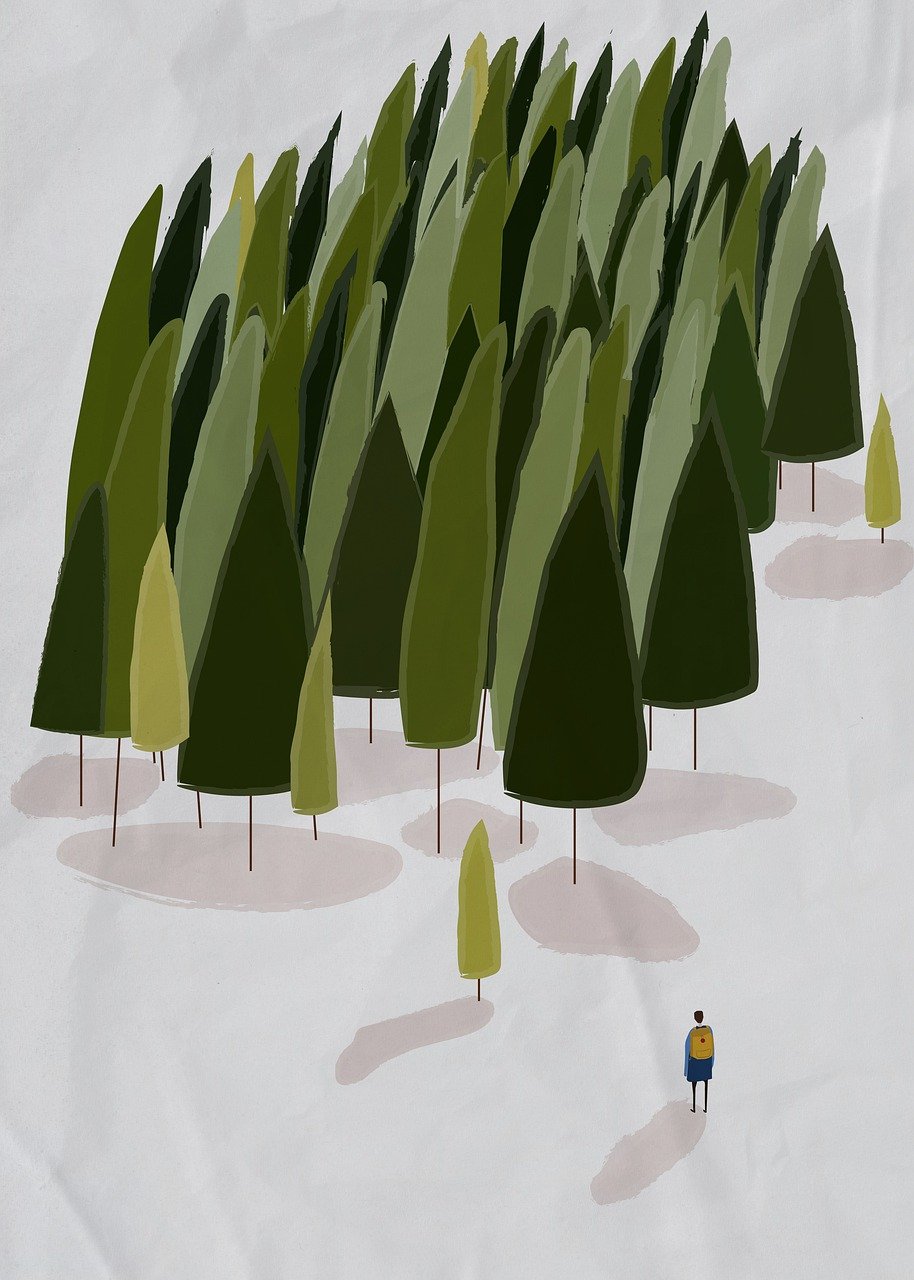
Image by nini kvaratskhelia from Pixabay - Free for use under the Pixabay Content License