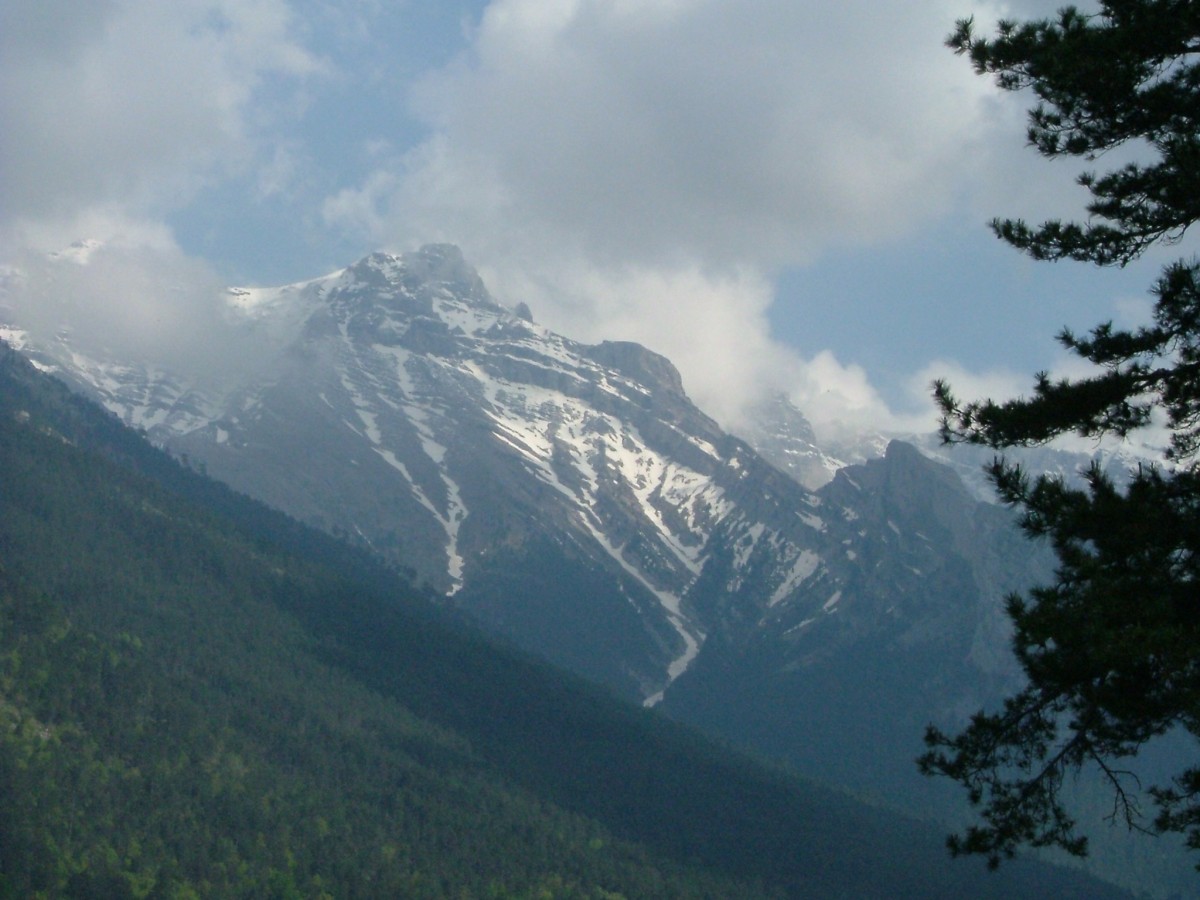



The wider area of Mount Olympus was unanimously inscribed on the World Heritage List on Sunday at the 48th session of the World Heritage Committee in Busan, South Korea, according to a joint statement by the Greek ministries of culture and environment and energy. The listing designates Olympus a "mixed" property, recognised for both cultural and natural value, a category Greece already holds for Meteora and Mount Athos. Greek officials and multiple news agencies reported that the decision brings the country's total to 21 World Heritage sites, three of them mixed.
For most of last week, inscription looked unlikely. Advisory bodies assessing the nomination had recommended it be referred back to Greece rather than put to a vote, and a draft of the Busan agenda indicated the committee would send the file back for further detail. The committee did not follow that advice. The unanimous vote came after intensive diplomatic consultations in the session's final days, and Greek officials had acknowledged beforehand that the outcome was uncertain until Sunday.
Greece placed Olympus on UNESCO's Tentative List in January 2014 under four proposed criteria covering mythological association, geology, ecological processes and biodiversity. UNESCO's listing for the property records the inscription criteria as mythological and literary significance and biodiversity, covering an area of 18,938 hectares. The geological criterion and the criterion on ecological processes, both in the original nomination, did not survive into the final decision.
UNESCO's citation for the property describes the landscape ancient Greeks held to be the abode of the Twelve Olympian Gods and Zeus, a reference point for Greek mythology through the writings of Hesiod and Homer, and — geologically — a mountain of glacial cirques, limestone cliffs and karstic sinkholes that has also served as a glacial-era refuge for forest species and a Mediterranean biodiversity hotspot. The designation rewards a campaign Greece pursued for twelve years for a mountain rising 2,918 metres from near sea level, long already protected domestically as a national park and a UNESCO biosphere reserve.
Greek officials framed it accordingly. Prime Minister Kyriakos Mitsotakis wrote: "The mythical Olympus becomes a mountain for all humankind, which must be protected forever." Culture Minister Lina Mendoni said the inscription affirmed "the inseparable unity of Greece's cultural and natural legacy". Locally, the reaction was more circumspect. Evangelos Geroliolios, mayor of Dion-Olympus, the municipality at the mountain's foot, said World Heritage status "places greater obligations on our part to protect this environment" and separately warned that the mountain's hiking trails are already close to capacity.
Inscription does not transfer ownership or day-to-day management to UNESCO; that responsibility remains with the Greek state. What changes is the obligation to preserve the site's "Outstanding Universal Value" under the World Heritage Convention, along with heightened international scrutiny, stronger grounds for conservation funding, and — most immediately for Olympus — pressure to formalise visitor management before the current unrestricted-access regime becomes unsustainable, a concern local officials raised even before Sunday's vote.