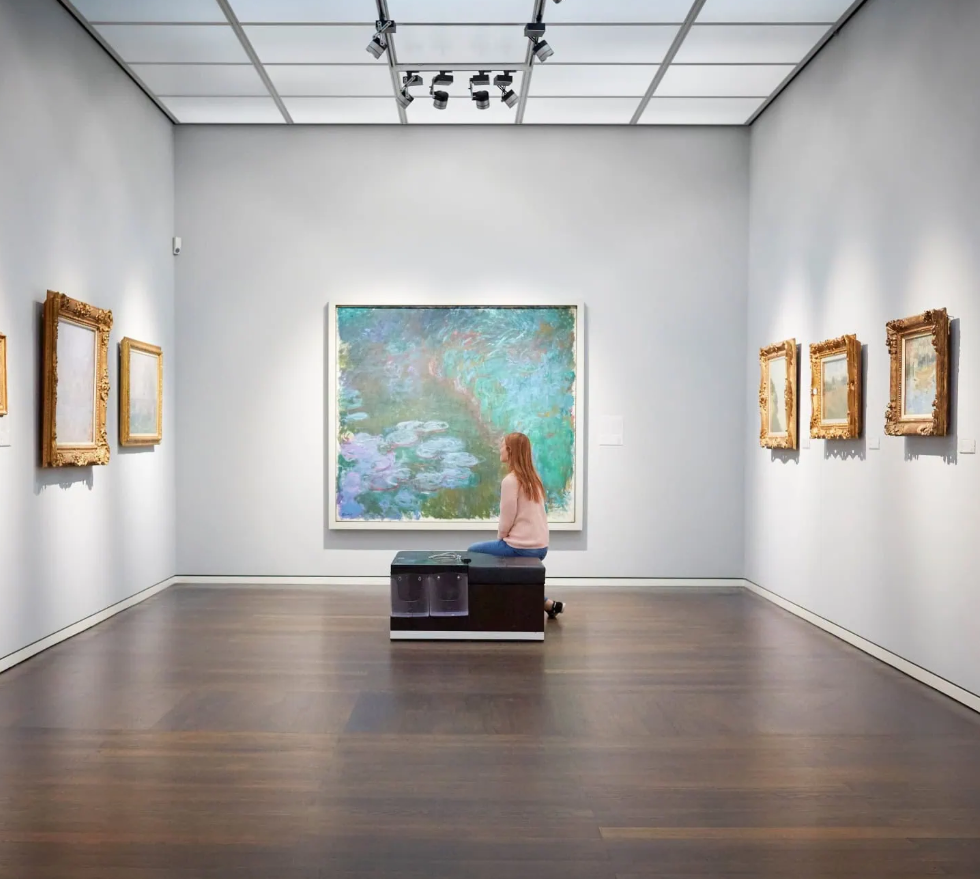



As extreme heatwaves intensify across Europe, climate-controlled museums are stepping up as essential public shelters. European cities are increasingly leveraging these cultural institutions to protect residents from rising temperatures while safeguarding heritage.
By Creatives Unite CommunityThe summer of 2026 is breaking temperature records across large parts of Europe and testing how cities adapt to extreme weather conditions that are becoming increasingly frequent and severe. According to the 2026 Eurocities Pulse Mayors Survey, climate action is the top combined priority for almost half of Europe’s municipalities.
Cities are responding in different ways, from investing in urban greening and cooling infrastructure to developing new services that help residents cope during heatwaves. Increasingly, cultural institutions are becoming part of this response: not only by reducing their own environmental footprint, but also by helping people adapt to a changing climate.
As heatwaves become more frequent and intense, museums, libraries and other cultural spaces that carefully control their indoor climates to protect collections are increasingly serving a dual purpose: preserving cultural heritage while offering cool, air-conditioned environments where residents and visitors can find relief from dangerous temperatures.
Culture to deal with the canicule in Lyon
In Lyon, cultural venues form part of the city’s wider Objectif fraîcheur (Stay cool), strategy, which combines green spaces, water infrastructure and public facilities into a network of accessible cooling spaces. During heat alerts, residents can access air-conditioned public buildings, libraries and cultural facilities across the city, while extended park opening hours help people enjoy cooler outdoor environments later in the day.
Museums play a particularly visible role in this response. During orange and red heat alerts, the city offers free access to several air-conditioned museums, including the Musée des Beaux-Arts and Musées Gadagne. These venues complement a broader network of hundreds of publicly accessible cool places identified by the municipality, helping residents find relief close to home while maintaining access to culture and heritage.
Cultural activities when the sun heats in Madrid
Now in its third year, Madrid’s Refúgiate en la Cultura (Take refuge in culture) initiative goes a step further by creating cultural programming specifically designed for the hottest hours of the day. Running between 15:00 and 18:30 throughout the summer, the programme transforms the city into a network of cultural refuges where people can enjoy art, theatre, flamenco and cinema while avoiding the most intense heat.
The 2026 edition includes more than sixty activities hosted across some of Madrid’s most iconic institutions. Visitors can attend flamenco performances in venues such as the Prado Museum, Reina Sofía Museum, Thyssen-Bornemisza Museum and the Royal Collections Gallery, while new theatre initiatives bring short performances inspired by Spain’s Golden Age to heritage sites across the city.
The initiative extends beyond major museums. Libraries, cultural centres, cinemas and venues such as Matadero Madrid and CentroCentro also participate, creating welcoming indoor spaces where people can read, learn, socialise and engage with culture during periods of extreme heat. By linking climate adaptation with cultural participation, Madrid demonstrates how cities can turn heat resilience measures into opportunities for public engagement and wellbeing.
Rome’s initiative to combat heat with culture
Rome has adopted a similarly innovative approach with Il Grande Freddo (The great cold), an initiative that transforms air-conditioned cultural venues into climate and cultural refuges for residents during heatwaves.
The programme brings together cinemas, libraries, theatres and exhibition spaces distributed across the city. Participating cinemas offer free screenings during the hottest hours of the day, while libraries provide cool indoor environments and free drinking water. Cultural institutions including Teatro Argentina and the Palazzo delle Esposizioni have also opened spaces where residents can take refuge while accessing exhibitions, reading areas and cultural activities.
The initiative quickly attracted significant public interest, with tens of thousands of people using the participating venues during its first weeks. In response, the city extended the programme, underlining the growing importance of cultural infrastructure as part of urban climate adaptation strategies. These spaces also offer opportunities for social connection, wellbeing and inclusion during periods of extreme weather.
Europe’s hot take for cultural spaces
Lyon, Madrid and Rome are part of a broader movement taking shape across Europe. Barcelona has developed one of the continent’s largest networks of climate shelters, including libraries, museums and civic centres. Paris has increased access to cooling spaces in public buildings during heatwaves, while Antwerp promotes ‘Cool Spots’ across the city to help residents identify places where they can escape extreme temperatures. In Lisbon, mapping initiatives are helping people locate nearby climate refuges, including libraries, gardens and other public facilities.
By opening their doors as cool, welcoming public spaces, cultural institutions are creating a tangible link between culture, climate resilience and public wellbeing. They demonstrate how existing public infrastructure can be mobilised to respond to one of the most immediate consequences of climate change, while continuing to fulfil their core mission of making culture accessible to all.
New situation, more resources and funding
However, the success of these initiatives should not overshadow the challenges facing the institutions behind them. Many museums and cultural venues are expected to provide refuge during heatwaves despite tight budgets and limited staff resources. Keeping these spaces open, accessible and well maintained is already a challenge for many organisations. As cities increasingly rely on them as part of their climate adaptation infrastructure, this added responsibility should be matched with dedicated investment and support.
Cities for Sustainable Culture
The need to better support cultural institutions is one of the reasons why cities are increasingly placing culture within broader sustainability and resilience strategies. That approach echoes the Eurocities Lille Call to Action on sustainable culture. By committing to its principles, 63 European mayors have pledged to place culture at the heart of local green and social transitions. The declaration recognises that cultural institutions, cultural heritage, artists and creative communities have a vital role to play in shaping more sustainable cities, helping residents understand climate challenges, fostering collective action and strengthening communities’ capacity to adapt to change.