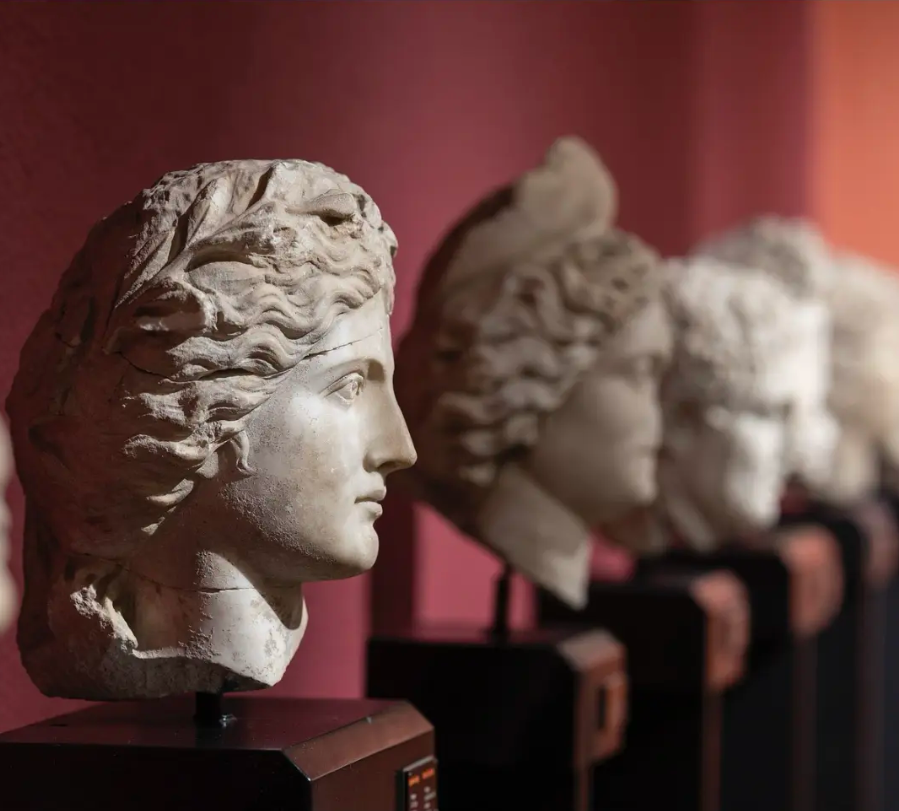

Every year on 18 May, the world's museums become something more than repositories of the past. They become an argument about the future. This year, that argument is made explicit. International Museum Day 2026 carries the theme "Museums Uniting a Divided World" – a declaration that, in the words of its organisers, positions cultural institutions not merely as custodians of artefacts but as active agents of reconciliation and peace.
The occasion is coordinated by the International Council of Museums (ICOM), the Paris-based global body that has convened the annual event since 1977. What began as a resolution passed at a general assembly in Moscow has grown, nearly five decades on, into one of the largest cultural observances on the global calendar, with more than 37,000 museums participating across approximately 158 countries and territories.
This year carries an additional significance. ICOM marks its 80th anniversary in 2026, having been founded in 1946, and the organisation has chosen to weave that milestone through the entire year's programming — with International Museum Day as its centrepiece.
In a message published on the ICOM website, Antonio Rodríguez, the ICOM President elected at the organisation's 40th General Assembly in Dubai in November 2025, described the conviction underpinning the theme in direct terms. Museums, he wrote, "are not simply custodians of the past; they are vital agents for connection, understanding, and peace in the present". At a time when social, cultural and geopolitical divisions are intensifying across the globe, he argued, museums "stand as spaces where differences are approached with respect rather than suspicion and where shared humanity finds expression through objects, stories, and meaningful dialogue."
The full theme announcement states that the day will encourage "inclusive programming" designed to foster dialogue and participation from diverse audiences, including marginalised communities, and that it explicitly aligns with three United Nations Sustainable Development Goals: SDG 10 (Reduced Inequalities), SDG 16 (Peace, Justice and Strong Institutions), and SDG 17 (Partnerships for the Goals).
Among the projects cited by Rodríguez as models of the theme in practice are the Ars Aevi Nucleus Kyiv, described as emerging from "a profound moment of solidarity" during wartime, and the Khanenko museum project, which continued its programming of artist–audience exchanges after the building was struck by a rocket attack during the invasion of Ukraine — sustaining dialogue, in Rodríguez's phrase, "even in the most difficult circumstances".