


Beneath the bustling streets of modern Rome, near the Colosseum, a remarkable discovery has been made.
Archaeologists have uncovered a well-preserved Roman home from the late 2nd century BC to the 1st century BC, situated near the iconic Colosseum. With each excavation, more secrets of this high-status dwelling are revealed, shedding light on the opulent lifestyles of ancient Romans.
Vibrant mosaics line the floors, depicting scenes of naval battles and coastal cities. Each tile was painstakingly placed to create intricate details, showcasing the skill and craftsmanship of its creators.
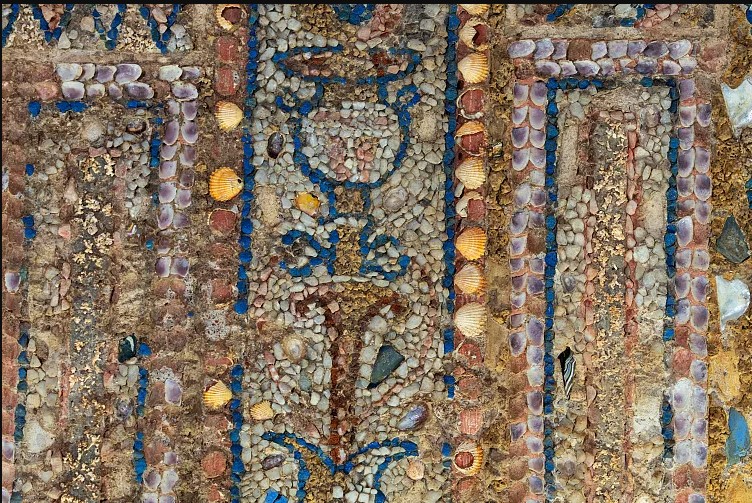
Rich marble, glass, and shells decorate the walls, evoking a sense of grandeur and luxury. One of the most fascinating aspects of the mosaic is the representation of a coastal town with small towers and porticoes, surrounded by vines and lotus leaves. This scene, made with great attention to detail using travertine stone, is set against a background of three large ships sailing across the sea with their sails raised.
But this was not just a showpiece for guests; it was also a functional home. Piping systems were discovered, indicating running water and possibly even water features within the dwelling. A main room designed in a 'grotto' style would have been used for lavish banquets, complete with ornate furnishings and decorations.
The mosaics found are unparalleled in their complexity and use of materials for the time. They provide a rare glimpse into the lives of wealthy Romans and their tastes in art and design. Plans are already underway to make the site accessible to the public by 2024.