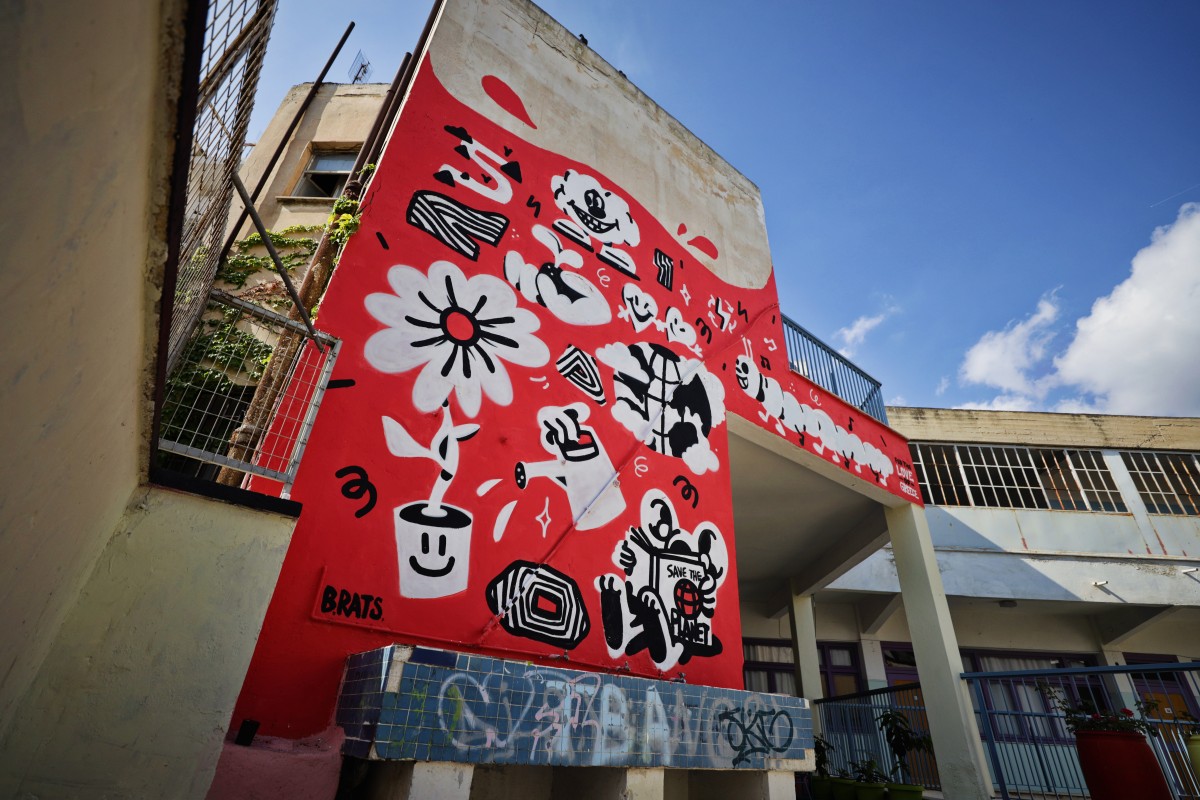


In Kypseli, Athens’ vibrant multicultural district, art became a tool for dialogue and change. Guided by renowned street artists and a filmmaker, students from the 41st Highschool of Kypseli explored burning issues shaping their lives and future. Through creativity and collaboration, they transformed ideas into a mural in the heart of their community.
A case study from the Creative FLIP Learning Labs 2020/21
Through two interactive workshops, students from Kypseli explored pressing social issues and learned the fundamentals of street art and filmmaking. They shared opinions, exchanged views, and created designs inspired by their experiences. Despite Covid-19 lockdown challenges, their ideas shaped a mural and a short film, amplifying calls for justice and inclusion. Feedback highlighted the program’s transformative impact and strong demand for future iterations.
Kypseli is one of Athens’ most diverse districts, where cultures intersect and coexist. For many teenagers, this diversity comes with challenges: social tensions, stereotypes, and uncertainty about the future. Impact Hub Athens launched a Learning Lab here with the clear mission to empower young voices to speak up through art and advocate for social justice.
Street Art as a Call for Action
Street art has long been a language of resistance and hope. For this Learning Lab, it became the medium for advocacy. Over four weeks, secondary school students (ages 15–17) from the 41st High School of Kypseli joined workshops led by street artists and a filmmaker to identify social issues that mattered most to them, craft a message, and translate it into a mural that would speak to the entire community.
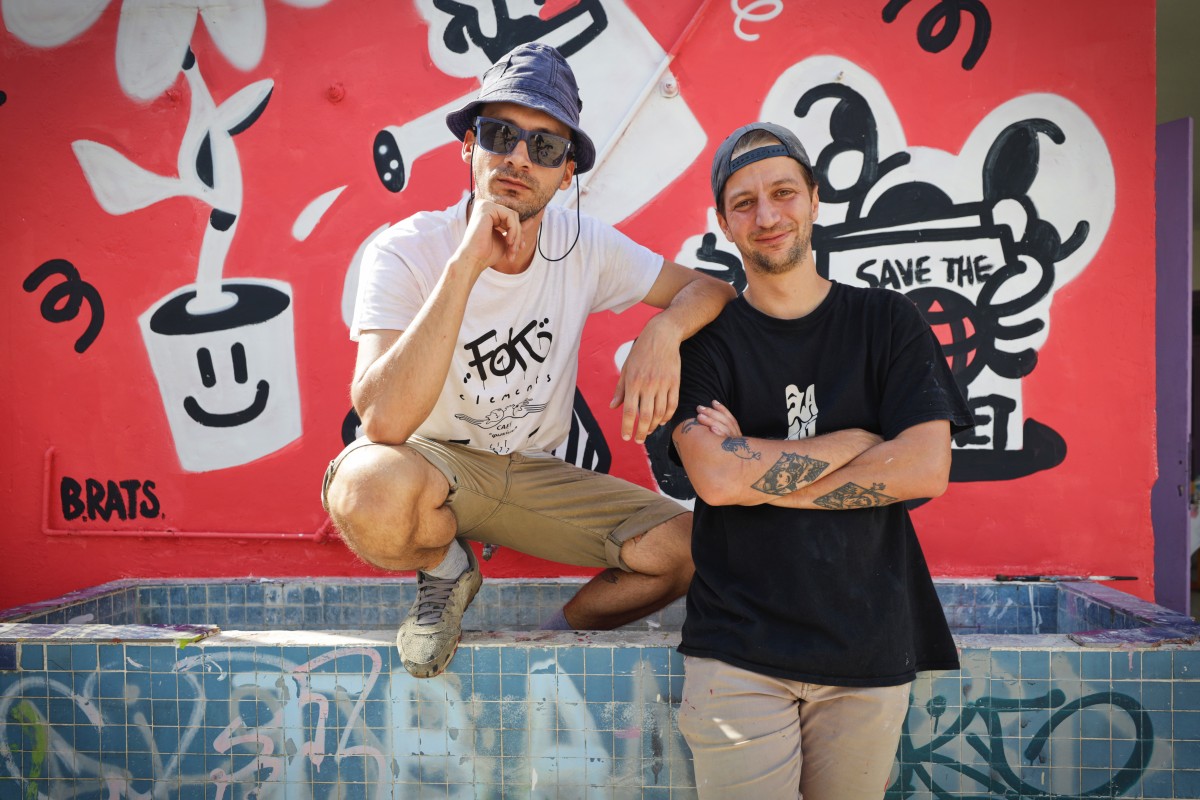
In the workshops, students learned the principles of street art and filmmaking, gaining insight into how artists create from scratch. They imitated the methodology, creating and presenting their own designs and short videos inspired by their experiences and the knowledge gained.
Discussions were at the heart of the process. Teenagers shared opinions, exchanged views, and triggered debates on issues that concerned them daily—racism, inequality, and inclusion—and those that could shape their future. They identified and shared relevant information with peers, building a collective understanding of the challenges they face.
Students loved interacting with esteemed professionals they admired. “Having in mind how an artist inspires and creates his work from scratch, participants tried to imitate their methodology,” noted one facilitator. This hands-on approach gave them confidence and a sense of ownership over the creative process.
Creativity in Lockdown
The original plan envisioned lively in-person workshops and a big unveiling event. But as lockdowns tightened in Greece, the team had to adapt. Workshops moved online, condensed into two longer sessions. Students sketched ideas from home, sharing drawings on screen instead of co-creating in a classroom.
Parental restrictions meant many cameras stayed off, limiting non-verbal interaction. Only a few students could attend the mural creation in person. The unveiling event was cancelled. Despite these hurdles, engagement remained high. “We had to compromise the delivery and the emotion,” the team reflected, “but everyone stayed positive and committed.”
A Mural, a Film, and a Movement
The tangible results included:
- A striking mural in Kypseli, reflecting the students’ vision of unity and justice
- A short film documenting the process and amplifying their voices
- Digital workshop materials for future replication
Students became ambassadors for social cohesion, equipped with tools for advocacy and creative expression. Teachers discovered new ways to approach sensitive topics through art. The mural sparked curiosity among peers who couldn’t attend, leading to discussions across the school about the themes and methodology.
Everyone underlined how powerful the experience was and expressed a desire to repeat the program with other classes. “It was interesting to approach a socially difficult issue through art,” said one teacher. “Even though online delivery was challenging, students were engaged and inspired.”
The street artist and filmmaker echoed this sentiment: “The kids were curious and eager to learn. If this had happened live, the impact would have been even greater—but even digitally, it was inspiring.” Today, the mural stands as a symbol of resilience and hope, and the students who helped shape it are ambassadors for social cohesion in their neighbourhood.
Image: ©Angel Ballesteros
Key Takeaways