

Carnival season in Slovenia usually means colourful masks and lively celebrations. This year, it also meant innovation. Through Center Rog’s Learning Lab, students from two Slovenian primary schools explored digital technologies while crafting glowing bracelets and 3D masks in virtual classrooms.
A case study from the Creative FLIP Learning Labs 2020/21
Center Rog’s Learning Lab delivered two online workshops for primary school students: creating e-textile bracelets and 3D carnival masks. Each child received a kit with all necessary materials, supported by tutorial videos and live guidance. Students learned electronic circuits, design principles, and fine motor skills while enjoying cultural themes like Mardi Gras. Feedback from teachers and parents praised the program’s organization, curriculum alignment, and ability to make online learning engaging and fun.
When schools in Slovenia shifted online in 2020, educators faced a pressing question: how to keep learning engaging and hands-on? Center Rog responded with a Learning Lab that blended digital technologies with creativity, offering students new skills aligned with their curriculum.
Two Workshops, Endless Creativity
The Lab was piloted with two primary schools through two themed workshops:
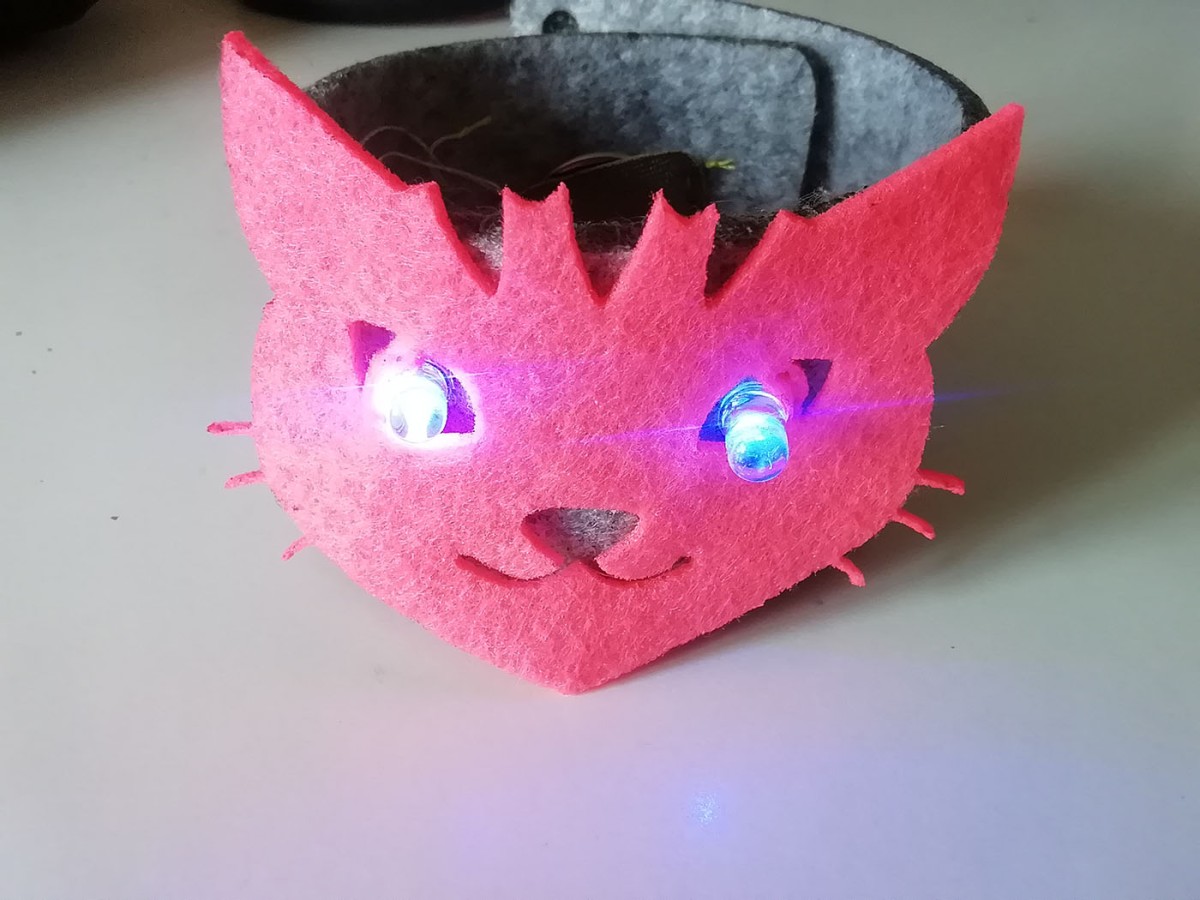
- Workshop 1: E-Kitty Bracelet – Students learned the basics of electronic circuits and e-textiles by creating a soft bracelet with glowing LED lights.
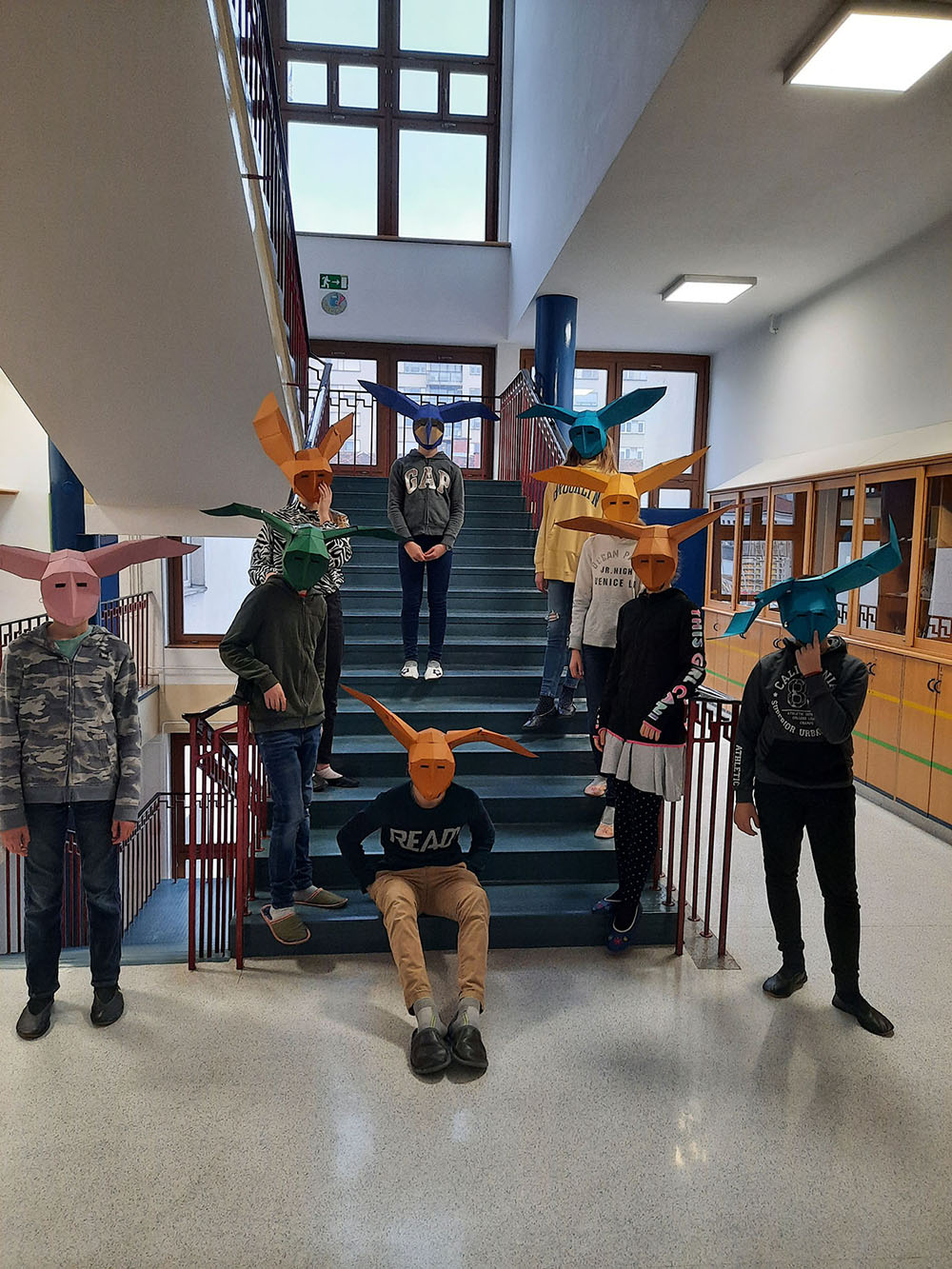
- Workshop 2: Carnival Masks – Inspired by Slovenia’s Mardi Gras tradition, students designed and assembled 3D paper masks, practicing fine motor skills and learning about 3D object construction.
Both workshops were delivered online, but the experience was far from passive. Before the first workshop, mentors prepared detailed resources: a stop-motion tutorial video and PDF instructions. Kits included felt straps, laser-cut animal heads, sewing thread, electroconductive thread, LEDs, needles, and snap buttons which each child received by mail.
During the first session, students were divided into smaller groups of 20 to ensure personalised guidance. RogLab mentors explained each component and guided pupils step by step. By the end, every child had a working e-textile bracelet, a wearable piece of technology they built themselves. “Seeing the LED lights glow was magical,” one teacher noted. “It made abstract concepts tangible.”
The second workshop focused on creativity and cultural tradition. Students received pre-cut paper pieces and adhesive tape to assemble their own carnival masks. Mentors demonstrated folding and assembly techniques, encouraging students to personalise their designs. By the end, colorful masks were ready for Mardi Gras celebrations.
Behind the Scenes
Executing these workshops required meticulous planning. From preparing kits to producing tutorial videos, every detail was considered. Teachers praised the clear instructions and professional communication. “The organisation was excellent,” one teacher shared. “The content fit perfectly into the school curriculum.”
Still, challenges emerged. Technical issues like poor internet connections and low-quality cameras occasionally slowed progress. Explaining steps online proved harder than in person, where mentors could easily assist individually. Reflection sessions and surveys helped identify improvements for future workshops.
Joy and Learning Combined
Despite the hurdles, the results exceeded expectations. Students were thrilled to receive kits at home and proud of their creations. Some even organised spontaneous exhibitions to showcase their bracelets and masks. Teachers reported positive feedback from parents and highlighted how easily the workshops integrated into lessons.
The LLab achieved its primary goal: offering creative, fun educational experiences that expand knowledge through practical activities. It also strengthened relationships between Center Rog and partner schools, paving the way for future collaborations.
Image: RogLab
Key Takeaways