

Bohemian glass, Limoges porcelain and other origin-linked crafts or industrial goods will be covered from now on under Geographical Indication protection. European Crafts Alliance applauds the new system that safeguards craftsmanship, authenticity and territorial identity in a global market crowded with imitations both online and offline.
By Creatives Unite NewsroomFrom 1 December 2025, Europe's glassblowers, potters, cutlers, jewellers and other makers may register their product names under the EU's new geographical indication (GI) scheme for craft and industrial goods.
The new system will protect iconic goods such as Bohemian glass, Limoges porcelain, Solingen knives and Donegal tweed, whose reputation and quality stem from their place of origin.
“This protection ensures that authentic European products can thrive in global markets, strengthening local economies, supporting EU’s competitiveness and preserving our cultural identity for generations to come.” said Stéphane Séjourné, Executive Vice-President for Prosperity and Industrial Strategy.
By turning heritage into opportunity, the new GI scheme will safeguard traditional skills and support local jobs. By helping consumers recognise genuine, high-quality European products, it will curb counterfeits both online and offline.
A New Era for European Crafts
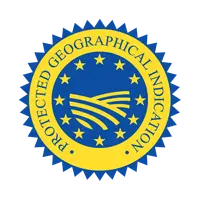
Craft products can now carry the official EU Protected Geographical Indication (PGI) symbol, the same blue and gold seal already carried by high-quality food and wine. Some artisans may choose not to display it on the product itself for aesthetic reasons.
However, the registered name is legally protected whether the logo is present or not.
The European Crafts Alliance welcomed the new system as a massive shift in European policy. "Now, ceramics, textiles, cutlery, and musical instruments join the same legal ‘family’ of origin-linked products." reads their announcement.
"Previously, the craft sector relied on a fragmented mix of national systems, or no protection at all. This made it nearly impossible for producers, often small, family-run workshops, to defend their livelihood against foreign copycats." it continues.
“The long-awaited GI Regulation (EU) 2023/2411 creates a single EU framework that finally gives real legal weight to the authenticity and territorial identity of craft products — a shared tool to protect Europe’s cultural diversity.” said Cristina Mendes, President of the Board of Directors, European Crafts Alliance.
How to Apply
Producers may apply through a recognised association or individually. Each application must include a ‘product specification' outlining the name, production process and geographical area, and should be submitted to the relevant national authority in the EU Member States.
Guidance, templates and contacts are available on the EUIPO's CIGI Hub, including information on financial and technical support, such as the video below on how to register your name as a geographical indication for craft and industrial products.
The GI registration procedure has two steps:
- National level – the authority reviews the application and runs a national opposition procedure.
- EU level – the application is then assessed by the EUIPO, which handles the EU-wide opposition procedure and decides on protection and registration.
Denmark, Finland, Lithuania, Luxembourg, Malta, the Netherlands and Sweden have obtained a derogation for the national phase and producers will exceptionally be able to apply directly to the EU Intellectual Property Office (EUIPO), which manages the whole procedure.
Background
Regulation (EU) 2023/2411 creates EU-wide protection for craft and industrial geographical indications (CIGIs). It builds on over 30 years of the agricultural GI system, which protects more than 3,600 names and generates about €75 billion a year – roughly 15% of EU food and drink exports.
The Regulation, sets up a single EU title for CIGIs and allows producers to stop misuse of their names and secure international protection. Existing national craft and industrial GIs will end one year after the Regulation takes effect, in December 2026.
The CIGI scheme is run by the EUIPO, supervised by the Commission. The Commission may intervene where a registration could affect public policy or the EU's trade and external relations.
Find more here
Image © Copyright European Union - 2025 - Courtesy of the European Commission