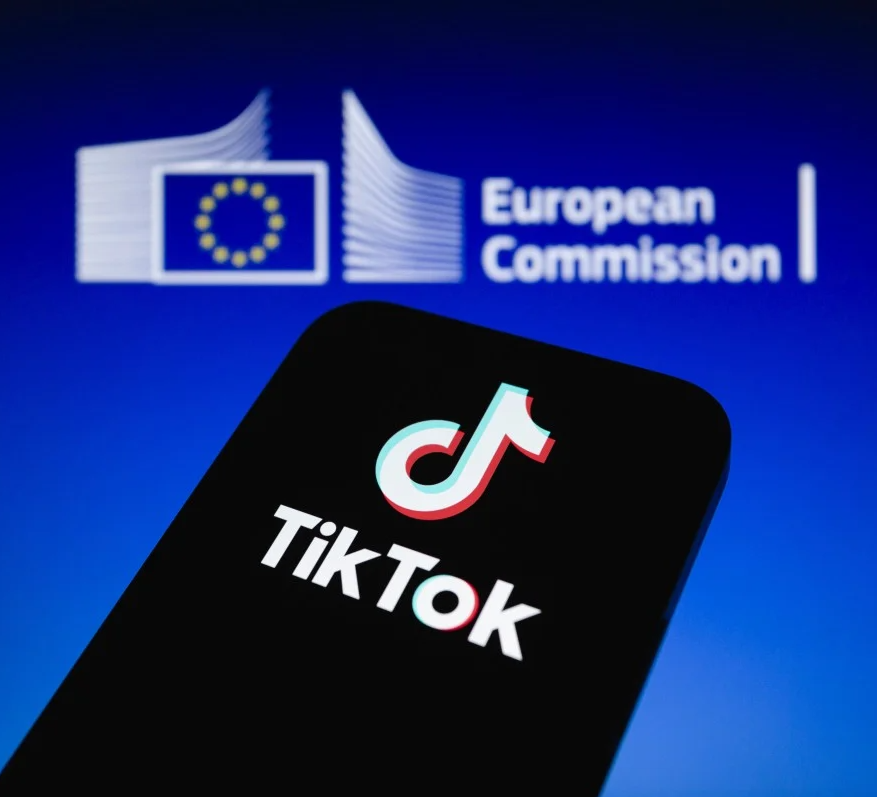



The European Commission delivered a stinging rebuke to TikTok on Thursday, issuing preliminary findings that the Chinese-owned video platform systematically violates European digital safety regulations through features deliberately engineered to hook users into endless scrolling.
In a decision that could force fundamental changes to how TikTok operates across the continent, Brussels determined the social media giant breached the Digital Services Act (DSA) by inadequately protecting users' physical and mental wellbeing—particularly minors and vulnerable adults—through what regulators describe as "addictive design."
The findings, announced on February 6, 2026, stem from an investigation launched in 2024 examining whether TikTok properly assessed and mitigated risks under the sweeping internet regulation that took effect across the European Union's 27 member states.
European regulators focused their scrutiny on TikTok's core features: infinite scroll, autoplay, push notifications, and AI-powered content recommendation systems that continuously deliver personalized videos. The Commission concluded these elements work in concert to shift users' brains into "autopilot mode," fostering compulsive behavior that users struggle to control.
"Social media addiction can have detrimental effects on the developing minds of children and teens" said Henna Virkkunen, Executive Vice-President for Tech Sovereignty, Security and Democracy, in a written statement. "The Digital Services Act makes platforms responsible for the effects they can have on their users. In Europe, we enforce our legislation to protect our children and our citizens online" she added.
Critically, Brussels found TikTok failed to conduct adequate risk assessments despite mounting evidence of addiction-related harms. The company ignored key warning signs including nighttime usage patterns among minors, frequent app reopening, and other compulsive indicators—all behaviors that scientific research has linked to diminished self-control, according to the Commission's investigation.
According to the Commission, TikTok reaches 170 million users in the European Union. TikTok is by far the most used platform after midnight by children between 13 and 18. Additionaly, 7% of children between 12 and 15 spend between 4 and 5 hours daily on TikTok.
"These statistics are extremely alarming. Why is all of this happening? Because TikTok offers infinite scrolling, autoplay, push notifications and highly personalized recommender systems" said Thomas Regnier, spokesperson of the EU Commission.
"These features lead to the compulsive use of the app, especially for our kids, and this poses major risks to their mental health and well-being. The measures that TikTok has in place are simply not enough. Screen time management and parental controls are not properly working on TikTok" he added.
Under Articles 34 and 35 of the Digital Services Act, very large online platforms like TikTok must conduct comprehensive systemic risk assessments and implement appropriate mitigations, incorporating the best available scientific evidence. The Commission's preliminary assessment found TikTok disregarded crucial data on excessive use and failed to integrate expert knowledge—shortcomings the regulators characterized as "serious."
This marks a distinct enforcement action from previous DSA proceedings against TikTok, including 2025 findings related to advertising transparency.
Brussels is demanding TikTok "fundamentally change the basic design of its service." Required modifications include disabling infinite scroll, enforcing effective mandatory screen time breaks that cannot be easily bypassed, and overhauling video recommendation algorithms to reduce compulsive engagement.
TikTok retains the right to respond in writing and propose alternative remedies. The Commission will then consult with the European Board for Digital Services before issuing a final decision, a process that could take several months.
The company vigorously contested the preliminary findings, dismissing them as a "categorically false and entirely meritless depiction" of its platform and policies.
In a statement, TikTok emphasized its existing safety tools, including customizable screen time limits, sleep mode reminders, wellbeing missions, and Family Pairing features that enable parental oversight. The company maintains these measures actively promote healthy usage habits among its user base.
European regulators, however, deemed these protections fundamentally inadequate given the platform's design architecture. Existing safeguards proved woefully insufficient, regulators determined. TikTok's screen time alerts—defaulting to a one-hour daily limit for users aged 13 to 17—are easily dismissed or snoozed with a simple tap. Parental controls, meanwhile, require such extensive oversight that they place unrealistic burdens on families.
No financial penalties have been imposed at this preliminary stage. The enforcement process remains ongoing, with TikTok expected to submit detailed responses and potentially negotiate compliance measures with Brussels.
Should the Commission confirm its findings in a final decision, TikTok could face fines reaching up to 6% of its global annual turnover—a figure that could amount to billions of euros. Regulators could also impose mandatory compliance orders or interim measures requiring immediate changes to the platform's operation in Europe.
The Digital Services Act, which came into full force in 2024, imposes strict obligations on very large online platforms to identify and mitigate systemic risks ranging from illegal content to threats to public health and minors' wellbeing.
The action represents the latest salvo in European regulators' aggressive enforcement of the Digital Services Act against major technology companies. Unlike previous cases, TikTok has cooperated with investigators throughout the process, according to Commission officials.