

Europe's heritage doors open this September as European Heritage Days invite the public into thousands of normally closed buildings across 50 countries, framed this year around "Heritage at Risk: Revive, Resist, Reimagine" amid climate, conflict and neglect concerns.
By Matthaios TsimitakisEuropeans are being invited to step inside buildings normally shut to the public this month, as countries across the continent stage their annual European Heritage Days — a decades-old tradition now reframed around a distinctly anxious theme: what happens to the past when it is under threat from climate change, conflict and neglect.
The 2026 theme, set jointly by the Council of Europe and the European Commission, is "Heritage at Risk: Revive, Resist, Reimagine". Organisers say the continent's cultural and natural heritage faces "unprecedented challenges from climate change, urbanisation, migration, conflict and digitisation", and that the aim is to ensure traditions, languages and historic sites "continue to inspire future generations".
European Heritage Days began in France in 1984 and went pan-European under the Council of Europe the following year; the European Commission joined as co-organiser in 1999. It now runs across all 50 signatories to the European Cultural Convention, and — although increasingly marketed under one theme — each country still sets its own dates and adds its own local flourishes.
France's Journées européennes du patrimoine—the original, and still the largest single-country edition—run on 19 and 20 September, the 43rd edition, according to France's Ministry of Culture. Schools get an early look on the Friday, under an operation called "Levez les yeux!" ("Look up!"). The ministry has paired the European "heritage at risk" theme with a home-grown one: the bicentenary of photography, marked by exhibitions and behind-the-scenes access to photographic collections. Sites due to open include the Élysée Palace, alongside thousands of monuments, ministries and buildings normally closed to visitors.
England's Heritage Open Days, coordinated by the National Trust, run for ten days from 11 to 20 September, according to English Heritage and the National Trust. More than 2,500 local organisations and, by some accounts, over 40,000 volunteers take part, opening everything from stately homes to Victorian classrooms and private gardens for free. This year's English theme, "Everyday Histories", focuses on the working lives of ordinary people rather than grand architecture alone.
Germany's Tag des offenen Denkmals falls, as it traditionally does, on the second Sunday of September — 13 September this year — under the motto "NetzWERKE: Denkmale & Infrastruktur" ("Networks: Monuments & Infrastructure"), set by the Deutsche Stiftung Denkmalschutz. This charity has coordinated the German day since 1993. More than 6,500 monuments nationwide are expected to take part; the national opening ceremony is being held in Bamberg, the Bavarian UNESCO World Heritage city. Some cities, including Berlin, extend the celebration to Saturday as well.
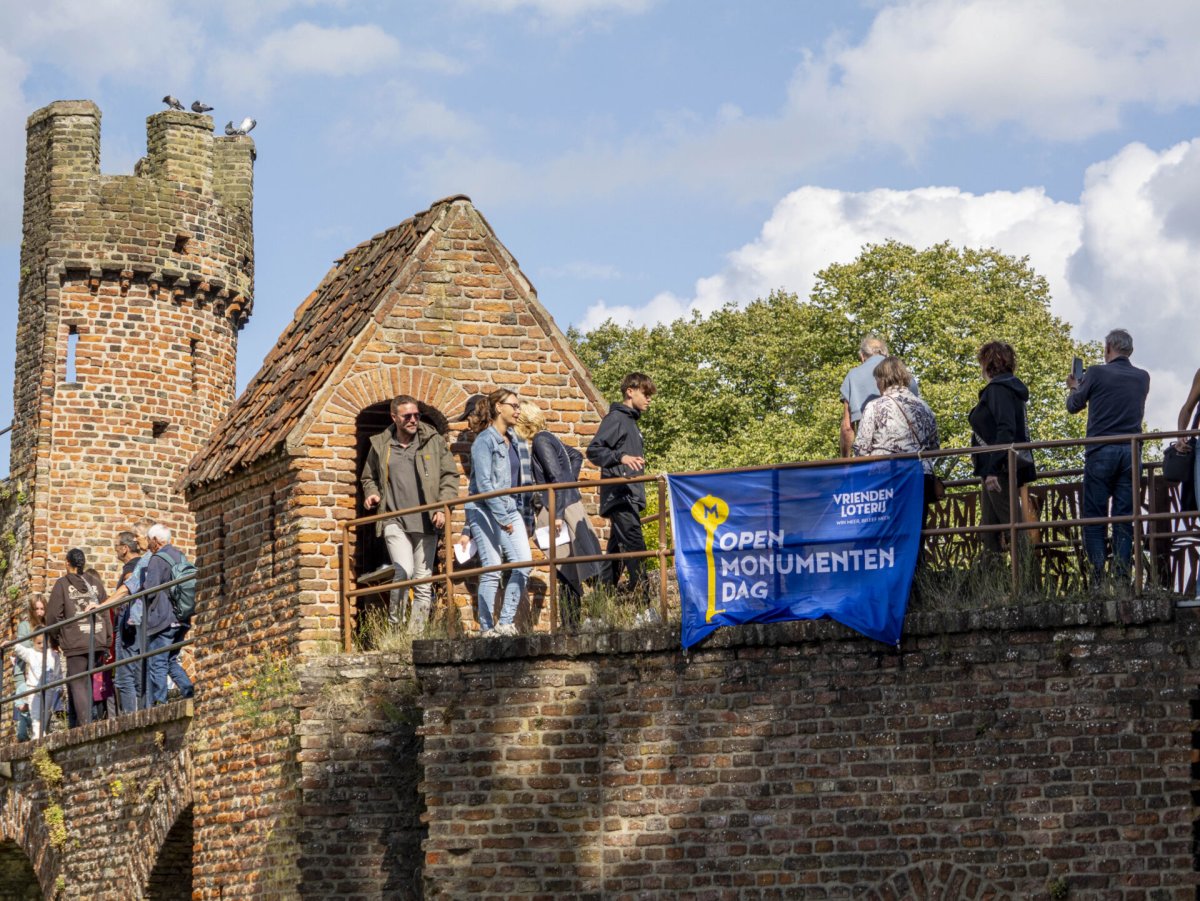
The Dutch Open Monumentendag celebrates its 40th edition on 12 and 13 September, with the theme "Veerkrachtig erfgoed, in tijden van onzekerheid" — "Resilient heritage, in times of uncertainty". Around 6,000 monuments are expected to open free of charge; this year's national opening event is in Flevoland, the country's youngest province, on Friday evening.
European Heritage Open Days in Northern Ireland, run by the Department for Communities, take place on 12 and 13 September, with more than 250 events expected. Communities minister Gordon Lyons launched this year's programme at Coleraine Town Hall.
Belgium's regions go their own way. Wallonia's Journées du Patrimoine run on 12 and 13 September — the 38th edition, with no single theme this year, as it forms the finale of a summer-long programme called "Le Patrimoine se met en spectacle. " The Brussels-Capital Region's Heritage Days follow a week later, on 19 and 20 September, also their 38th edition, under the theme "Our Landscape, Our Legacy", focused on the city's urban landscapes.

Switzerland's heritage weekend, including Ticino, runs on 12 and 13 September, with more than 450 activities staged nationwide. In Ticino specifically, the regional Ufficio dei beni culturali has organised 25 free events under the question-mark theme "In pericolo?" ("In danger?").
Also spanning the same weekend is a cross-border programme at Le Corbusier's UNESCO-listed sites: more than 30 events across 15 cities in Germany and Switzerland on 12–13 September and in France on 19–20 September, coordinated by the Council of Europe's cultural route Destinations Le Corbusier. Several sites are marking the tenth anniversary of the architect's work being added to the UNESCO World Heritage List in July 2016 — a 17-site listing spanning seven countries.
In Italy's Aosta Valley, the regional variant—"Plaisirs de Culture en Vallée d'Aoste", now in its 14th edition—runs longer than most, from 19 to 27 September, under the Italian-language version of the European theme, "Patrimonio a rischio: rinnovare, resistere, reinventare". Around 70 events are planned across nine municipalities, with 38 partner organisations involved; castles at Fénis, Issogne, Verrès and Sarre are among the sites opening to the public, alongside museums and archaeological sites.
Access is overwhelmingly free, and the appeal is straightforward: buildings that are shut for 51 weeks of the year — ministries, private palaces, courtrooms, working infrastructure — throw open their doors for one weekend, sometimes two. National coordinators publish detailed local programmes closer to the date; in France, popular sites such as the Élysée Palace tend to be booked up quickly once reservations open.