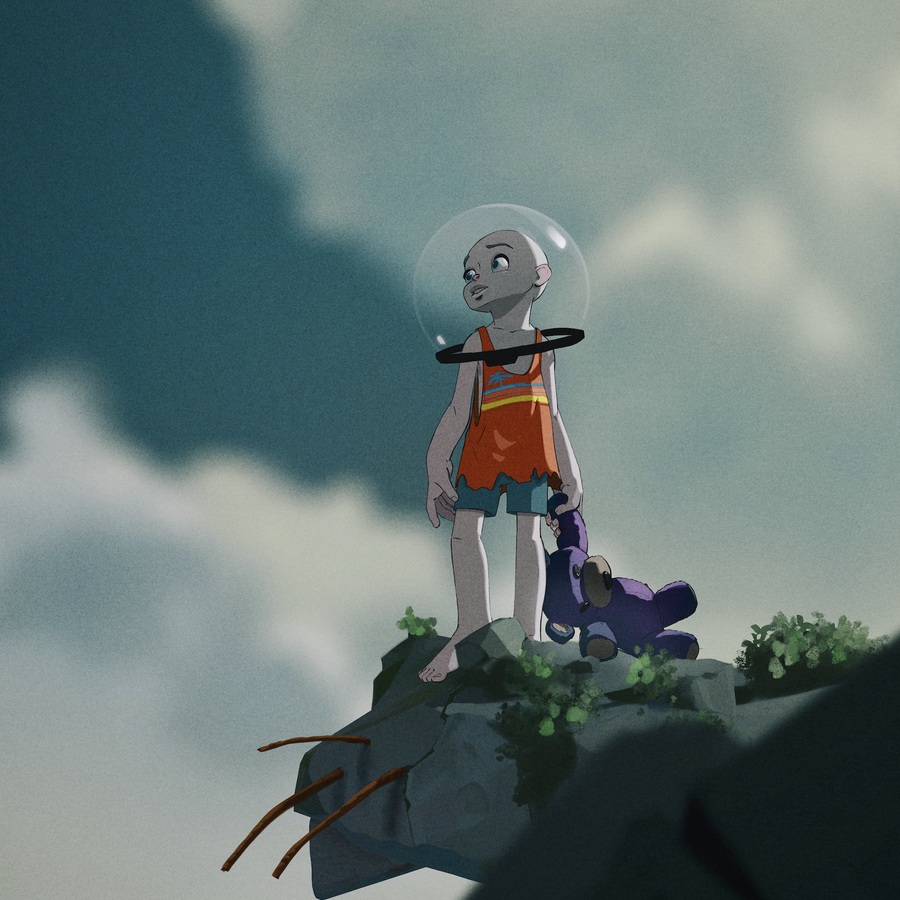



Demagog Studio has transformed a single game concept into a transmedia universe spanning games, music, and beyond. By retaining ownership of its intellectual property (IP) and structuring IP exploitation in their collaborations strategically, the studio can connect creative outputs, build communities, and drive long-term growth.
By Intellectual Property Institute Luxembourg (IPIL)The story begins in 2017, not with a business plan, but with a creative experiment among friends. After college, Igor Simic and his friends were making small games for contemporary art exhibitions. It was exploratory and artistic but not yet commercial. Then came a turning point. They were challenged to create something that could exist outside the art world, something “non-artsy” with commercial potential, and something that could be built in the evenings after work, as they all had day jobs as developers.
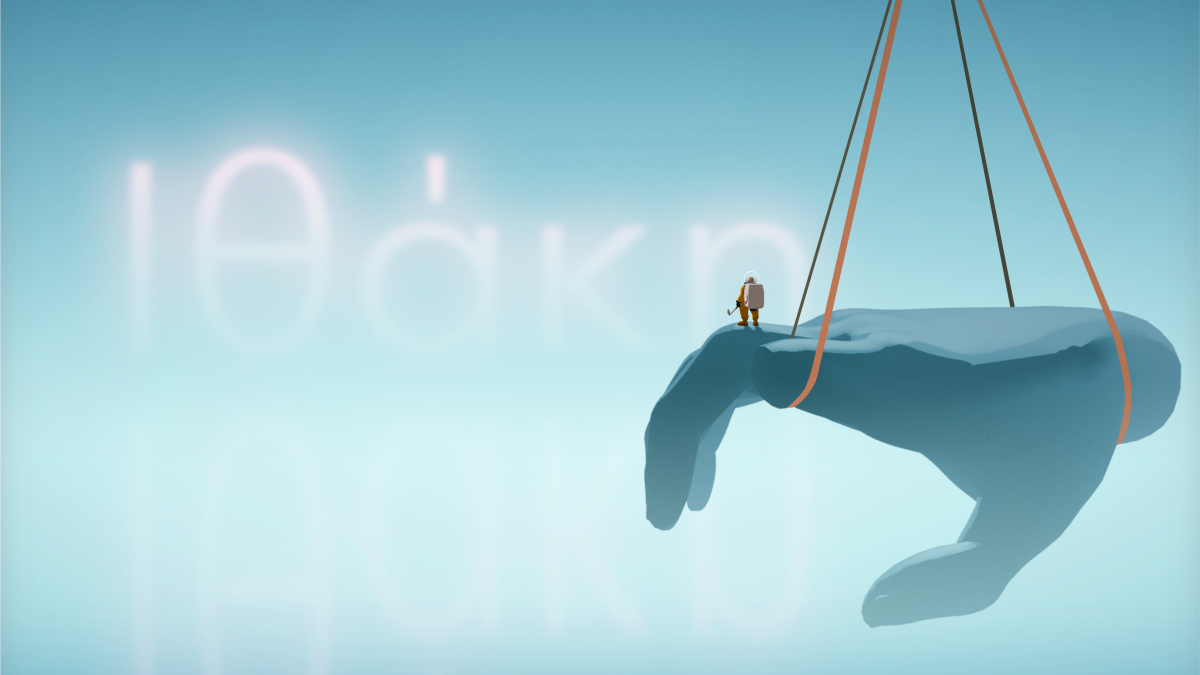
The result was an unusual idea: a satirical, post-apocalyptic golf game set in a world where the ultra-rich evacuated to Mars because of an ecological catastrophe, leaving the world behind. Years later, these inhabitants of Mars return to the ruined planet of Earth to play golf in the post-apocalyptic ruins. The story was absurd, dark, and strangely compelling. When they presented the concept to the community, the reaction was immediate. They realised they were not just building a game, but something bigger: a narrative world with the potential to expand. That was the moment Demagog was formally established.
As Demagog’s projects evolved, so did its creative model. What started as a single game gradually expanded into what Igor describes as a “constellation”: a network of interconnected works spanning games, music, graphic novels, and physical objects, all of which could potentially benefit from protection by intellectual property (IP) rights.
This expansion was not imposed from the outside. It grew naturally from the strength of the underlying idea. “The expansion of the IP happens organically because our climate change premise is very clear, yet broad with possibility”, Igor underlines. That clarity allowed the studio to explore different media formats without losing coherence. Each medium became a new entry point into the same world: games experimented with different game mechanics and storytelling styles, music added emotional depth and narrative layers, graphic novels and physical objects extended the universe beyond the screen, etc. Each has its own IP value.
"IP is not just protection; it is momentum. It connects past work to future opportunities, transforming creative consistency into commercial credibility."
From the IP ownership perspective, not everything was produced in the same way. Some elements, such as games, music, and certain physical outputs, were developed in-house. Others, like graphic novels, were handled through licensing. This balance allowed the studio to expand its IP while remaining flexible in how it collaborated with external partners. The result is not a collection of products but a connected creative ecosystem, where each piece reinforces the others. “If we own the IP, then we receive income from its exploitation."
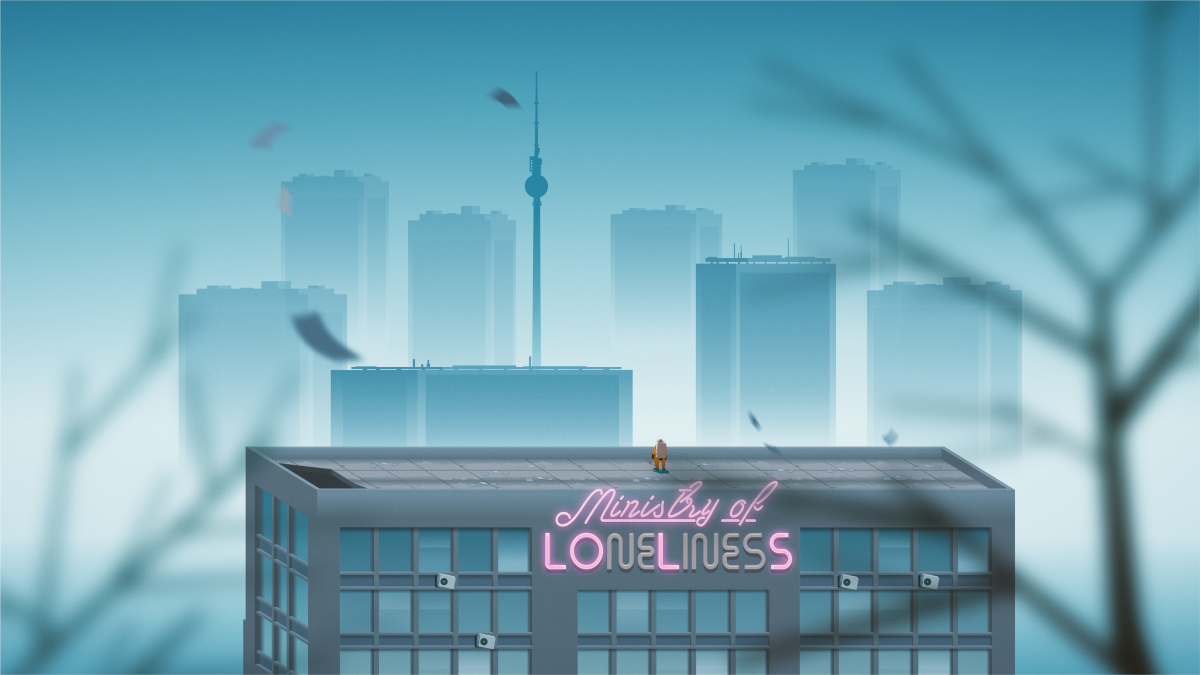
At the centre of this ecosystem lies a clear principle: Demagog generally opts for retaining ownership of its IP rights (here, mainly copyrights with neighbouring rights, and in some cases design and trademark rights). This is not a philosophical choice. It is a strategic one. Igor summarises the reasoning of this principle in a single statement: “If we own the IP, then we receive income from its exploitation." Nevertheless, beyond direct revenue, retaining ownership has another benefit: simplification. Negotiations become faster, partnerships clearer, and long-term planning more stable. For a small company like this Serbian studio, overly fragmented ownership structures might complicate the process by introducing multiple rights holders or complex approval mechanisms.
This clarity becomes particularly valuable in a transmedia environment, where the IP flows across different formats and markets. When a publisher or partner approaches Demagog, they deal with a single entity that generally controls the entire universe. Ownership also strengthens the studio’s position in a changing market. As the animation and gaming industry becomes more saturated, developers are increasingly required to finance early stages of production themselves. In this context, owning IP becomes critical. It is both a financial asset and a strategic lever. In the end, the value of the company largely depends on the value of its IP assets, and the studio’s creative output becomes its capital, not just content.
Despite this strong ownership model, Demagog does not operate in isolation. Collaboration is a core and natural part of its creative process, particularly in areas such as music. Here, the studio has developed a nuanced approach to IP. While Demagog retains ownership of the master recordings used in its games, collaborators are not excluded from the value chain. In Igor’s own words: “Musicians we collaborate with have the right to use the same song; adapt it to their own projects, even for their albums; and receive income from streaming and any potential licensing of the game version of the song as defined in their contracts."
So, for him, the goal is not to centralise all value, but to distribute it wisely. “Our aim is for everyone to have skin in the game," he adds. This approach aligns incentives across collaborators, encouraging creative contribution while preserving the integrity of the overall IP. This model mirrors the structure of the transmedia universe itself. Just as the IP expands across formats, the network of collaborators expands alongside it. Each contributor strengthens the ecosystem, both artistically and commercially, which increases the system's sustainability.
Learning from IP
Like many independent studios, Demagog’s journey has not been without challenges. One of the most concrete lessons came from an unexpected place: one of their titles, which was protected as a trademark. An early version of their game was called “Golf Club: Wasteland”. Only later did they discover that a similarly named game already existed. “I wasn’t a gamer initially, so I wasn’t aware of that game," Igor frankly admits. The result was a necessary rebranding to “Golf Club: Nostalgia”. Yet, thanks to acting early and taking the steps quickly, the impact on the business wasn’t disruptive, but the lesson was lasting: Early search for existing trademarks and consulting with IP professionals became a standard part of their process. A pragmatic IP approach is now being followed: be aware of risks but not paralysed by them; take wise actions and protect your business.
For Demagog, the most powerful proof of its strategy lies in its growth, a growth framed by the strength of the IP. In this sense, IP is not just protection. It is momentum. It connects past work to future opportunities. It transforms creative consistency into commercial credibility. And it allows a small studio to operate with a level of strategic clarity that would otherwise be out of reach.
Image credits: Courtesy of Demagog Studio
This case study was created under Creative FLIP, an EU co-funded project aimed at further increasing the long-term resilience of the cultural and creative sectors in key areas such as Finance, Learning, Working Conditions, Innovation and Intellectual Property Rights.
Key Takeaways

Igor Simic, Co-founder, Demagog Studio
Igor Simic graduated from Columbia University in New York with a BA in Film Studies and a BA in Philosophy. He is best known for his short films and video works, such as Melancholic Drone, which received first prize at LOOP Barcelona. Igor is the co-founder of Demagog Studio, a video game company. Following the success of its games, Golf Club: Nostalgia (featured by Apple), Highwater (released by Netflix), and The Cub (premiered at Tribeca), Demagog Studio’s fourth game, Gaia Sunrise, is now in production.