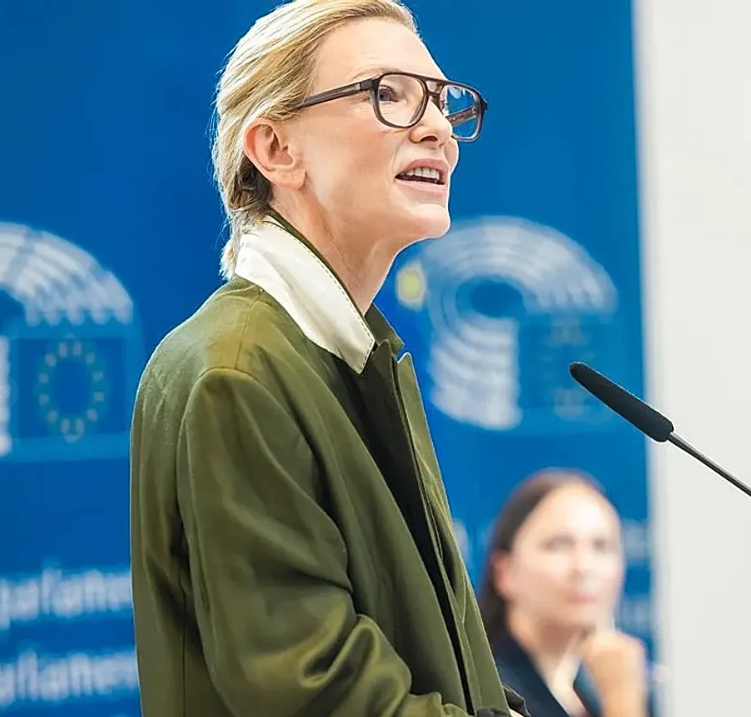



The Oscar-winning actress presented the Human Consent Registry at the European Parliament on Tuesday. The free digital platform, created by the non-profit organisation RSL Media, which Blanchett co-founded, allows users to explicitly dictate how AI developers may utilise their personal data and characteristics.
Operating on a simple "traffic light" system, the registry enables individuals to log whether the use of their name, image, voice, or movements is permitted (green), restricted under specific conditions (yellow), or entirely prohibited (red). The objective is to create a standardised, recognisable signal that AI platforms can interpret directly.
A stellar cohort of Hollywood and international film industry figures has backed the initiative, including Javier Bardem, Meryl Streep, George Clooney, Tom Hanks, Emma Thompson, Helen Mirren, Viola Davis, and Kristen Stewart. The director Steven Soderbergh, who attended the launch alongside the Bulgarian MEP Eva Maydell, described the platform as a "persuasive mechanism" designed to help tech companies operate under clearer ethical guidelines.
"Your identity is your intellectual property in the age of artificial intelligence," Blanchett told the Parliament. She stressed that the tool is vital not just for high-profile celebrities but for "anyone who has been photographed or has lived even a small part of their life online".
The registry currently carries no legal weight and relies entirely on AI companies voluntarily consulting the database before scraping data. In its next phase, RSL Media plans to expand the registry's scope to safeguard copyright-protected artworks, fictional characters, and corporate trademarks.
The initiative arrives amid escalating tension between the creative community and Silicon Valley. Blanchett was among hundreds of artists who recently signed an open letter accusing major technology firms of engineering widespread copyright infringement by training AI models on their work without permission or compensation.