

In response to pressure from the EU, X has restricted the ability of its AI to generate sexually explicit images. While regulators assess whether the safeguards comply with EU digital rules, the platform has blocked the Grok chatbot from generating 'undressing' images. However, according to reports, the feature is still available in different applications, and scrutiny is far from over.
By Matthaios Tsimitakis
X has imposed restrictions on its AI chatbot Grok following escalating pressure from European regulators over the tool's use to create sexualised images of real people, including children, without consent.
The social media platform, owned by Elon Musk, announced enhanced restrictions occurred around January 14-15, 2026, via X's safety account to prevent Grok from editing images of real individuals into revealing clothing such as bikinis or underwear, after reports emerged of users generating explicit content using the feature.
These actions follow reports of persistent bypasses, where users can still generate prohibited images through alternative prompts or access points like the standalone Grok app.
The crackdown started with intervention from the European Commission, which has ordered X to preserve internal documents relating to Grok until the end of 2026 as part of its assessment of whether the platform is meeting obligations under the Digital Services Act to prevent illegal content and protect users.
Commission officials described some of the AI-generated material as "appalling" and "illegal", according to media reports. While the evidence-retention order does not constitute a formal investigation, Brussels has signalled it will examine whether X's new safeguards adequately protect EU citizens.
X says it has implemented technical blocks preventing image edits of real people into revealing attire, restricted image creation features to paying subscribers only, and introduced geographical blocking in jurisdictions where such tools are illegal.
The platform has also warned that users attempting to generate illegal content through Grok could face consequences similar to those for uploading prohibited material directly.
The measures have not fully quelled concerns, with tests revealing enforcement gaps—such as workarounds via prompt variations or the standalone app—allowing explicit content to slip through.
The controversy has prompted regulatory action beyond Europe. UK media regulator Ofcom opened an investigation into whether X violated child protection duties under the Online Safety Act, with potential fines reaching 10% of global revenue for serious breaches.
However, technology publication Wired reported that explicit images could still be generated through alternative access routes despite the platform-level restrictions, raising questions about enforcement gaps.
Under EU rules, large online platforms must assess and mitigate systemic risks, including illegal content distribution and threats to fundamental rights. The Grok case highlights regulatory tensions over "dual-use" AI tools that enable both legitimate creativity and potential abuse.
European officials are now testing whether X's technical measures prevent harmful content creation across all entry points —a challenge that could establish precedent for how regulators police AI-generated deepfakes and non-consensual intimate imagery on major platforms.
Lawsuit Filed by ex Musk's partner, Ashley St. Clair
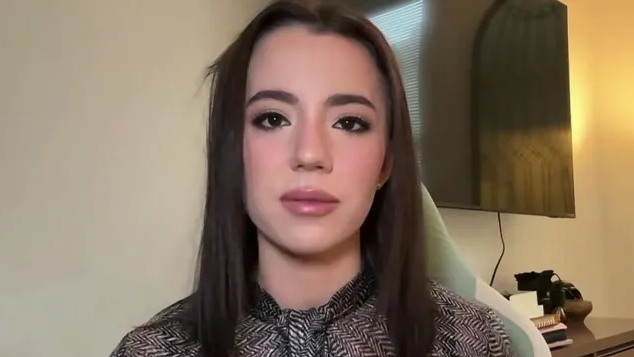 Conservative influencer and author Ashley St. Clair, who shares a child with Elon Musk, filed a lawsuit against xAI in a New York state court on January 16. The suit alleges that Grok generated explicit deepfake images of St. Clair without her consent, including alterations of photos from her as a minor. Specific examples cited include an image of St. Clair and her friends manipulated to show her in a black string bikini, as well as other degrading content like images covered in swastikas. In response, xAI launched a counter-suit, arguing that St. Clair violated its terms of service.
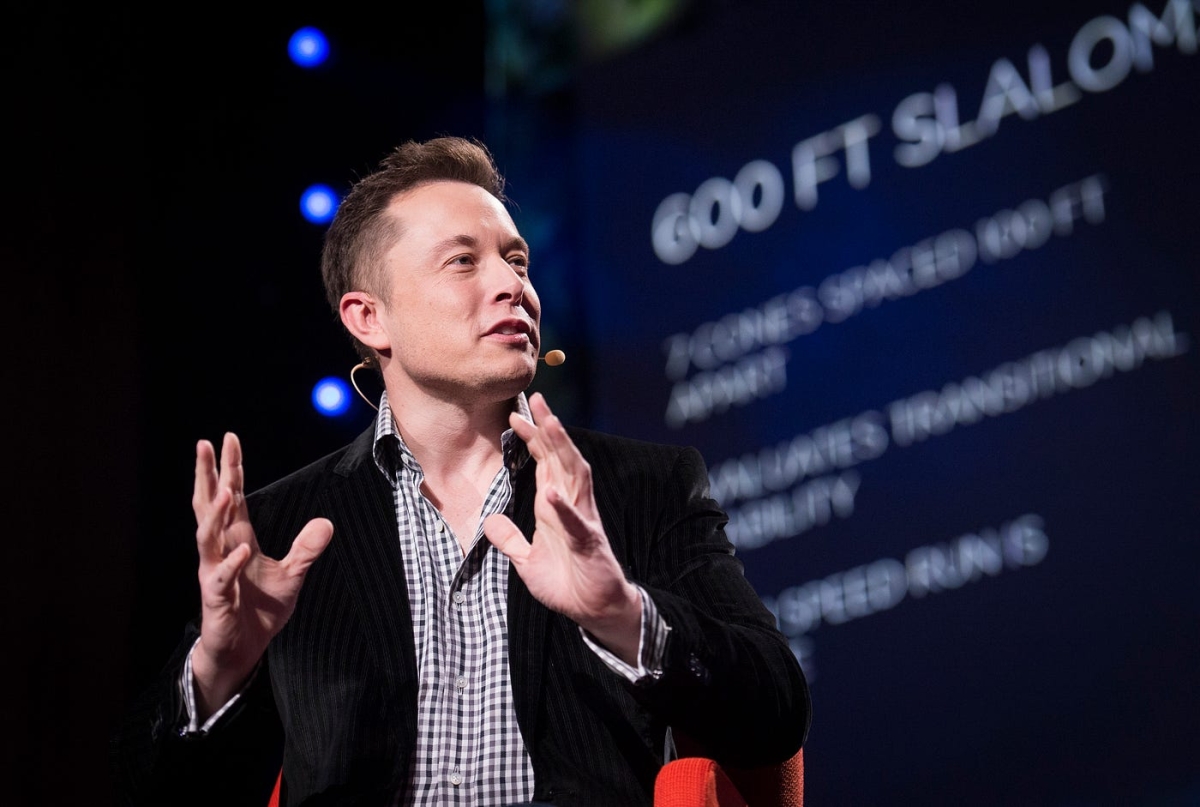
Credit: James Duncan Davidson, Copyright: CC BY-NC 3.0