


From the archives
Barcelona, Spain
Internal Finance: revenues from theatre productions (either from shows commissioned by established theatres or from ticket sales of touring or seasonal performances); festival revenues; workshops.
External Finance: space for meeting, rehearsal and events provided by their cultural incubator (Nau Ivanow), partnership with Teatre Akadèmia commissioning and presenting their shows, Barcelona city council grant and other public funding.
Values: Social, Educational and Cultural
Key takeaways of this inspiring case: Projecte Ingenu demonstrates how a very young and small theatre company can gain non-financial and financial benefits by devising a business model that reflects their creative values and vision. What Projecte Ingenu teaches us is that good managerial planning and professionalisation can help you to better assess your financial needs and achieve long-term sustainable growth.
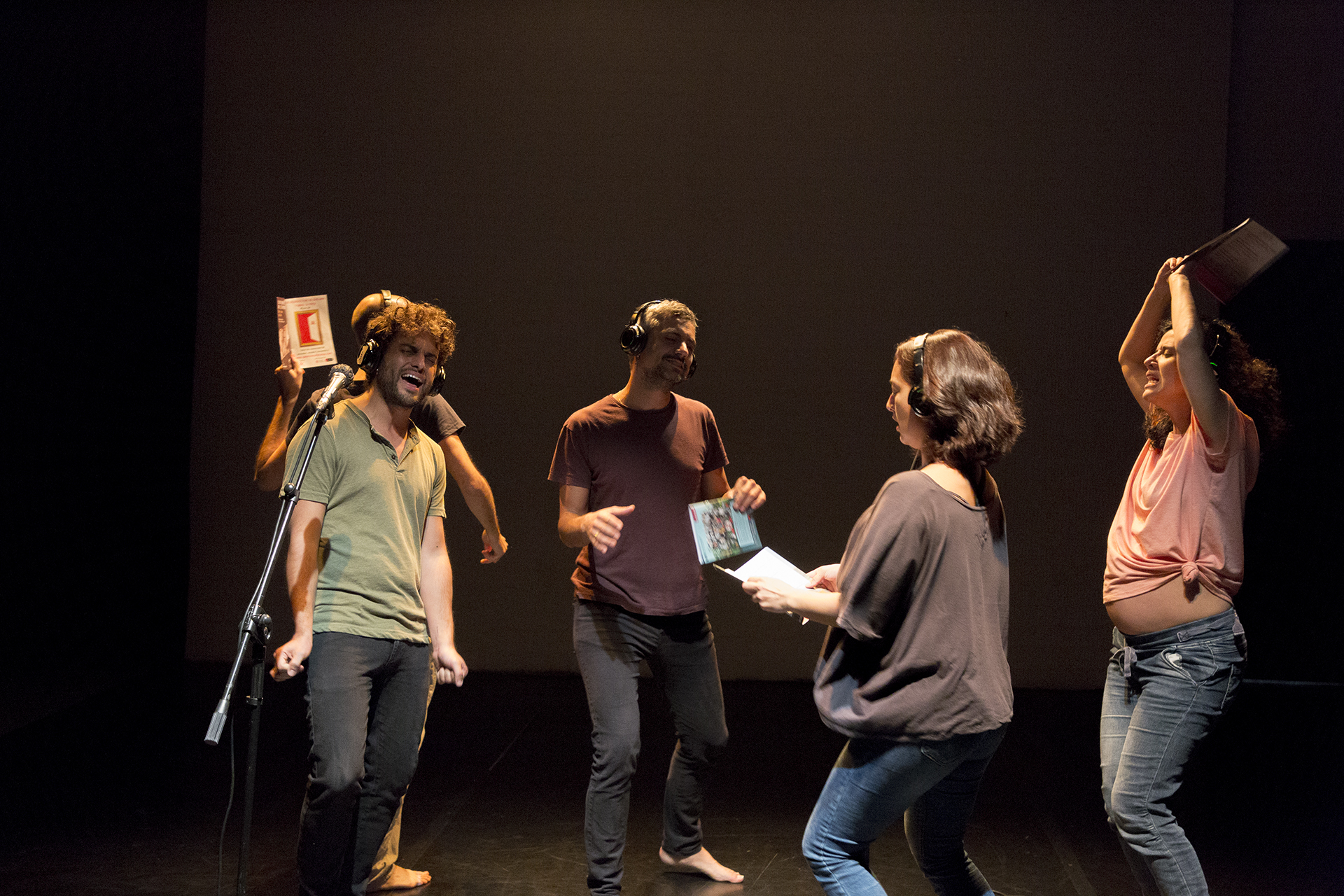
Transforming your values into an organisational process: After the initial years spent working without a clear vision, nor sufficient financial support, the Projecte Ingenu team realised that they needed to define their internal organisational structure before starting to look for finance. While going through this process, Projecte Ingenu’s main desire was to translate their “slow movement theatre” concept into a concrete organisational process. The “slow movement” approach means that the Projecte Ingenu team takes a longer development time for their productions, especially in the rehearsal period. This working method emphasises cooperation and team building, closely involving the cast crew and the audience in the process.
Thinking long-term to define your audience, strategy and organisation: In order to make the “slow movement theatre” financially sustainable, Projecte Ingenu needed a new strategic planning and internal organisational structure for their shows’ agenda. This process first started by rethinking how they engage with their audience and by understanding which shows better fit certain audience groups and venues. This audience development study was also in line with their “slow movement” approach, which aims to find a connection with communities and places.
Thinking about their theatre pieces in a targeted and long-term perspective helped the theatre company to organise tours and shows, Barcelona city council grant and other public funding.
This last aspect was crucial to ensure more efficient time management throughout the rehearsing and touring period. Projecte Ingenu thus decided to split their rehearsing period over different months, so to allow the touring of several shows throughout the year. In this way, there would be a key group of actors touring for a certain show and then rehearsing in a subsequent period. This was made possible by clearly defining responsibilities and by involving new actors coming from other theatre companies in their shows.
This sound organisational model not only gave Projecte Ingenu the opportunity to develop a clearer internal structure and enlarge their network by collaborating with others, but it also enabled them to assess their financing needs better, giving them a head start in their financing journey. Projecte Ingenu’s long-term strategy was indeed beneficial to organise more and better touring and shows, thus increasing the ticket sales’ revenues. Moreover, their internal restructuring increased their credibility as a financially stable and innovative cultural organisation, helping them to attract public funding.
Sources: - Interview with Marc Chornet Artells artstic director of Projecte Ingenu on 09/11/2020
https://creativelenses.eu/wp-content/uploads/2019/05/Creative-Lenses-Models-to-manifestos-Projecte-In.pdf
https://creativelenses.eu/page/projecte-ingenu/
https://vimeo.com/285064844
Key Takeaways