

A Los Angeles jury has found Meta and Google negligent in designing their social media platforms to addict young users, delivering a verdict that legal experts are already calling the most significant moment in the history of litigation against Silicon Valley.
The jury ordered the companies to pay $6 million in total damages — $3 million in compensatory damages and a further $3 million in punitive awards — after nine days of deliberations spanning nearly 44 hours. Meta was held responsible for 70 per cent of the harm, with YouTube bearing the remaining 30 per cent.
The case centred on a woman identified only by her initials, K.G.M., now aged 20. She alleges she started using YouTube at age 6 and Instagram at age 9. Her legal team argued that the platforms encouraged addictive use during her childhood and contributed to depression and suicidal thoughts.
The verdict is the first in the United States to hold technology companies liable at trial specifically for the addictive design of their platforms, rather than for the content posted on them – a crucial legal distinction. Social media companies have historically been shielded by Section 230, a provision of American communications law that exempts internet platforms from liability for content posted by users. By targeting product design — algorithmic recommendations, notification systems and features such as infinite scroll — the plaintiff's lawyers found a route around those protections.
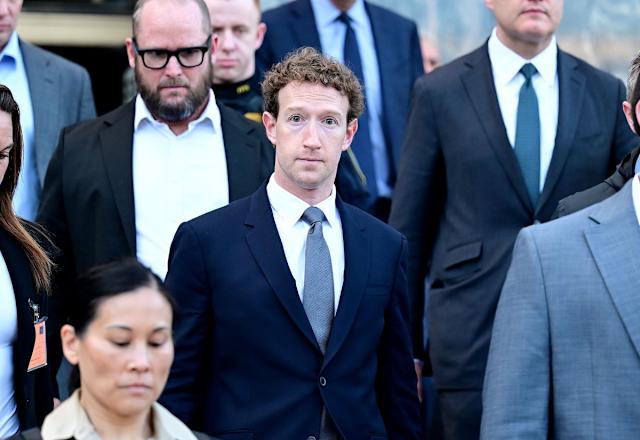
Internal Meta documents shown to the jury included communications in which Mark Zuckerberg and senior executives discussed efforts to attract and retain children on its platforms. One document noted that 11-year-olds were four times more likely to return to Instagram than users of rival apps, despite the platform setting a minimum age of 13.
Both companies said they would appeal. A Meta spokeswoman said the company "respectfully disagrees with the verdict and are evaluating legal options", adding that "teen mental health is profoundly complex and cannot be linked to a single app. " Google's spokesman, José Castañeda, said the verdict "misunderstands YouTube, which is a responsibly built streaming platform, not a social media site".
The ruling arrives one day after a separate jury in New Mexico ordered Meta to pay $375 million in civil penalties after finding the company had misled users about the safety of its platforms and had allegedly enabled child sexual exploitation on Facebook and Instagram.
Legal scholars cautioned against reading the Los Angeles verdict as a decisive turning point. The Associated Press cites Peter Ormerod, an associate professor of law at Villanova University, describing it as "a momentous development" but warned it was "one step in a much longer saga", adding that he did not expect to see large changes to the platforms immediately. He noted that for industry-wide reform comparable to the tobacco settlement of the 1990s, the companies would need to lose further appeals and additional bellwether trials.
The case was specifically chosen as a bellwether — a test case designed to gauge how juries might respond to similar evidence — under California's Judicial Council Coordination Proceedings. Although TikTok and Snap were originally named in the case, both settled with the plaintiff before the trial began.
The implications for the wider litigation landscape are considerable. The companies face thousands of similar claims, and the verdict underscores what analysts describe as a potential multibillion-dollar exposure from lawsuits alleging that Instagram, YouTube and other platforms were intentionally designed to addict young users without regard for their wellbeing.
Further trials are expected throughout the year. A federal multidistrict case involving six school districts is scheduled for the summer in Oakland, California. A third California state-level bellwether trial is set to take place later this year in Los Angeles, with a broader state trial involving Instagram, YouTube, TikTok and Snapchat expected to follow in July.
California's attorney-general, Rob Bonta, said the state "looks forward to holding Meta accountable" in its own separate trial, currently scheduled for August in the San Francisco Bay Area.