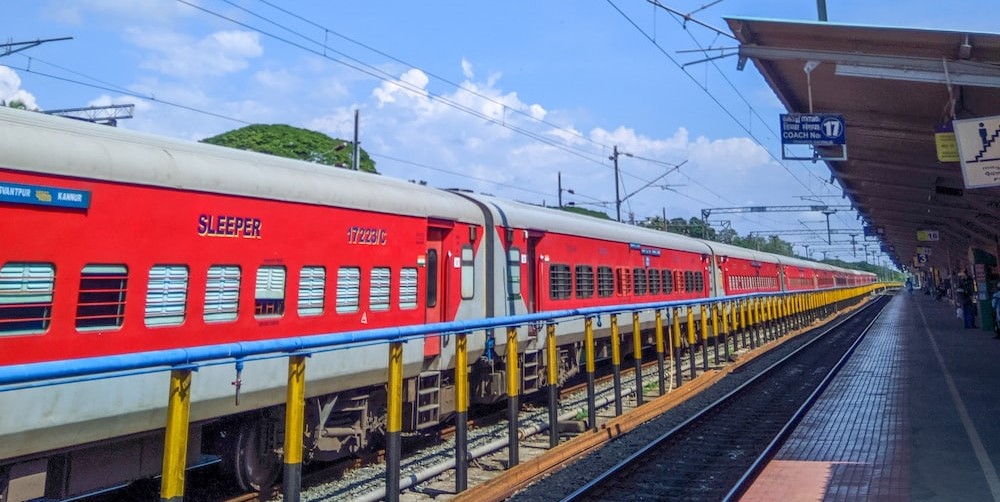



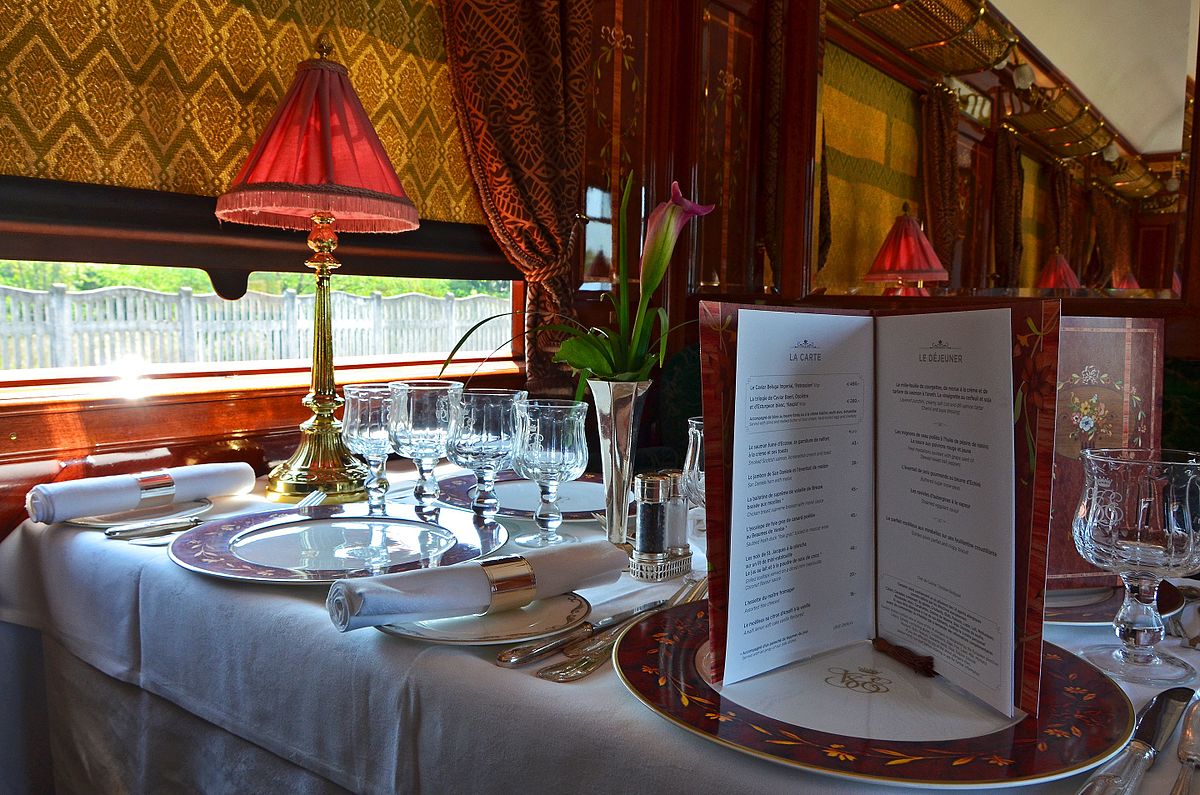
(Wikimedia Foundation: Orient Express sleeper car)
The history of sleeper trains in Europe goes back to the early 20th century when the first luxury sleeping cars were introduced on the continent's rail networks. These early sleepers were the height of luxury, featuring plush beds, private bathrooms, and even dining cars. The first luxury sleeping cars were introduced in the late 19th century, with the Compagnie Internationale des Wagons-Lits (CIWL), a Belgian company, leading the way. The CIWL's Orient Express, which operated between Paris and Istanbul, quickly became a byword for luxury and glamour, attracting wealthy and famous passengers from across the world. However, the economic realities of the post-war period, coupled with the rise of air travel, saw the decline of sleeper services in the latter half of the 20th century.One of the key advantages of sleeper trains is that they allow you to make the most of your time in Europe. By traveling overnight, you can arrive at your destination refreshed and ready to explore, without losing a day to travel. Sleeper trains also offer a unique way to experience Europe, allowing you to see the continent from a different perspective and enjoy rail travel. Sleeper trains are also a more sustainable and responsible form of travel, with a lower carbon footprint than air travel.
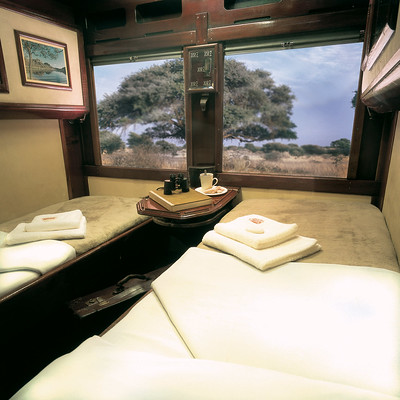
(Courtesy of the Luxury train club: flickr.com)
They're also more convenient in many cases, with many sleeper trains departing from city center stations and arriving in the heart of the destination city. Here are a few of the most popular and well-regarded sleeper trains in Europe today:
The Venice Simplon-Orient-Express: This iconic train, operated by Belmond, is the epitome of luxury and romance, offering passengers a journey through time on board a beautifully restored Art Deco train.
The Caledonian Sleeper: Connecting London and Scotland, the Caledonian Sleeper is a modern and comfortable sleeper train that offers a range of accommodation options, from budget-friendly cabins to premium en-suite cabins.
The Nightjet: Operated by Austrian rail company ÖBB, the Nightjet offers a range of routes throughout Europe, with comfortable and modern sleeping accommodations and a range of services and amenities.
The Thello: Operating between France and Italy, the Thello offers a convenient and comfortable way to travel between these two iconic countries, with a range of sleeping accommodation options and a dining car serving delicious Italian cuisine.
If you're a fan of sleeper trains, you might be interested to know that there are people whose job it is to test them out and make sure they're up to scratch. Night train testers, or 'mystery travelers', are employed by rail operators to test the quality of service and accommodation on sleeper trains! Night train testers are providing detailed feedback on everything from the comfort of the beds to the quality of the food and drink on offer. They travel anonymously, blending in with other passengers, and are tasked with identifying any areas for improvement. While the job of a night train tester might sound glamorous, it can be physically demanding, with testers required to travel on a variety of different routes and in a range of different cabins and compartments. If you think you have what it takes for the job, take a look at this application. Are there going to be more job openings like this one? Experts bet they will, as sustainable traveling, slow tourism, and sleeper trains are here to stay!
Key Takeaways