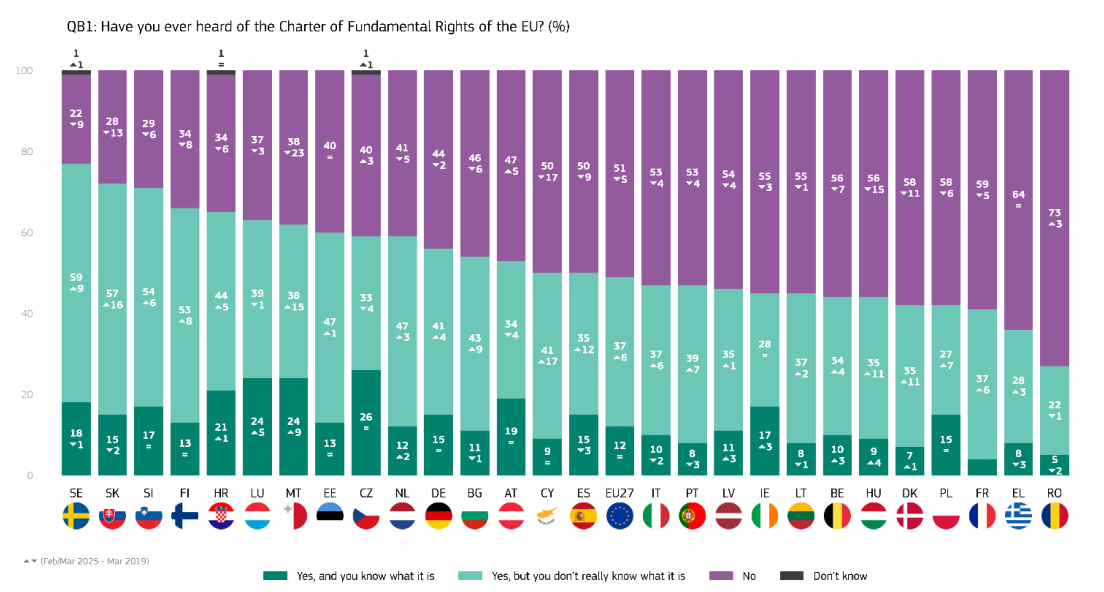



Nearly half (51%) of Eurobarometer respondents said they have not heard of the EU Charter of Fundamental Rights and only 12% really know what it is. On Charter’s 25th anniversary, a major conference on 10-11 December spotlights fundamental rights, among more Commission's initiatives, AgoraEU to be included. Read on.
By Eirini PolydorouThis week, on the occasion of the 25th anniversary of the Charter of Fundamental Rights, a number of initiatives are launched by the European Commission on why fundamental rights matter, as awareness still seems low, despite progress made.
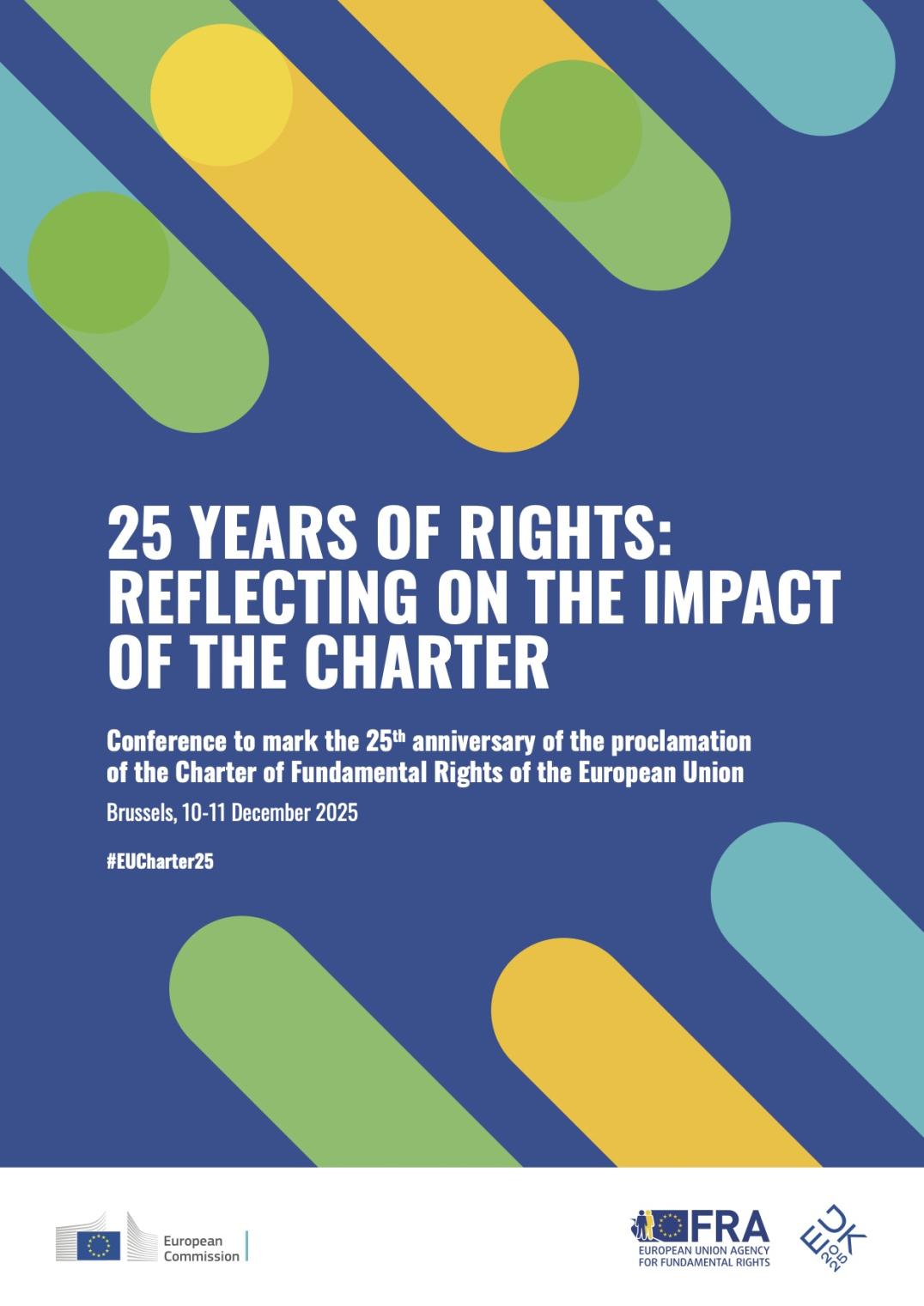
From 10 to 11 December 2025, more than 200 stakeholders will meet in Brussels and online here to participate in the conference “25 Years of Rights: Reflecting on the Impact of the Charter”, organised jointly by the European Commission, the European Union Agency for Fundamental Rights and the Danish Presidency of the Council of the European Union (click on image to enlarge).
From freedom of speech to the right to vote, access to education and health care and protection of personal data, there are 50 fundamental rights and freedoms, covered in the Charter, under the six categories: dignity, freedoms, equality, solidarity, citizens’ rights and justice.
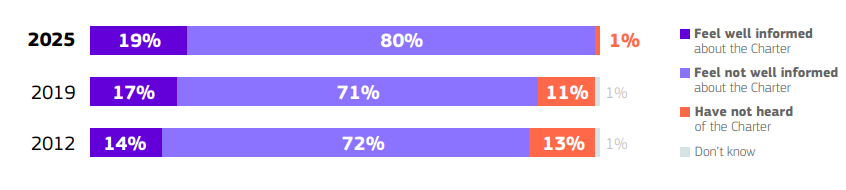
Though awareness is the first step to claim one’s rights, nearly half of the respondents of the Commission’s recent Eurobarometer have never heard about the Charter and 80% do not feel well informed about the Charter. This is most likely why six out of ten respondents want to know more about the Charter (click on image to enlarge).
After all, without freedom of speech and fundamental rights no one may live a life in peace, as said by EU citizens from different countries, featured in the Commission’s series of videos, such as the following.
Despite slight improvement, awareness is still low and varies across countries
The findings of the Commission’s new report show that since 2019 there has been a slight improvement in awareness of the Charter of Fundamental Rights of the EU (by + 6 percentage points).
Nevertheless, general awareness remains relatively low, since nearly half the respondents (49%) have indeed heard of the Charter.
Romania (73%) and Greece (64%) are the countries with the highest shares of no knowledge of the Charter at all (click on image to enlarge).
A share of 12% of the respondents stated they really know what the Charter is. This share appears to mask considerable awareness variations across EU Member States.
For instance, almost eight in ten (77%) respondents in Sweden say they know what the Charter is, compared to less than three in ten (27%) in Romania.
The majority of respondents would like more information about where to turn if their Charter rights are violated (64%), when the Charter applies (62%) and the content of the Charter (63%) (click on image to enlarge).
Get to know more here on how to report a breach of your fundamental rights.
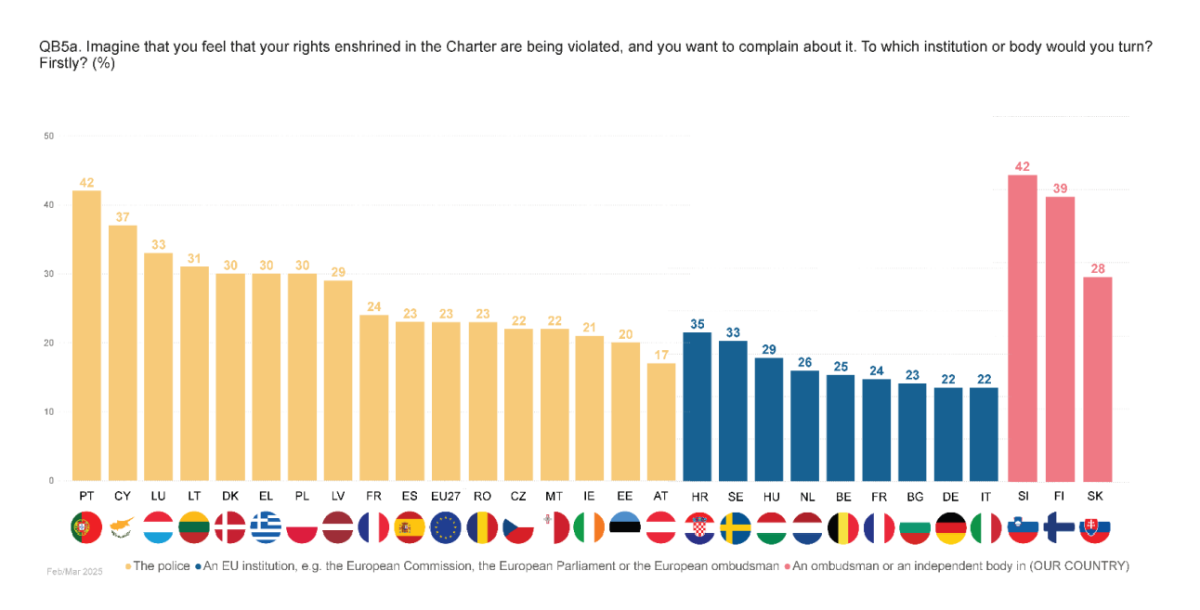
Portugal (42%), Cyprus (37%) and Luxembourg (33%) are the top three of the 16 countries where In 16 countries, respondents are most likely to turn to the police, if the rights are violated.
Respondents would most likely turn to an EU institution in Croatia (35%), Sweden (33%), Hungary (29%) among nine countries.
In Slovenia (42%), Finland (39%) and Slovakia (28%) respondents said they would turn to an ombudsman or an independent body in their country.
Next steps include AgoraEU
In the Communication published on Friday, the Commission reiterates the need to improve awareness of the Charter among public authorities, professionals and the wider public needs, as well as sustained capacity-building, access to information, and monitoring and enforcement.
The Commission suggests that the EU institutions focus on scaling up the provision of information and training so that many more civil servants, civil society stakeholders and justice professionals can benefit from such measures and help increase the overall application of the Charter.
To further strengthen the provision of information and awareness raising on the Charter, "the Commission will continue funding such efforts at national, local and regional levels through the CERV programme and its successor, the proposed AgoraEU programme’s CERV+ strand, once adopted".
Find more here
Image by Ezequiel Octaviano from Pixabay