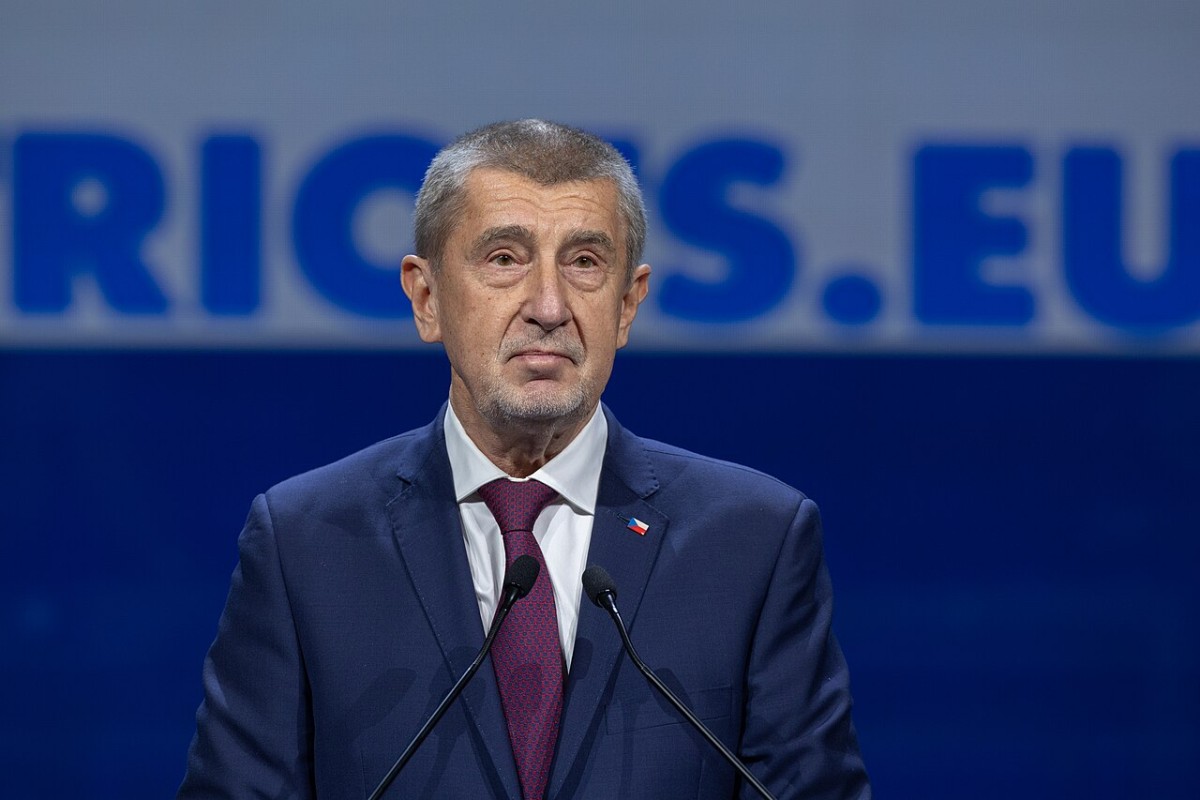


The Czech coalition government led by Prime Minister Andrej Babiš plans to abolish from 2027 licence fees for Czech Television (ČT) and Czech Radio (ČRo). The reforms have prompted strong concerns from media freedom organisations about risks to editorial independence.
By Creatives Unite Newsroom
On January 19, 2026, leaders of the ruling coalition (ANO, SPD, and the Motorists party) confirmed the decision to scrap the licence fee system entirely and replace it with direct allocations from the state budget.
A transitional period is planned for 2026, potentially including fee exemptions or reductions for vulnerable groups such as pensioners, alongside discussions about a possible voluntary citizen contribution fund. Legislation to implement the changes is now being prepared. The reforms also include bringing public broadcasters under the oversight of the Supreme Audit Office (NKÚ).
The decision follows the government's successful confidence vote on January 15, 2026, in which Parliament approved its policy programme that explicitly included abolishing the licence fees.
Earlier, on January 12, 2026, a coalition of Czech and international media freedom organisations had issued an open letter urging Prime Minister Babiš and Culture Minister Oto Klempíř to protect the independence and sustainable funding of ČT and ČRo. The groups warned that replacing the licence fee with direct state budget funding would heighten the risk of political leverage over editorial decisions and that NKÚ audits could be abused for political pressure without robust safeguards.
The letter highlighted Article 5 of the European Media Freedom Act (EMFA), in force since August 2025, which obliges EU member states to guarantee editorial and functional independence for public service media alongside “adequate, sustainable and predictable” funding. The signatories argued that independent public broadcasters are vital for democracy, providing impartial news, countering disinformation, and serving diverse audiences.
The organisations also cautioned that the funding switch could jeopardise a long-overdue fee increase implemented in 2025 — the first in 17 years for ČT and roughly two decades for ČRo — at a time of rising operational costs and growing information threats.
As a warning example, they cited Slovakia’s 2024 public media overhaul, which expanded government influence over governance and appointments — changes criticised as undermining independence and now subject to EMFA requirements for protected appointment and dismissal procedures.
ČT and ČRo remain among the most trusted media outlets in Czechia and are widely regarded as a regional model for public service broadcasting. Critics argue the government has not publicly addressed the media freedom groups’ concerns about institutional autonomy or EU compliance.
The open letter was signed by the Public Media Alliance (PMA), International Press Institute (IPI), Reporters Without Borders (RSF), Free Press Unlimited (FPU), European Centre for Press and Media Freedom (ECPMF), European Federation of Journalists (EFJ), Lobbio, Hlídač státu, the Syndicate of Journalists of the Czech Republic, and OBC Transeuropa.