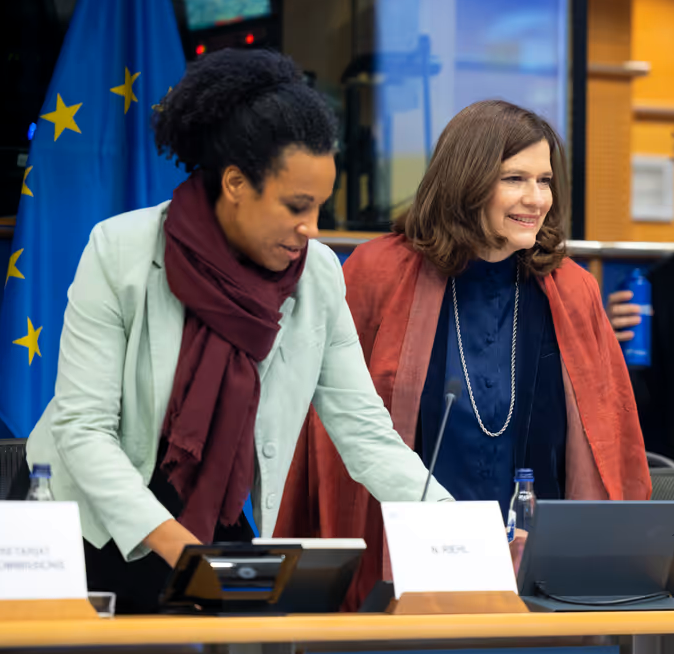



Addressing the CULT committee, Cyprus's Deputy Minister of Culture highlighted the nation's EU presidency agenda, emphasizing culture as a strategic priority for democratic resilience. Cultural Compass finalization, Agora EU programme replacing Creative Europe post-2027, and combating illegal cultural goods trafficking via Nicosia Convention implementation are its top priorities.
By Creatives Unite Newsroom
Culture is "not a backup policy, but part and parcel of the European edifice," Cyprus's Deputy Minister of Culture told the European Parliament's Culture Committee, as she outlined an ambitious agenda that treats cultural policy as a matter of strategic autonomy. Dr. Vasiliki Kassianidou presented the Cyprus Presidency's programme under the motto "an autonomous union open to the world," positioning culture, media freedom, and heritage protection as essential tools for democratic resilience in an era of rising disinformation and geopolitical tension.
Particular reference was made to the Culture Compass for Europe and its accompanying Joint Declaration. "It's the first time that we have a cohesive policy which puts culture at the core of the drafting of European policy, strengthening cohesion and the long-term direction of European action," she told MEPs. The Cyprus Presidency is committed to promoting the relevant consultations with a view to the Council adopting the "Joint Declaration Europe for Culture, Culture for Europe" during its term of office.
Regarding the new AgoraEU program, the deputy minister stressed that culture, the media, and civil society are key infrastructures of European democracy. The program, which forms part of the new Multiannual Financial Framework (2028–2034), aims to support artists and the cultural and creative sectors, as well as the independent media and democratic citizen participation. The Cyprus Presidency is working towards reaching an agreement in the Council in May.
Turning to the EU Work Plan for Culture post-2027, the Deputy Minister noted that preparing the new strategic framework to respond to the contemporary challenges and needs of the cultural and creative sectors is a key priority of the Cyprus Presidency. "After 2027, Agora EU aims at ensuring that culture leads to a creative Europe so that citizens can have their rights defended through supporting the media and strengthening democratic cohesion," Kassianidou explained. “It's important for us to ensure that all the areas of culture, both the creative industries and our cultural heritage, media, and the society of citizens, are part of this mission”, she added. An exchange of views between culture ministers is scheduled for the May council meeting.
European Democracy Shield
Regarding the European Democracy Shield, the Deputy Minister emphasised the importance of media literacy as a cultural and educational policy for strengthening the resilience of the information space, combatting disinformation, and safeguarding freedom of expression and democracy.
With artificial intelligence and social media upending traditional information ecosystems, the presidency is positioning media literacy as a "long-term investment" rather than an ad hoc response.
"People seem to believe that artificial intelligence is a panacea... they don't really realize that it's not always so well drafted, the answer," Kassianidou said. "Disinformation is rampant, and we need to make sure that the general public understands and has the ability to judge," she said. "In a context of increasing international tension, fake news, and the need for independent information, it is not a luxury. It's a part of the resilience of our Union," she added.
Protection of Heritage
The Deputy Minister also mentioned the protection of cultural heritage, referencing the challenges faced by cultural heritage in the occupied areas of Cyprus and the issue of the illicit trafficking of cultural goods. "The illegal movement of cultural goods, which unfortunately flourishes in the time of war and conflict, is a serious threat not just for our cultural heritage but also for the rule of law, cultural cohesion, and international security," Kassianidou warned. She specifically highlighted the Nicosia Convention, the Council of Europe's treaty criminalising illicit trafficking and excavations, noting that it requires enhanced European and international cooperation.
Last but not least, the Cyprus Presidency welcomes the European Commission's work on preparing the European Capitals of Culture's new legal basis after 2033 and is ready to initiate relevant discussions in the Council.