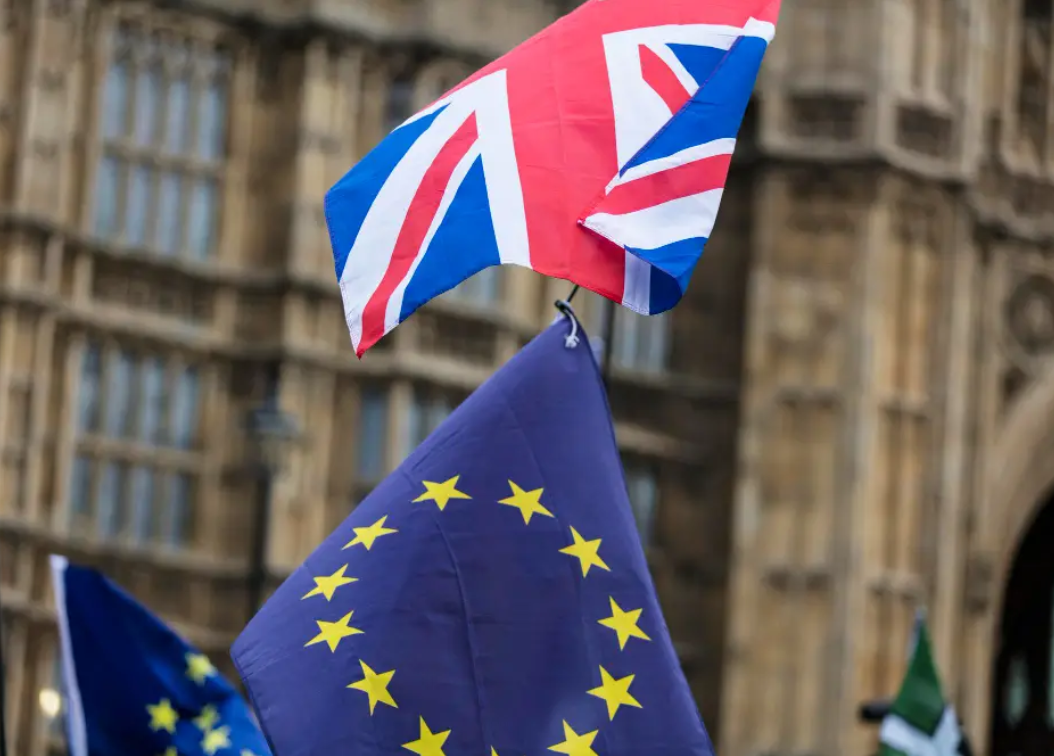



The European Union took another step towards deepening its post-Brexit relationship with Britain on Monday, as the Council of the EU formally authorised the European Commission to open negotiations with the United Kingdom on two new agreements — one covering Britain's participation in the EU's internal electricity market, and another on an appropriate British financial contribution to EU cohesion policy. The Council also agreed to allow UK participation in the Erasmus+ programme for the year 2027.
The decisions, described by Brussels as delivering on commitments made at the first EU-UK summit in May last year, represent the most concrete institutional advance in the so-called "reset" of relations between London and the bloc since Britain's departure from the single market.
The proposed electricity agreement would permit Britain's participation in both the wholesale and retail segments of the EU's internal energy market and envisages dynamic alignment of UK laws to EU rules, establishing a level playing field between the two parties. Such an arrangement is expected to improve the efficiency of cross-border electricity trading and facilitate investment in energy infrastructure, including renewable generation needed to meet both sides' net-zero commitments. The United Kingdom currently imports around 33 TWh of electricity annually, representing approximately 12 per cent of Britain's consumption.
On Erasmus+, the government has said the scheme — which covers not only student exchanges but also university staff, youth workers, apprentices on overseas placements and young volunteers — could benefit as many as 100,000 people in the UK. Britain's participation carries a price tag of £570 million per year, a figure the government has said includes a negotiated 30 per cent discount.
Once the electricity and cohesion negotiations are concluded, any resulting agreements will require endorsement by the Council before entering into force. For Erasmus+, the EU-UK Specialised Committee on Union Programmes is expected to adopt the relevant joint decision shortly, with a view to enabling UK participation from 1 January 2027.
The moves build on a Common Understanding reached at the May 2025 summit, in which both sides committed to exploring the parameters of deeper cooperation across energy, education and trade. Analysts at the Centre for European Reform have cautioned that, while early achievements are tangible, there has been a sense on both sides of lost momentum since the summit, with some areas — including the proposed youth experience scheme — still mired in discussions.
Cyprus, which holds the rotating EU presidency, has made the strengthening of UK-EU ties a stated priority. Cyprus's Deputy Minister for European Affairs, Marilena Raouna, said the decisions represented "tangible progress" in delivering on the outcomes of last year's summit.